
Reptile enrichment ideas boost health, stimulate behavior, and reduce stress in captive reptiles.
I have spent years keeping and studying reptiles, and I know what works and what does not. This guide on reptile enrichment ideas combines hands-on experience, practical tips, and clear science-backed logic. Read on for safe, easy, and creative ways to enrich your reptile’s life, from simple DIY projects to long-term enrichment plans that improve behavior and health.
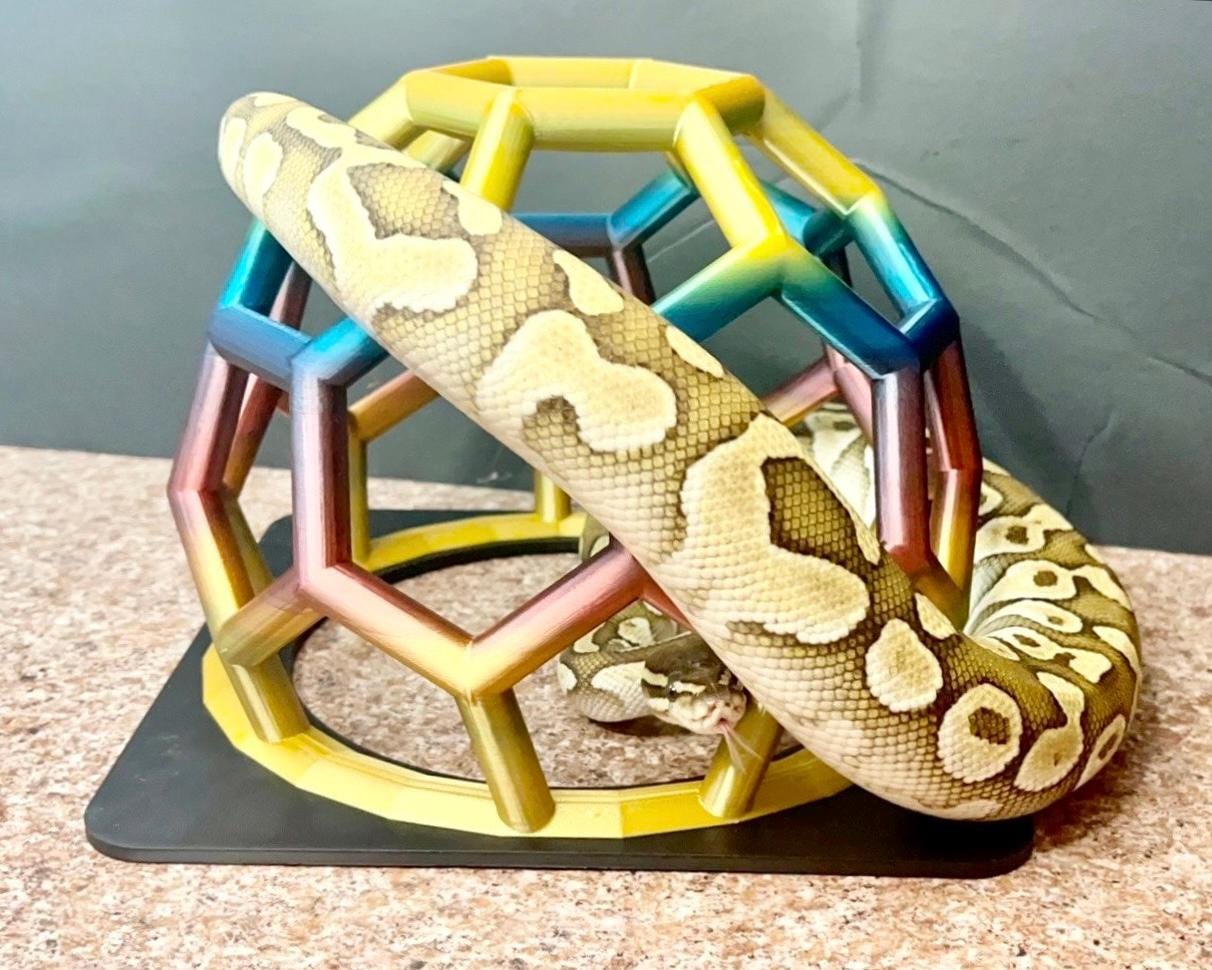
Why enrichment matters for reptiles
Reptile enrichment ideas help create a richer world inside an enclosure. Enrichment reduces boredom and lowers stress. It also encourages natural behaviors like hunting, climbing, digging, and thermoregulation.
Good enrichment leads to better appetite, clearer shedding, and more natural activity cycles. Many keepers and vets note healthier reptiles when enclosures match species needs. If you want a calm, active pet, enrichment is not optional — it is essential.

Core types of reptile enrichment
Reptile enrichment ideas fall into clear categories. Use a mix to cover physical, mental, and sensory needs.
- Environmental enrichment: Add structure, hides, and thermal options.
- Feeding and foraging enrichment: Make meals require effort or problem solving.
- Sensory enrichment: Add safe scents, sights, and textures for stimulation.
- Cognitive enrichment: Use puzzles, training, and novel objects.
- Social and handling enrichment: Provide safe interaction and supervised play.
- Exercise enrichment: Offer climbing, swimming, and ground space for movement.
Mixing these types keeps life varied. Rotation is key. Reptiles learn and react to change slowly.
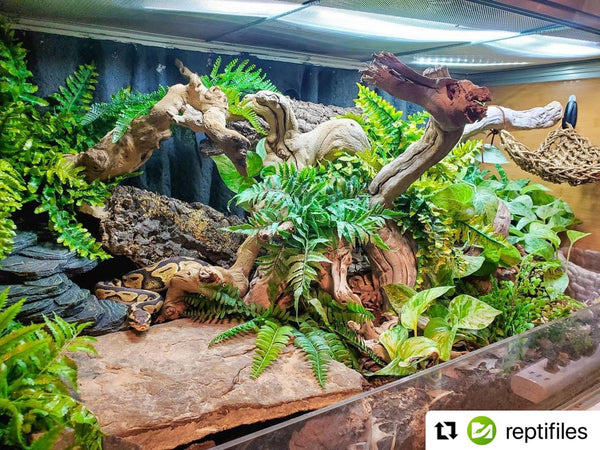
Habitat enrichment ideas
Start with habitat changes that match species needs. Reptile enrichment ideas here focus on space, temperature, and safe items.
- Use layered hides at warm and cool ends to improve thermoregulation. Place a cool hide near a moist box for humidity.
- Add branches and rocks for climbing and basking for arboreal and semi-arboreal species. Anchor items firmly to avoid falls.
- Offer varied substrate options like coconut fiber, sand mixes, or leaf litter zones for digging and burrowing. Monitor humidity and hygiene.
- Create a shallow water feature for soaking or swimming. Turtles and some lizards love water access. Change water daily to prevent bacteria.
- Use live or artificial plants to create cover and visual barriers. This reduces stress and mimics wild habitat.
A personal tip: I added a driftwood arch and a deep hide for my bearded dragon. The dragon started basking more and showed clearer, calmer behavior within a week. Small habitat shifts can yield fast results.

Feeding and foraging enrichment
Feeding is a prime chance to challenge a reptile’s mind and body. Use feeding-based reptile enrichment ideas to mimic hunting and foraging.
- Scatter feed small prey or food items across a safe substrate to encourage searching.
- Use feeding puzzles like sealed PVC tubes, cardboard rolls, or purpose-made feeder balls for insects or treats.
- Offer live prey under supervision for species that benefit from hunting. Limit to safe, vetted feeder species.
- Rotate presentation: hand-feeding with tongs, hide food under leaves, or use a shallow bowl for soaked pellets.
- Time meals to natural active periods and vary meal size to mimic wild patterns.
Safety first: avoid toxic adhesives or small bits that can be ingested. Clean feeding devices regularly. Monitor weight to ensure enrichment does not reduce overall intake.

Sensory and cognitive enrichment
Senses and cognition matter. Reptile enrichment ideas that stimulate smell, sight, and problem solving help maintain mental health.
- Introduce safe scent trails using non-toxic herbs or a tiny amount of prey scent on cotton. Observe reaction and stop if stressed.
- Add visual stimuli like moving shadows, distant safe animal silhouettes, or rotation of non-threatening objects.
- Train with positive reinforcement: target stick training or clicker work can teach simple cues and reduce stress during handling.
- Offer problem-solving tasks like unlocking a simple lid or moving a block to reach food. Start easy and raise difficulty slowly.
I taught a crested gecko to touch a small stick for food by rewarding tiny steps. It improved trust and gave the gecko a clear task. Progress slowly and watch body language for stress signs.

Social, handling, and exercise enrichment
Not all reptiles are social, but many benefit from structured interaction and exercise. Tailor reptile enrichment ideas to species temperament.
- Supervised floor time outside the enclosure in a safe, escape-proof area gives exercise and new textures.
- Use a harness and short walks for tolerant species like bearded dragons. Keep walks calm and shaded.
- Offer supervised swimming or soak sessions for species that enjoy water. Monitor temperature and exhaustion.
- Rotate people and handling routines to prevent a single handler bias and encourage trust with multiple caregivers.
Always respect species limits. Snakes often do better with less handling around feeding time. Watch for stress signals like hissing, rapid escape, or a closed mouth.

Safety, health monitoring, and limits
Enrichment must be safe. Reptile enrichment ideas should never place the animal at risk.
- Check all items for sharp edges, small parts, or toxic materials before use. Use reptile-safe glue and untreated wood.
- Quarantine new decor and live plants to avoid pests and pathogens. Clean and disinfect reusable enrichment regularly.
- Watch for stress signs: lack of appetite, hiding more, aggression, or abnormal shedding. Scale back if these appear.
- Keep enrichment age- and species-appropriate. Hatchlings often need simpler tasks than adults.
- Record weight, stool quality, and behavior to measure enrichment success and detect issues early.
When in doubt, consult a reptile-savvy vet. A small risk assessment goes a long way toward safe enrichment.

How to implement an enrichment plan
A simple plan keeps changes safe and effective. Follow these steps to add reptile enrichment ideas without overwhelm.
- Assess species needs and natural behaviors.
- Choose one new enrichment item per week to avoid stress.
- Rotate items every 7 to 14 days to keep novelty.
- Track responses: food intake, activity, shedding, and body weight.
- Adjust difficulty and frequency based on reactions and health data.
Sample weekly schedule: Week 1 add a hide and scatter feeding. Week 2 add a climbing branch and a simple puzzle. Week 3 add a scent trail and supervised handling. Repeat and vary items. Note changes and refine your plan.
Frequently Asked Questions of reptile enrichment ideas
How often should I change enrichment items in my reptile’s enclosure?
Change or rotate enrichment items every 7 to 14 days. This keeps items novel without causing constant stress from sudden change.
Can I use live plants for enrichment?
Yes, but only if plants are non-toxic and quarantined. Live plants add cover and humidity but must be safe and pest-free.
Are DIY enrichment items safe for reptiles?
Many DIY items are safe if made from non-toxic materials and cleaned often. Avoid glues, paints, or finishes that can flake or contain harmful chemicals.
Will enrichment make my reptile more stressed?
Enrichment can cause stress if it is too new or aggressive. Introduce items slowly and stop if you see signs like hiding, refusal to eat, or frantic behavior.
What enrichment works best for snakes?
Snakes often prefer hides, scent trails, burrowing substrate, and varied thermal gradients. Feeding puzzles and secure climbing branches help some species.
Can I train my reptile with rewards?
Yes. Many reptiles respond to simple target or food-based training. Use tiny treats and short sessions to build trust and interest.
Conclusion
Reptile enrichment ideas improve mental health, encourage natural behavior, and make daily care more rewarding for both you and your pet. Start small, stay safe, and use observation as your guide. Try one new enrichment idea this week, track responses, and build a plan that fits your reptile’s needs. Share your successes or questions in the comments, and consider subscribing to get more practical tips and project ideas.
