
Regular cleaning prevents disease and keeps reptiles healthy, calm, and thriving.
I’ve cared for snakes, bearded dragons, and tortoises for years. I know how reptile enclosure cleaning directly affects health, behavior, and longevity. This guide explains why cleaning matters, how to build a routine, what products to use, and real-life tips I learned the hard way. Read on to get clear, practical steps you can use today to keep your terrarium safe, odor-free, and comfortable for your reptile.

Why proper reptile enclosure cleaning matters
Good reptile enclosure cleaning protects your pet from bacteria, parasites, and fungal growth. Clean tanks also cut down on smell and reduce stress for animals that rely on scent cues.
Health reasons
- Prevents bacterial infections that come from feces, urine, and old food.
- Stops mold and fungus that thrive in damp microclimates.
- Lowers risk of parasites spreading between animals or back to humans.
Welfare and behavior
- A clean enclosure supports natural activity and feeding.
- Reptiles show fewer stress signs when their hides and basking areas are clean.
Experience insight
- I once ignored a slow ammonia smell and later found my corn snake had early respiratory irritation. After improving my reptile enclosure cleaning routine, the snake recovered and fed better within days.

How often to clean a reptile enclosure
A simple schedule keeps problems small. Frequency depends on species, substrate, and the number of animals.
Basic schedule
- Daily: Spot clean feces, shed stuck to decorations, and spilled water.
- Weekly: Clean water bowls, replace some substrate in high-traffic spots, and wipe thermometers and hides.
- Monthly: Deep clean the whole enclosure, replace most substrate, and disinfect surfaces.
Adjustments by species
- Snakes: Spot clean daily; deep clean every 4–6 weeks for single adults on paper or reusable bedding.
- Bearded dragons and tortoises: Clean more often due to plant material and fecal bulk; partial substrate change weekly.
- Tropical species: Moist substrates may need replacing often to avoid bacterial growth.
Practical tip
- Keep a cleaning log. I track spot cleans and deep cleans. Logs show trends and prevent missed duties.

Step-by-step reptile enclosure cleaning guide
Prepare and protect
- Move the animal to a secure, comfortable temporary holding container with privacy and proper heat.
- Put on disposable gloves. Use eye protection if you will spray cleaners.
- Gather tools: soft scrub brushes, microfiber cloths, bucket, scoop, clean substrate, and your chosen disinfectant.
Remove and discard
- Remove substrate, decor, hides, and any food debris into a trash bag.
- Inspect each item. Toss anything porous that is stained or holds odor beyond cleaning.
Clean surfaces
- Rinse the enclosure with warm water to remove loose dirt.
- Scrub with a mild detergent or reptile-safe cleaner. Rinse thoroughly to remove all soap residue.
- Apply disinfectant per label. Allow full contact time for effectiveness. Rinse again if the product requires it.
Sanitize decor and tools
- Soak washable decor in a disinfectant solution or boil if the material allows and is safe.
- Scrub and rinse rocks, ceramic hides, and plastic items. Air-dry completely before returning to the enclosure.
Reassemble and return
- Replace clean substrate and set up hides and décor in their ideal positions.
- Re-check temperatures and humidity before returning the animal.
- Monitor the reptile closely for an hour for stress or escape attempts.
PAA-style common questions
Can I use household bleach on reptile enclosures?
Used correctly, a diluted bleach solution (1 part bleach to 10 parts water) is effective for nonporous surfaces. Rinse well and air-dry completely before returning your reptile.
How long should disinfectant sit on surfaces?
Follow the product label, but most reptile-safe disinfectants require 5–10 minutes of wet contact to work. Some veterinary disinfectants need longer, so read instructions.
Do I need to remove all substrate for every clean?
No. For routine spot cleaning you can remove only soiled areas. For deep cleans, remove and replace most substrate to reduce biofilms and hidden pathogens.

Choosing cleaning products and disinfectants
Choose products that kill pathogens but remain safe when residue is removed. Avoid products with phenols and some essential oils that harm reptiles.
Safe options
- Diluted household bleach for hard, nonporous surfaces (1:10 ratio). Rinse thoroughly.
- Quaternary ammonium compounds labeled as safe for animal areas.
- Veterinary disinfectants rated for reptile use with clear contact times.
- Enzymatic cleaners to break down organic waste before disinfection.
Products to avoid or use with caution
- Phenol-based cleaners often found in some disinfectants and wood products.
- Undiluted alcohol on heat mats or many plastics can damage them and may not be safe around animals.
- Essential oil cleaners as many oils can be toxic to reptiles.
- Always follow label instructions for dilution and contact time.
- Test any cleaner on a small area of decor to check for damage.
- Ventilate the room well after using strong cleaners. I learned to leave an open window and a fan running for 30 minutes after disinfecting my turtle tank.
Substrate and decor care
Substrate choice changes cleaning needs. Understand what you use and how often to change it.
Substrate types and care
- Paper towels: Cheap, disposable, easy to deep clean; change frequently.
- Reptile carpet: Wash and disinfect weekly; replace when worn or stained.
- Soil/mulch/eco-earth: Replace more often; beware of mold in damp areas.
- Sand and gravel: Sift often; replace periodically to remove hidden waste and bacteria.
Decor maintenance
- Ceramic and plastic hides: Scrub and disinfect monthly.
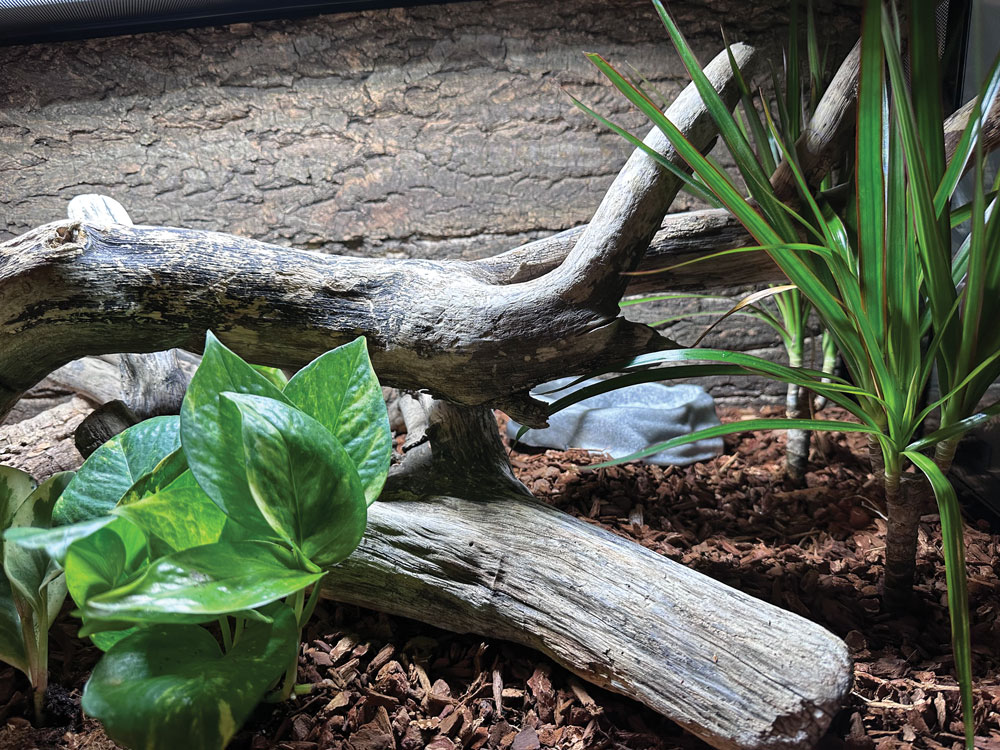
- Branches and natural wood: Hardwoods can be scrubbed and baked if dry; soft or rotting wood should be replaced.
- Live plants: Trim dead leaves and treat with reptile-safe rinses if they host pests.
Personal tip
- I switched from loose soil to cleaned coconut fiber for my crested gecko. The gecko’s enclosure smelled less, and cleaning became faster.
Common mistakes and how to avoid them
Mistake: Overcleaning with harsh chemicals
- Why it’s bad: Residue can irritate skin and respiratory systems.
- Fix: Use minimal effective concentrations and rinse thoroughly.
Mistake: Using the same tools between tanks
- Why it’s bad: Cross-contamination spreads parasites and bacteria.
- Fix: Have dedicated tools per enclosure or sterilize between uses.
Mistake: Not adjusting cleaning for humidity
- Why it’s bad: Damp areas breed fungus and biofilm.
- Fix: Check humidity sensors and dry wet spots fast.
Mistake: Cleaning while the reptile is stressed
- Why it’s bad: Moving or bathing reptiles during intense cleanings ups stress.
- Fix: Use calm handling, and only keep the animal out as long as necessary.

Monitoring and long-term maintenance
A good routine includes observation and records. Small changes in behavior or appetite often signal enclosure issues.
What to track
- Dates of spot cleans, partial cleans, and deep cleans.
- Substrate changes and product names used.
- Any health changes in the reptile after cleaning.
When to call a vet
- If you notice ongoing respiratory signs, loss of appetite, or unusual skin lesions after a change in cleaning routine.
- If you suspect parasite spread or a severe infection.
Long-term benefits
- Regular reptile enclosure cleaning lengthens the life of equipment and improves animal welfare. It also builds confidence in your husbandry skills.
Frequently Asked Questions of reptile enclosure cleaning
How do I safely move my reptile during a deep clean?
Place your reptile in a secure, ventilated carrier with a soft towel and a heat pack if needed. Keep the carrier in a quiet, stable area away from direct drafts.
Can I use vinegar to clean my reptile enclosure?
Vinegar is a mild cleaner and can remove mineral deposits. It is not a strong disinfectant, so follow up with an appropriate disinfectant if needed.
What is the best way to clean glass terrariums?
Use warm water and a reptile-safe detergent to remove grime. Disinfect with a safe product, rinse well, and dry to restore clear viewing.
How do I clean a heat mat or thermostat?
Disconnect and follow the manufacturer’s cleaning instructions. Wipe with a damp cloth and mild detergent; avoid soaking electrical components and never submerge.
Is it safe to rescue and reuse rocks and driftwood?
Yes, if you fully clean and disinfect them. Bake nonporous rocks at a safe temperature or soak and scrub wood, but replace anything with hidden rot or persistent odor.
Conclusion
Reptile enclosure cleaning is simple when you have a clear plan. Use a routine of daily spot cleaning, weekly maintenance, and monthly deep cleans. Choose safe cleaners, replace problematic substrates, and keep a log to track health and maintenance. Start small: schedule one consistent change this week and watch for improved scent, behavior, and health in your reptile. Share your experiences, subscribe for more care guides, or leave a comment about your cleaning routine.
