
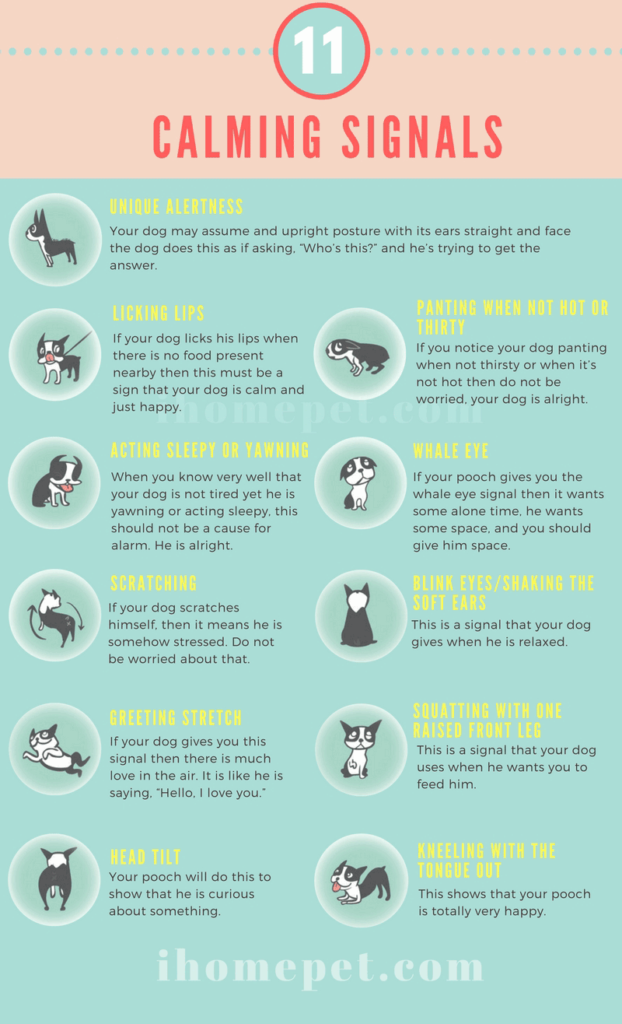
Dogs communicate all day without using words. They use their ears, eyes, tails, posture, and small movements to share how they feel. Understanding dog calming signals helps owners notice emotions before a dog becomes overwhelmed.
In my experience studying dog behavior, many problems between people and dogs happen because humans miss early warning signs. A dog that turns its head away or licks its lips may not be ignoring you. It may be asking for a little comfort or distance.
For American dog owners, daily life can bring many stressful moments for pets. Busy parks, visitors, grooming visits, vet appointments, and loud neighborhoods can all create pressure. Learning dog calming signals gives owners a simple way to support their dogs.

What Are Dog Calming Signals?
Dog calming signals are natural behaviors dogs use to communicate their emotional state. Norwegian dog trainer Turid Rugaas introduced this term to describe many subtle actions dogs use to avoid conflict and calm themselves or others.
These signals are not always signs of fear. A dog may use them when meeting another dog, facing a new person, learning a new command, or dealing with an unfamiliar situation.
The goal of these signals is communication. Dogs often try peaceful solutions before they show stronger stress behaviors such as barking, growling, or trying to escape.
- ✦ Communication tool
Dogs use body language instead of words to express feelings and manage social situations.
- ✦ Stress prevention
Early signals can help owners respond before a dog becomes too uncomfortable.
- ✦ Relationship building
Recognizing these signs helps create trust between dogs and humans.
Common Dog Calming Signals Every Owner Should Know
Dogs show calming signals in many ways. Some are easy to notice, while others are very small. Owners need to watch the whole body instead of focusing on only one part.
A relaxed dog may still show a calming signal during normal interactions. The meaning depends on the situation, the dog’s personality, and other body language clues.
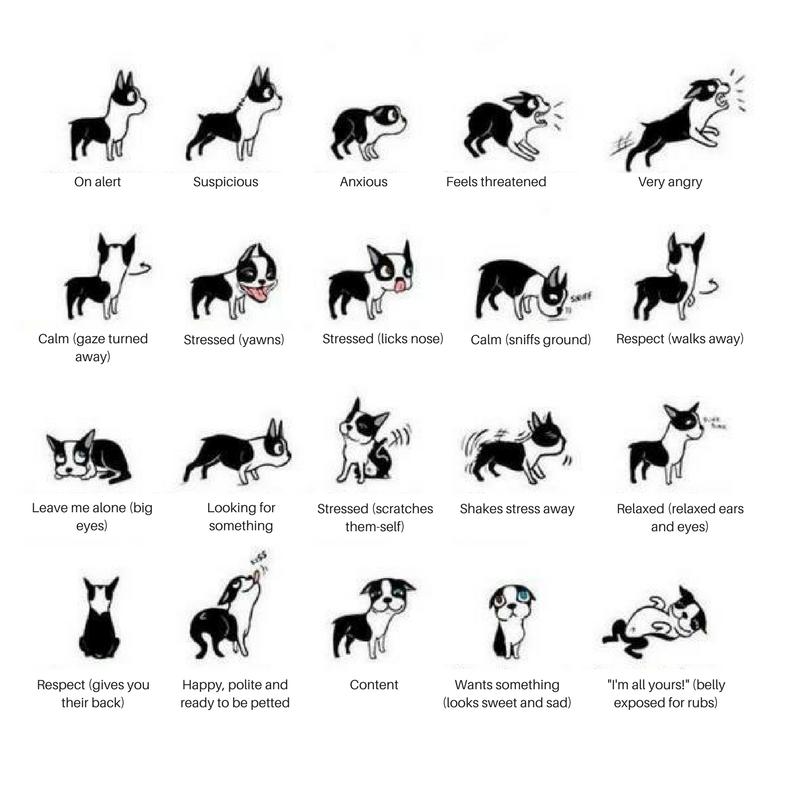
- ✦ Yawning
A dog may yawn when feeling pressure, confusion, or mild stress. It can also happen when a dog is tired, so context matters.
- ✦ Lip licking
Quick tongue movements can show uncertainty, nervousness, or a request for more space.
- ✦ Turning away
A dog may turn its head or body away to avoid tension and show peaceful intentions.
- ✦ Sniffing the ground
Dogs often sniff when they need a break from a stressful interaction or situation.
Why Small Signals Matter
Small behaviors often appear before stronger reactions. A dog that looks away, blinks slowly, or moves away may already be telling you something important.
When owners respect these early messages, dogs often feel safer and learn that humans understand their needs.
- ✦ Early awareness
Small signals give owners a chance to change the situation before stress increases.
How Dogs Use Body Language to Communicate Stress
A dog’s body language tells a complete story. The position of the ears, tail, mouth, and body can reveal comfort levels.
Many owners focus only on barking or growling, but dogs often communicate stress long before those behaviors appear. Learning dog calming signals can prevent misunderstandings.

- ✦ Ear position
Pinned-back or constantly moving ears may show uncertainty or concern.
- ✦ Body posture
A stiff body, lowered posture, or sudden stillness can show emotional pressure.
- ✦ Eye movement
Avoiding eye contact or showing the whites of the eyes may indicate discomfort.
How to Respond When You Notice Dog Calming Signals
The best response is usually calm and respectful. Avoid forcing interaction when your dog shows signs of discomfort.
Owners should create choices for their dogs. Giving a dog space, slowing down training, or changing the environment can reduce stress.
- ✦ Pause the interaction
Stop what you are doing and allow your dog time to relax.
- ✦ Reduce pressure
Move away, soften your voice, and avoid sudden movements.
- ✦ Reward calm behavior
Positive reinforcement helps dogs feel confident in future situations.
Using Calming Signals During Training
Training should build confidence, not fear. If a dog shows repeated calming signals during training, the lesson may be too difficult or stressful.
Professional trainers often adjust the environment, reward small improvements, and allow dogs to learn at a comfortable pace.
- ✦ Make training easier
Reduce difficulty when your dog shows signs of confusion or stress.
Dog Calming Signals vs Signs of Anxiety
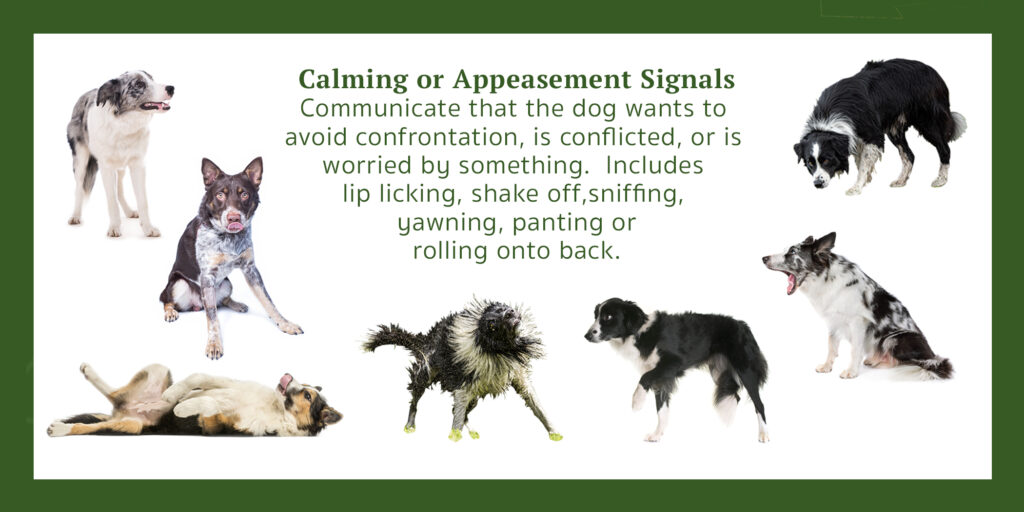
Dog calming signals and anxiety signs are connected, but they are not exactly the same. A calming signal is a communication behavior, while anxiety may involve stronger emotional distress.
A dog may use a calming signal to handle mild pressure. However, repeated signs such as hiding, shaking, refusing food, or destructive behavior may need professional support.

- ✦ Mild stress signals
Yawning, blinking, sniffing, and looking away are common mild signals.
- ✦ Stronger stress signs
Pacing, escape attempts, freezing, or intense fear require closer attention.
- ✦ Professional help
A qualified veterinarian or behavior professional can help with ongoing anxiety issues.
