
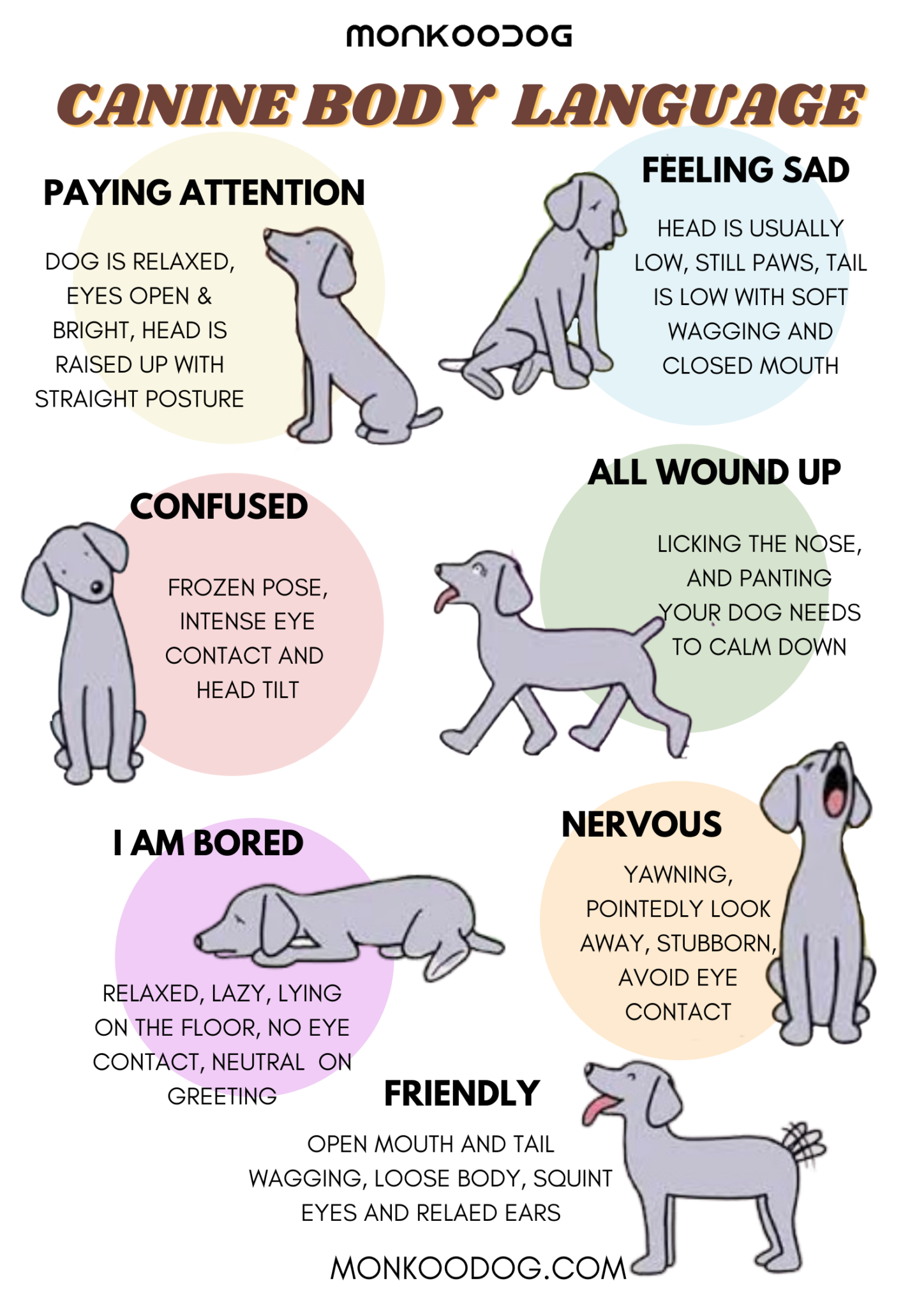
Dogs may not speak human words, but they are always communicating. Every tail movement, ear position, bark, and body posture can carry a message. Understanding dog communication signals helps owners respond better and create a stronger bond with their pets.
After years of observing dogs in homes, training settings, and everyday situations, one lesson stands out: context matters. A wagging tail does not always mean happiness, and a quiet dog is not always relaxed. Owners must look at the full picture.
What Are Dog Communication Signals?
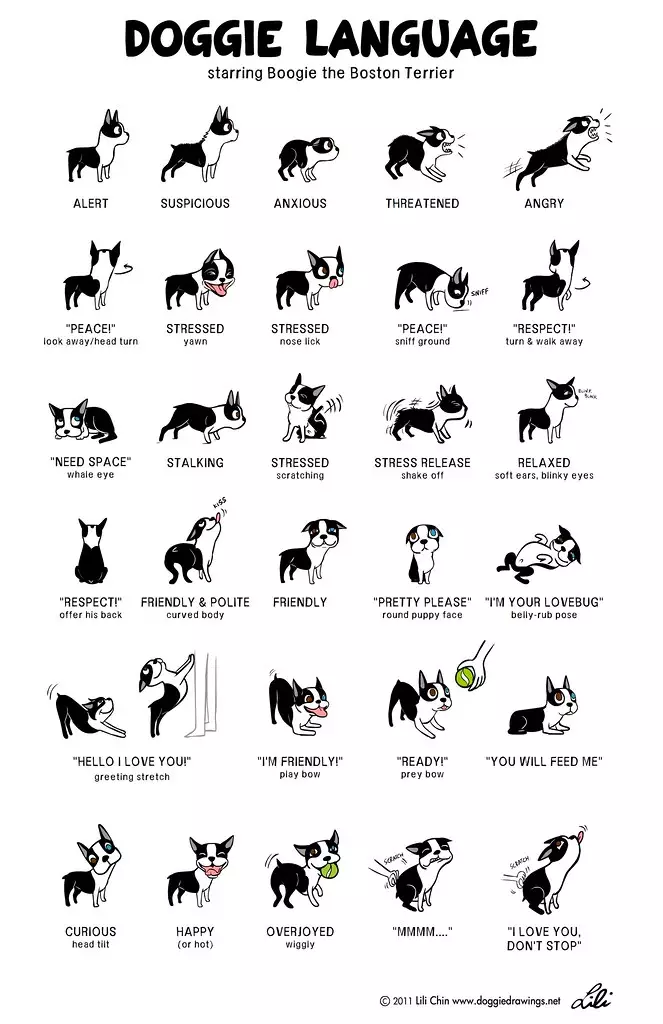
Dog communication signals are the ways dogs share information with people and other animals. These signals include body posture, facial expressions, vocal sounds, scent, and movement.
Dogs rely heavily on nonverbal communication. A dog may show comfort by relaxing its body or show stress by turning away, licking its lips, or avoiding eye contact.
- ✦ Body language
Dogs use their tails, ears, eyes, and posture to show emotions and intentions.
- ✦ Vocal signals
Barks, growls, whines, and other sounds can communicate different needs.
- ✦ Behavior patterns
Daily actions like pacing or bringing toys can reveal feelings and requests.
Why Understanding These Signals Matters
When owners understand dog communication signals, they can respond before problems grow. This can reduce stress and improve training results.
A dog that feels understood often becomes more confident because the owner respects its comfort level.
- ✦ Better relationships
Clear communication helps build trust between dogs and humans.
Common Dog Body Language Signals and Their Meanings
Body language is one of the most important parts of dog communication signals. Dogs constantly send messages through small changes in their bodies.
Owners should avoid reading one signal alone. A tail position, for example, should be understood along with facial expression and the situation.

- ✦ Relaxed body
Loose muscles, soft eyes, and natural movement usually show comfort.
- ✦ Stiff posture
A frozen or tense body can show uncertainty, fear, or alertness.
- ✦ Play bow
Front legs lowered with the back raised often invites play.
Reading Tail and Ear Movements
A moving tail does not always mean a happy dog. Tail height, speed, and body tension change the meaning.
Ears forward may show curiosity, while ears pulled back can suggest worry or submission.
- ✦ Look at the whole dog
Combine several signals before deciding what your dog feels.
Dog Facial Expressions and Eye Communication
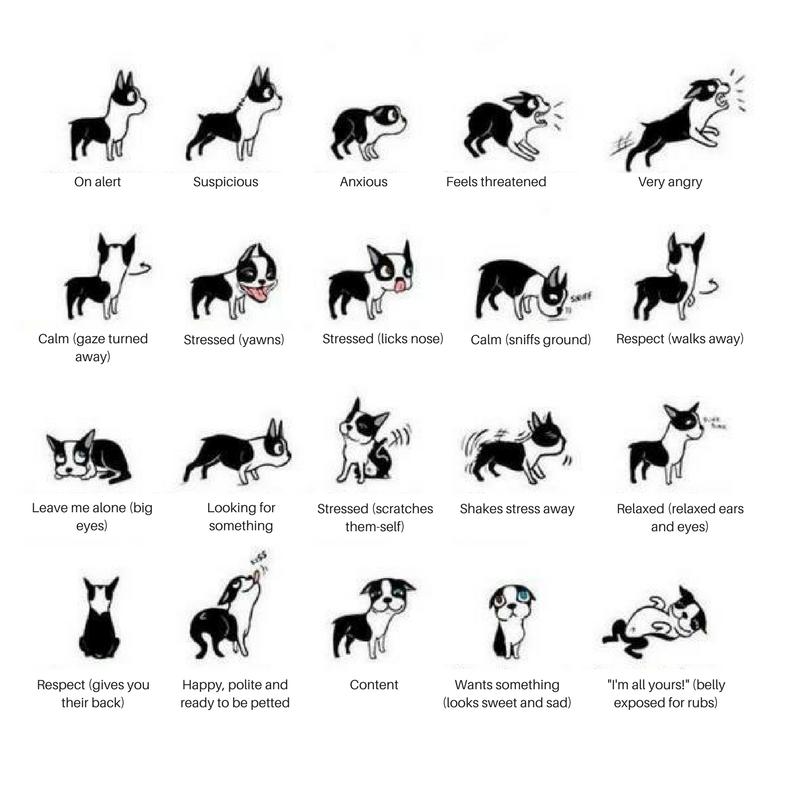
A dog’s face can reveal many emotions. Eyes, mouth position, and facial tension are important dog communication signals.
Soft eyes and a relaxed mouth often show comfort. Wide eyes, visible whites, or a tight mouth may show stress or fear.
- ✦ Soft eye contact
Relaxed eyes usually show a calm and friendly state.
- ✦ Lip licking
Repeated licking can be a calming signal or a sign of stress.
- ✦ Yawning
Dogs may yawn when tired, but they can also use it during stressful moments.
Understanding Calm and Stress Signals
Calming signals help dogs manage social situations. These signals may include looking away, blinking, or moving slowly.
Recognizing these signs allows owners to give dogs space when they need it.
- ✦ Respect boundaries
A dog showing discomfort should not be forced into interaction.
How Dogs Communicate Through Sounds
Sounds are another important part of dog communication signals. Dogs use different tones and patterns to express excitement, fear, warning, or needs.
A bark does not have one fixed meaning. The situation, pitch, and body language help explain what the sound means.
:max_bytes(150000):strip_icc()/heres-what-your-dog-is-trying-to-tell-you-3-92b9d839b7044908b5cd4e95092afdcb.png "How Do Dogs Communicate With Each Other?")
- ✦ Barking
Dogs may bark because they are alert, excited, bored, or seeking attention.
- ✦ Growling
Growling can warn others about discomfort and should not always be punished.
- ✦ Whining
Whining may show excitement, stress, pain, or a request.
Why Vocal Context Matters
The same sound can mean different things in different situations. A playful bark sounds different from a fearful bark.
Owners should observe the complete behavior instead of reacting only to the noise.
- ✦ Watch and listen together
Combine sounds with body signals for better understanding.
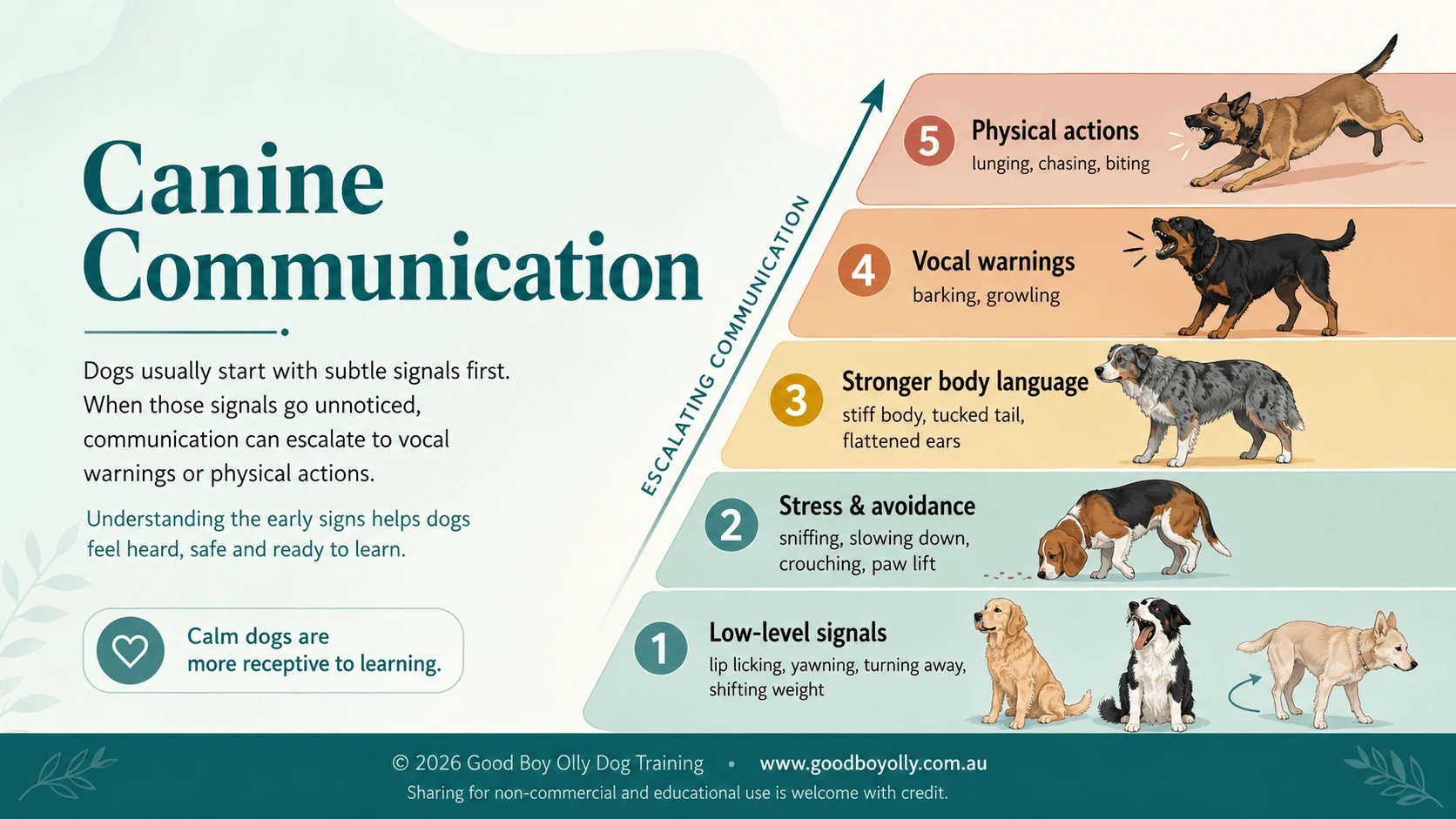
Dog Communication Signals During Training and Daily Life
Training becomes easier when owners understand dog communication signals. A dog that looks away or stops responding may be confused, tired, or overwhelmed.
Positive training focuses on listening as well as teaching. Good trainers notice small signs before asking for more from the dog.
- ✦ Reward clear communication
Praise dogs when they show desired behaviors and calm responses.
- ✦ Avoid forcing interactions
Allow dogs time to adjust in new places or around new people.
- ✦ Build routine
Predictable routines help dogs feel safe and understood.
Signals Between Dogs and Children
Children should learn basic dog communication signals to interact safely. Dogs often show discomfort before they move away or react.
Teaching children to respect a dog’s space creates safer relationships.
- ✦ Teach gentle handling
Children should avoid pulling, hugging tightly, or disturbing resting dogs.
