

Dogs show excitement through tail wagging, jumping, playful movements, bright eyes, and happy sounds.
Every dog owner has seen that special moment when a dog hears the word walk, sees a favorite toy, or watches their person come home. The whole body seems to come alive. Learning dog excitement signals helps you understand what your dog feels before they even make a sound.
In my experience studying dog behavior, many owners notice the obvious signs like barking or jumping but miss smaller clues. A loose body, fast tail movement, playful bow, or excited facial expression can reveal a lot about a dog’s emotional state. This guide explains the most common dog excitement signals and how to respond to them in daily life.
For families across the United States, where dogs often join outdoor activities, road trips, and family routines, reading these signals can improve safety and strengthen the human-dog bond.

What Are Dog Excitement Signals?
Dog excitement signals are behaviors and body movements that show a dog feels energized, interested, or happy about something. These signals can appear when a dog sees their owner, meets another dog, prepares for a walk, or gets a favorite treat.
Dogs communicate mostly through body language. Unlike humans, they do not use words to explain emotions. Instead, they use their tail, ears, eyes, posture, sounds, and movement patterns to share how they feel.
- ✦ Body movement
Excited dogs often move quickly, wiggle their bodies, spin, or bounce with extra energy.
- ✦ Facial expression
A relaxed open mouth, bright eyes, and forward ears can show positive excitement.
- ✦ Vocal signals
Whining, barking, playful growling, and happy sounds may appear during exciting moments.
Why Understanding Excitement Matters
Knowing dog excitement signals allows owners to respond in ways that support calm and healthy behavior. A dog that feels excited may need play, guidance, or a short break depending on the situation.
Many behavior problems happen because people misunderstand excitement. For example, jumping on guests may come from happiness, but the dog still needs training to express that emotion in a safer way.
Common Dog Excitement Signals You Should Know
Dogs display excitement in many different ways. Some dogs become very active, while others show quieter signs like focused attention and a gentle tail movement. Learning your own dog’s normal behavior is important because every dog has a unique personality.
The most reliable approach is to look at the entire body instead of one single action. A wagging tail alone does not always mean happiness, but a loose body combined with playful behavior usually shows positive excitement.

- ✦ Tail wagging
A fast wag with a relaxed body often shows excitement, especially during greetings or play.
- ✦ Play bow
When a dog lowers the front legs and raises the back end, it often invites play.
- ✦ Jumping and bouncing
Many dogs jump when excited because they struggle to control their energy.
- ✦ Zoomies
Running in circles or suddenly racing around the home can be a natural release of excitement.
Reading the Whole Body
A dog’s full body gives the clearest message. Look at the ears, eyes, mouth, tail, and muscle tension together. A relaxed and playful dog usually has soft movements instead of stiff or frozen posture.
Professional trainers often teach owners to watch patterns instead of isolated actions. Context is the key to understanding dog excitement signals correctly.
- ✦ Relaxed posture
A loose body usually shows comfortable excitement rather than stress.
Physical Signs That Show a Dog Is Excited
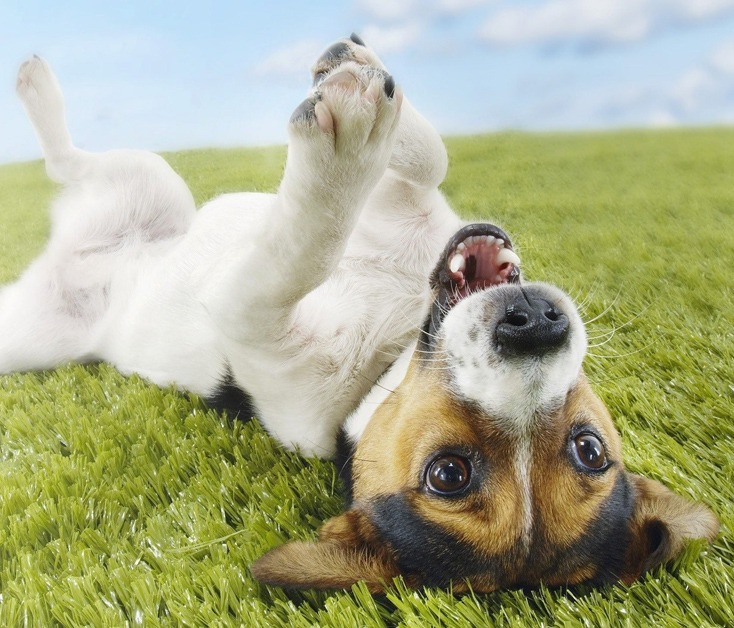
Physical dog excitement signals are often easy to notice because they involve movement and energy. A dog may wiggle, stretch, shake, or move closer when something exciting happens.
These behaviors are normal when they happen in the right setting. A dog greeting a family member after a long day may show intense excitement, while the same behavior during a stressful event may need more careful attention.
- ✦ Wiggly body
A dog that wiggles from head to tail is often showing friendly excitement.
- ✦ Raised energy level
Excited dogs may become faster, more playful, and more interested in their surroundings.
- ✦ Paw movement
Pawing at people or objects can be a way to seek attention during excitement.
Dog Excitement Signals During Greetings
Greeting behavior is one of the most common times to observe dog excitement signals. Many dogs become excited when their owner returns home, when visitors arrive, or when they meet familiar people.
Some greeting behaviors are positive, while others need training. A dog can feel happy and still need boundaries around jumping, barking, or rushing toward people.

- ✦ Happy greeting behaviors
Wagging tails, bringing toys, leaning against people, and playful movements are common signs.
- ✦ Over-excitement
Continuous jumping, intense barking, or inability to settle may mean the dog needs calm training.
Helping an Excited Dog Calm Down
The best response is usually calm and consistent. Reward calm behavior instead of giving attention only when the dog is highly energetic.
Short training sessions, regular exercise, and mental activities can help dogs manage excitement in daily situations.
The Difference Between Excitement and Stress in Dogs
Not every energetic behavior means a dog feels happy. High excitement can sometimes mix with stress, fear, or frustration. This is why owners should learn multiple body language clues.
A relaxed excited dog usually has soft movements and can respond to their owner. A stressed dog may show stiffness, avoid eye contact, excessive panting, or difficulty calming down.

- ✦ Healthy excitement
The dog can play, interact, and return to a calm state after the event.
- ✦ Overstimulation
The dog becomes unable to focus, listen, or control reactions.
When to Seek Professional Help
If excitement regularly turns into aggression, fear, or unsafe behavior, professional guidance from a qualified trainer or veterinarian behavior specialist can help.
Understanding the reason behind behavior is more effective than trying to stop the behavior alone.
