
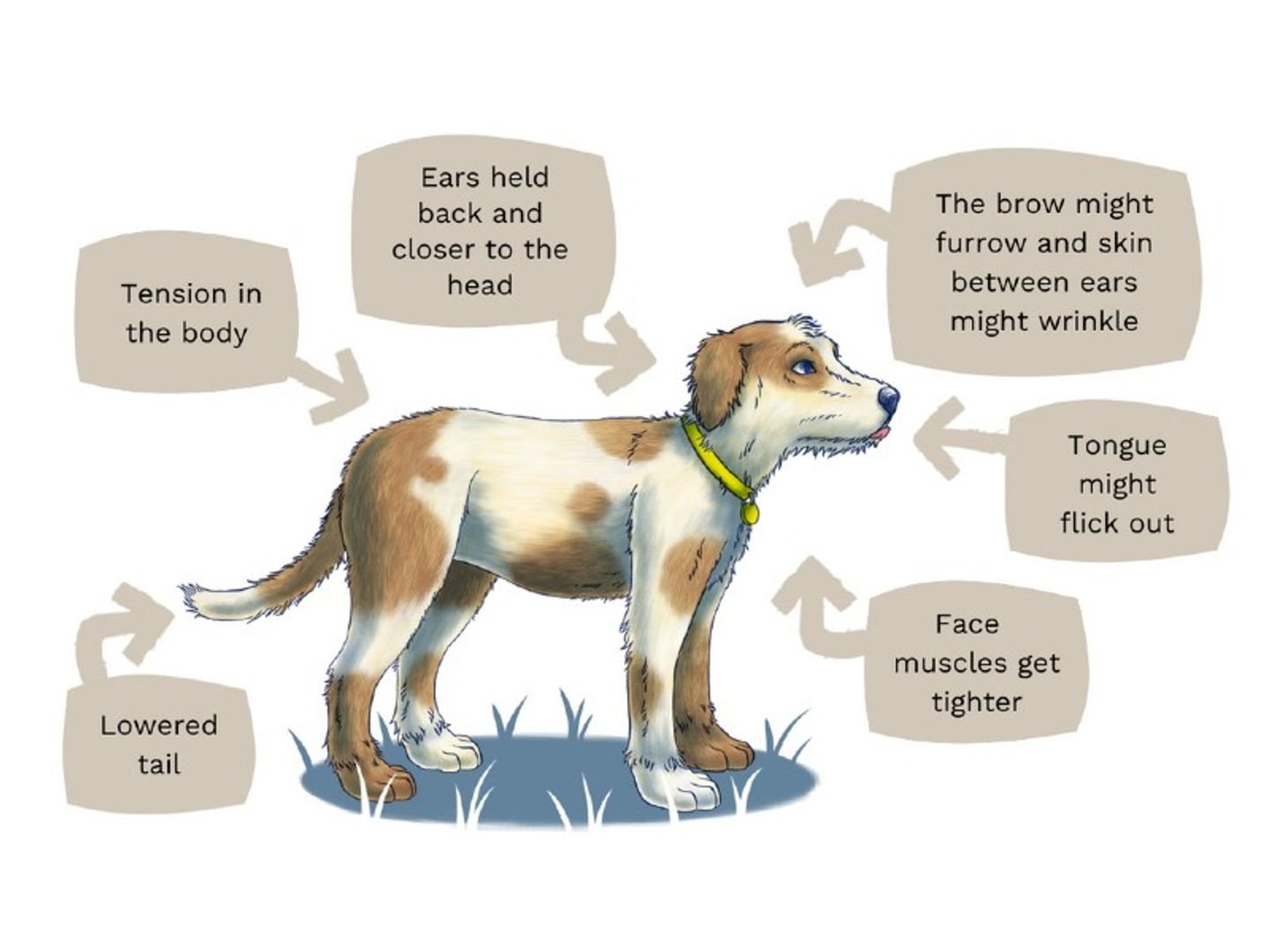
Dogs communicate long before they growl or react strongly. Small changes in their eyes, ears, tail, movement, and sounds often reveal frustration early. Learning these signs helps American dog owners respond before a simple problem becomes a bigger behavior issue.
In my experience studying dog behavior, many training problems start because people miss early communication. A dog that paws at a door, barks at a toy, or walks back and forth may not be stubborn. These can be dog frustration signals asking for help, guidance, or a different approach.

What Are Dog Frustration Signals?
Dog frustration signals are behaviors and body movements that appear when a dog cannot complete a desired action. A dog may want attention, access to food, a toy, outdoor time, or interaction with another dog but cannot get it.
Frustration is different from fear or aggression. A frustrated dog often wants something but feels blocked. The key is to look at the whole situation instead of judging one action alone.

- ✦ Blocked goals
Dogs can become frustrated when a barrier stops them from reaching something they want.
- ✦ Communication attempts
Many behaviors are attempts to communicate a need before the dog becomes overwhelmed.
Why Dogs Become Frustrated
Dogs may feel frustrated because of boredom, unclear training, too much excitement, lack of exercise, or repeated failure during tasks.
- ✦ Daily triggers
Common triggers include waiting for food, seeing animals outside, being unable to greet people, or struggling with training exercises.
Common Body Language Signs of Dog Frustration
The most important dog frustration signals often appear through body language. Dogs use posture and movement to express emotions before they make noise.
Owners should watch for patterns. One signal alone may mean many things, but several signs together can reveal frustration.

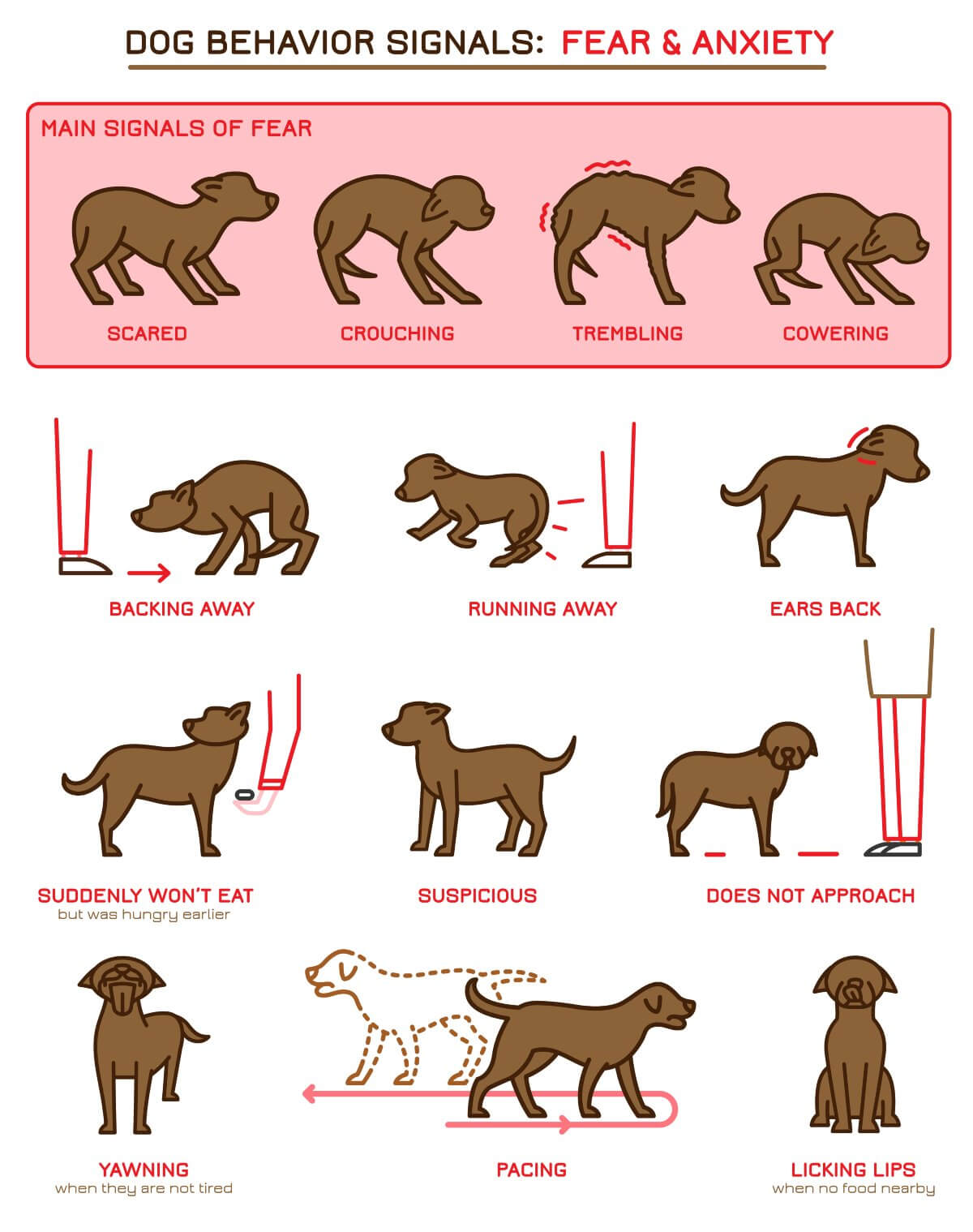
- ✦ Pacing or repeated movement
Walking back and forth, circling, or repeatedly returning to an area can show mental tension.
- ✦ Whining or barking
Dogs may vocalize when they want something and do not know how to achieve it.
- ✦ Staring or intense focus
A fixed gaze toward a toy, person, or object may show strong desire and frustration.
Frustration Signals That Owners Often Miss
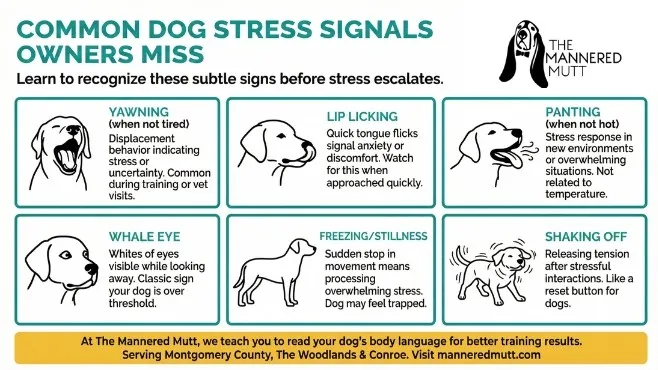
Some dog frustration signals are quiet and easy to overlook. A dog does not always bark or act wildly when frustrated.
Small signs like lip licking, looking away, sudden scratching, or avoiding a task can show emotional pressure.
- ✦ Sudden scratching
A dog may scratch without a physical cause when feeling uncertain or frustrated.
- ✦ Loss of focus
A frustrated dog may stop listening because emotions are taking priority over learning.
Reading The Full Picture
Always consider the environment, recent events, and your dog’s normal personality. Context helps separate frustration from medical issues or fear.
- ✦ Observe patterns
Notice when the behavior happens and what happens before and after it.
How Frustration Looks During Dog Training
Training sessions can create dog frustration signals when exercises are too difficult or unclear. A dog that repeatedly fails may become upset instead of learning.
Good trainers break tasks into smaller steps. Success builds confidence and lowers frustration.
- ✦ Keep sessions short
Short training periods help dogs stay focused and prevent emotional overload.
- ✦ Reward progress
Positive rewards encourage dogs to keep trying during challenging tasks.
How to Respond When You See Dog Frustration Signals
The best response is calm and supportive. Punishing frustration can increase stress and make communication harder.
Instead, identify the cause, reduce pressure, and guide your dog toward a better choice.
- ✦ Create space
Give your dog time to calm down when emotions become too strong.
- ✦ Change the challenge
Make training easier and reward small improvements.
- ✦ Meet daily needs
Exercise, play, mental stimulation, and routine can reduce frustration.
When Dog Frustration May Need Professional Help
Most frustration is normal, but intense reactions need attention. If frustration leads to snapping, destructive behavior, or constant distress, a qualified trainer or veterinarian can help.
Professional support can identify triggers and create a safe plan based on the dog’s needs.
- ✦ Aggressive reactions
Seek guidance when frustration turns into biting attempts or unsafe behavior.
- ✦ Sudden behavior changes
New behaviors may require a health check to rule out pain or illness.
