
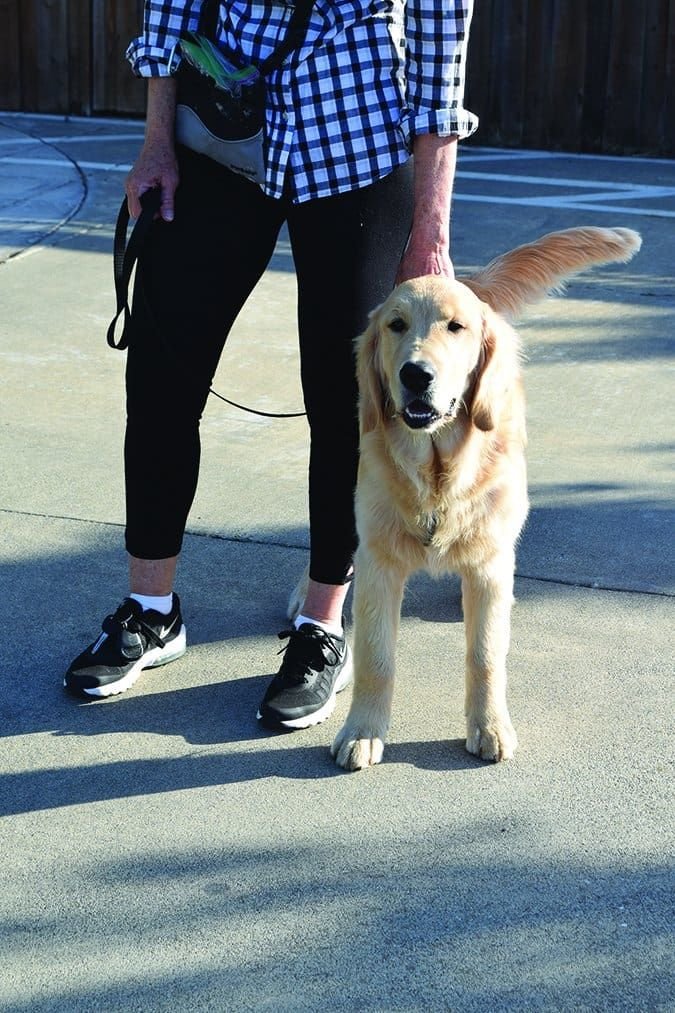
A friendly dog can still create problems when visitors arrive. Many dogs become excited, rush toward the door, bark loudly, jump on people, or struggle to calm down. Teaching dog visitor manners helps your pet understand what behavior is welcome during home visits.
In my experience working with dog behavior topics, the best results come from simple daily practice. Dogs do not naturally know human social rules. They need clear guidance, rewards, and repeated experiences to learn how to welcome guests politely.

Why Dog Visitor Manners Matter for Every Household
Dog visitor manners are important because your home should feel safe and comfortable for everyone. A dog that jumps on guests or blocks the doorway can make visitors nervous, even when the dog has friendly intentions.
Good manners also protect your dog. A calm greeting reduces the chance of accidental injuries, stressful interactions, or situations where your dog feels overwhelmed by too much excitement.
- ✦ Creates calmer greetings
Your dog learns that visitors entering the home is a normal event, not an emergency that requires barking or rushing.
- ✦ Improves guest comfort
Guests feel more relaxed when your dog can sit, wait, and interact politely.
- ✦ Builds owner control
Training gives owners better ways to guide their dogs during busy moments.
Common Visitor Problems Dogs Show
Many dogs struggle with door manners because the arrival of a guest creates strong excitement. The sound of a doorbell, footsteps, or voices can trigger a fast reaction.
The most common issues include jumping, barking, running outside, grabbing clothing, and ignoring basic commands.
- ✦ Jumping on people
Dogs often jump because they want attention, but this behavior can become unsafe for children, older adults, or guests wearing delicate clothing.
- ✦ Excessive barking
Barking may come from excitement, fear, or alert behavior and needs a calm training approach.
How to Train Your Dog to Greet Visitors Politely
Training dog visitor manners starts before the guest walks through the door. Practice during calm moments so your dog can learn without feeling overwhelmed.
Use rewards that your dog loves, such as small treats, praise, or a favorite toy. Reward the behavior you want instead of only correcting unwanted actions.

- ✦ Teach a waiting command
Train your dog to pause at the door until you give permission to approach the visitor.
- ✦ Reward calm behavior
Give rewards when your dog keeps four paws on the floor and stays relaxed.
- ✦ Practice with real situations
Ask family members or friends to help create controlled visitor practice sessions.
The Doorbell Training Method
For many dogs, the doorbell becomes a signal to run, bark, and become excited. You can change this response by practicing with the doorbell sound at a low level.
Start by rewarding your dog for staying calm after hearing the sound. Slowly increase difficulty as your dog improves.
- ✦ Start small
Use short practice sessions and avoid creating situations where your dog becomes too excited.
Preparing Your Dog Before Guests Arrive
Preparation is one of the most important parts of dog visitor manners. A dog with extra energy will have a harder time controlling impulses when someone enters the home.
Before visitors arrive, give your dog exercise, mental stimulation, and a chance to relax. A calm dog is more prepared to make good choices.

- ✦ Take a walk first
Physical activity can reduce excess energy before a guest arrives.
- ✦ Create a quiet space
A comfortable area gives your dog a safe option if visitors become stressful.
- ✦ Prepare training rewards
Keep treats nearby so you can reinforce good behavior immediately.
Managing High Energy Dogs
Some breeds and young dogs naturally have more energy. They may need extra practice before they can calmly greet visitors.
Short training sessions repeated often usually work better than long sessions that create frustration.
- ✦ Use mental games
Puzzle toys and simple commands can help your dog focus before guests arrive.
Teaching Dogs Not to Jump on Visitors
Jumping is one of the biggest challenges owners face when improving dog visitor manners. Dogs usually jump because they want attention and have learned that the action gets a response.
The key is to remove the reward from jumping and provide attention when your dog keeps all paws on the ground.

- ✦ Ignore jumping
Avoid giving attention while your dog jumps because even negative attention can reward the behavior.
- ✦ Reward sitting
Praise and reward your dog when they sit or stand calmly near guests.
Helping Guests Follow the Training Plan
Training works best when everyone follows the same rules. Ask visitors not to encourage jumping or overexcited greetings.
Clear communication helps your dog understand what behavior earns attention.
- ✦ Share simple instructions
Tell guests how to greet your dog before they enter.
Handling Fearful or Anxious Dogs Around Visitors
Not every dog becomes excited when visitors arrive. Some dogs hide, growl, freeze, or show nervous behavior. Dog visitor manners should always consider your dog’s comfort level.
For fearful dogs, forcing interaction can increase stress. Give your dog space and allow slow, positive experiences.

- ✦ Respect personal space
Allow your dog to choose when they feel ready to approach visitors.
- ✦ Use positive experiences
Pair visitors with treats and calm moments to build confidence.
- ✦ Seek professional help when needed
A qualified trainer can help with serious fear or aggression concerns.
Signs Your Dog Needs More Support
Watch for repeated stress signals such as hiding, shaking, avoiding contact, or showing defensive behavior.
Understanding these signs helps owners create safer visitor experiences.
- ✦ Observe body language
Your dog’s ears, tail, posture, and movement can show how they feel.
Dog Visitor Manners for Puppies and Young Dogs
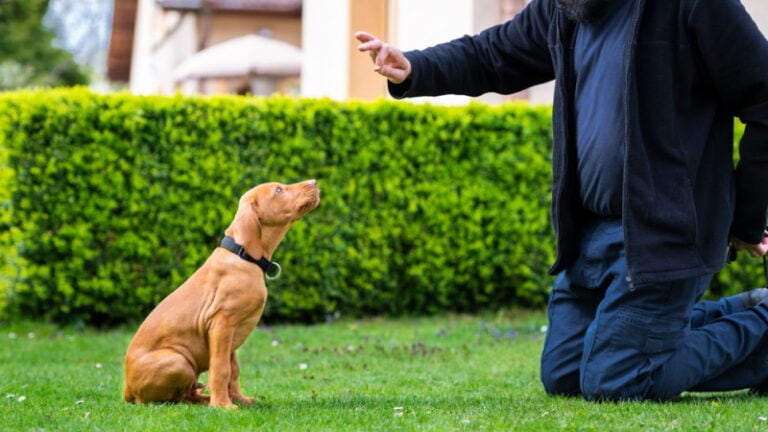
Puppies are naturally curious and energetic, which makes early training important. Teaching dog visitor manners during puppyhood creates habits that last into adulthood.
Young dogs learn through repetition. Every visitor becomes a chance to practice calm greetings and polite behavior.
- ✦ Start early
Introduce puppies to different people and situations in a safe way.
- ✦ Keep sessions positive
Reward success and avoid overwhelming young dogs.
Building Lifelong Good Habits
Small daily lessons create stronger results than occasional training. Puppies that practice calm greetings often become easier adult companions.
- ✦ Practice consistency
Use the same commands and rules every time.
