
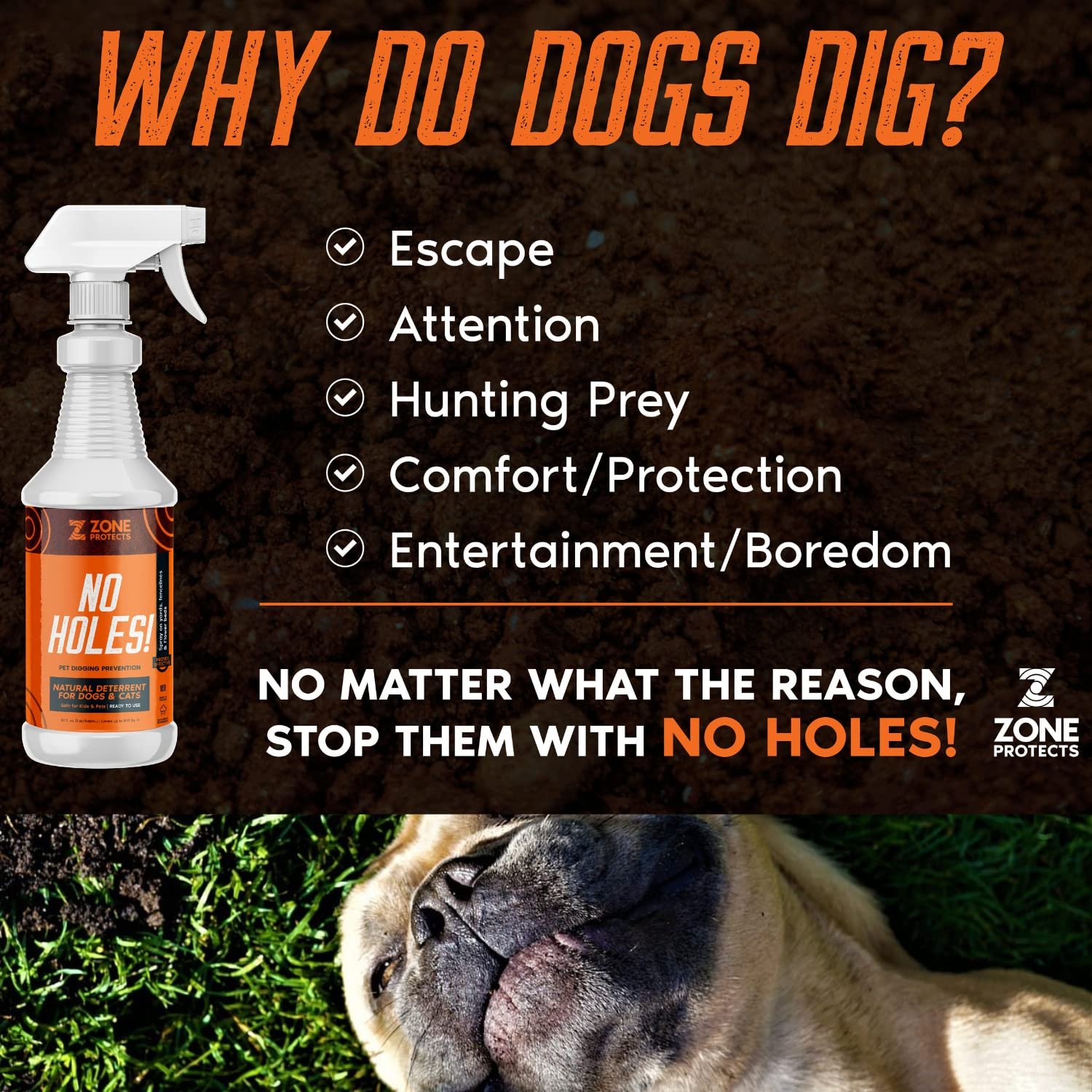
Many American dog owners deal with damaged lawns, garden beds, and fence areas because of digging. A dog rarely digs just to cause trouble. Digging is a natural behavior linked to instincts, boredom, comfort, and curiosity.
In my experience working with dog behavior topics, the biggest mistake owners make is trying to stop digging without finding the reason behind it. Effective dog digging prevention focuses on meeting the dog’s needs while teaching better habits.
A successful plan combines training, daily activity, environmental changes, and patience. When dogs have better outlets for their energy, unwanted digging often becomes much easier to manage.

Why Dogs Dig and How It Helps Dog Digging Prevention
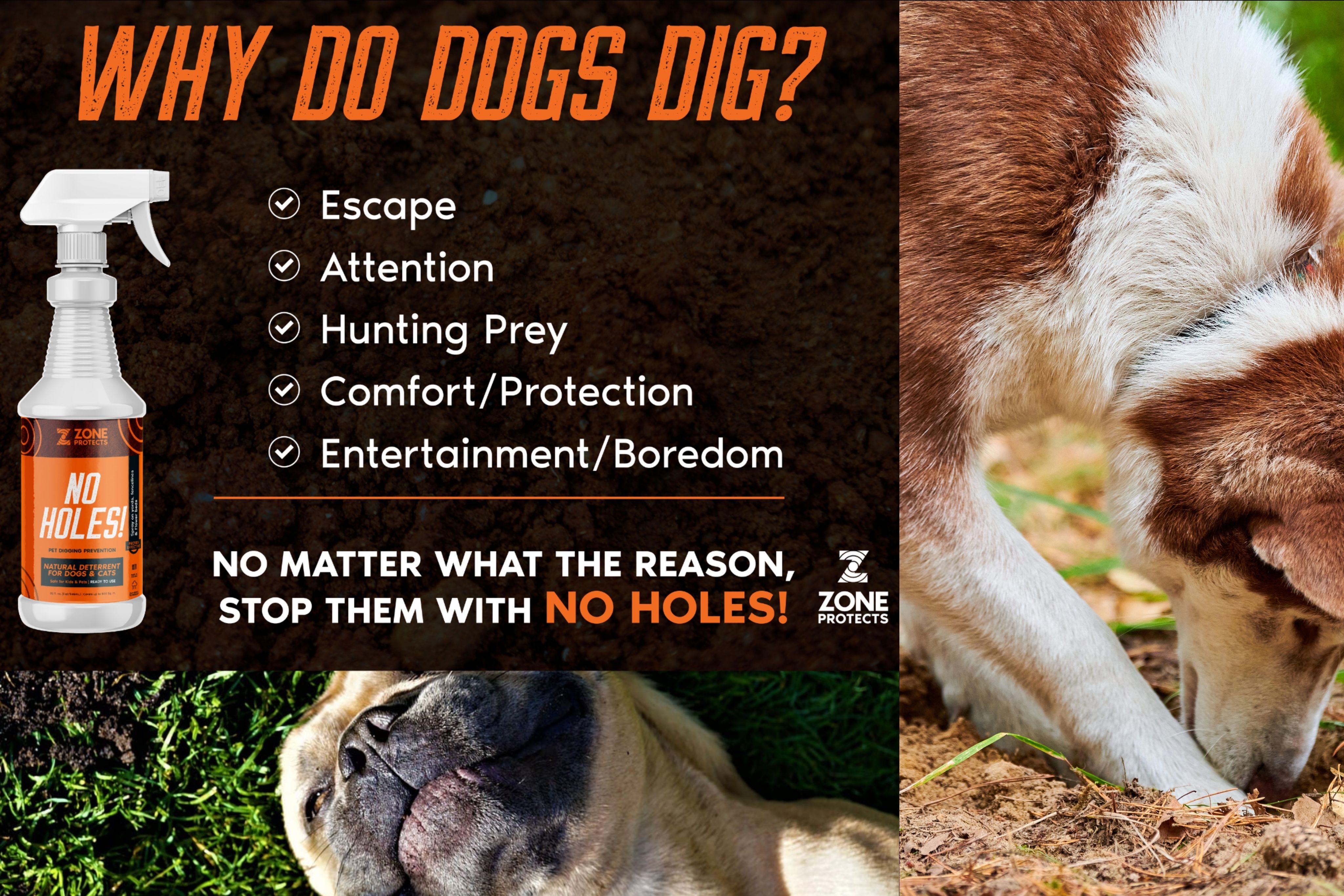
The first step in dog digging prevention is understanding why your dog digs. Dogs may dig because they feel bored, want attention, search for a cool place, hide toys, or follow natural instincts.
Different causes need different solutions. A dog that digs from boredom needs more activity, while a dog escaping under a fence needs a safety solution.

- ✦ Boredom
Dogs with unused energy may dig because it gives them something exciting to do.
- ✦ Temperature control
Some dogs dig shallow holes to create a cooler resting place during warm weather.
- ✦ Natural instinct
Many breeds have strong digging instincts because their ancestors used digging for hunting and shelter.
- ✦ Escape behavior
Dogs may dig near fences when they want to explore or reach another animal.
Understanding Your Dog’s Digging Pattern
Watch when and where your dog digs. A dog digging only near the fence has a different motivation than a dog digging all over the yard.
Keeping notes for a few days can help you choose the right dog digging prevention strategy instead of guessing.
- ✦ Observe timing
Notice if digging happens after meals, during alone time, or after outdoor play.
Use Training as the Foundation of Dog Digging Prevention
Training is one of the most reliable parts of dog digging prevention. Dogs learn through clear communication, rewards, and repeated practice.
Instead of yelling after your dog digs, reward the behaviors you want to see. Positive reinforcement helps your dog understand what earns praise.
- ✦ Redirect the behavior
Call your dog away from the digging area and offer a toy, game, or approved activity.
- ✦ Reward good choices
Praise your dog when they relax, play, or stay in allowed areas.
- ✦ Stay consistent
Everyone in the home should follow the same training rules.
Create a Digging Alternative
Some dogs love digging and may not need to stop completely. A designated digging area can be a practical dog digging prevention tool.
Fill a sandbox or small garden section with safe soil and encourage your dog to use that space instead.
- ✦ Dedicated digging zone
A safe digging area allows natural behavior while protecting important parts of your yard.
Improve Exercise and Mental Stimulation
Many digging problems happen because dogs do not receive enough physical and mental activity. A tired and satisfied dog is less likely to search for entertainment by digging.
Daily walks, training games, puzzle toys, and play sessions can support long-term dog digging prevention.

- ✦ Daily walks
Regular walks help release energy and reduce restlessness.
- ✦ Interactive toys
Puzzle feeders and problem-solving games keep dogs mentally engaged.
- ✦ Training sessions
Short training sessions build focus and strengthen the owner-dog relationship.
Match Activities to Your Dog
Every dog has different needs. A young working breed may need more activity than an older companion dog.
A customized routine makes dog digging prevention easier because it reduces the motivation to create self-made activities.
- ✦ Know your breed
Some breeds naturally enjoy digging more because of their history and instincts.
Prevent Digging Under Fences and Escape Attempts
Fence digging is a common safety concern for dog owners. Dogs may dig under fences because they see another animal, smell something interesting, or want to explore.
Strong barriers combined with training create a better dog digging prevention plan than using punishment.

- ✦ Block fence gaps
Secure weak areas where your dog starts digging.
- ✦ Add ground barriers
Use safe fence solutions that make digging under the fence harder.
- ✦ Reduce outside triggers
Limit visual access to animals or distractions that encourage escape attempts.
Protect Your Yard Without Stress
The goal of dog digging prevention is not to remove every natural behavior. The goal is to create a safe environment where your dog can succeed.
- ✦ Use humane methods
Avoid harsh corrections that can increase fear or anxiety.
Common Mistakes That Reduce Dog Digging Prevention Success
Some owners try quick fixes that do not solve the real cause of digging. These methods often fail because the dog’s needs remain unchanged.
Good dog digging prevention requires understanding behavior and making small improvements over time.
- ✦ Punishing after the fact
Dogs may not understand why they are being corrected after they dig.
- ✦ Ignoring boredom
A dog without enough activity may return to digging even after training.
- ✦ Using only deterrents
Deterrents may help, but they work best with exercise and training.
