
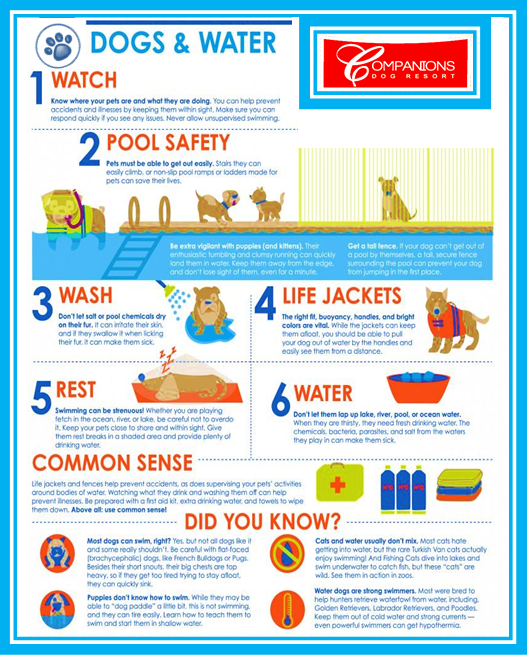
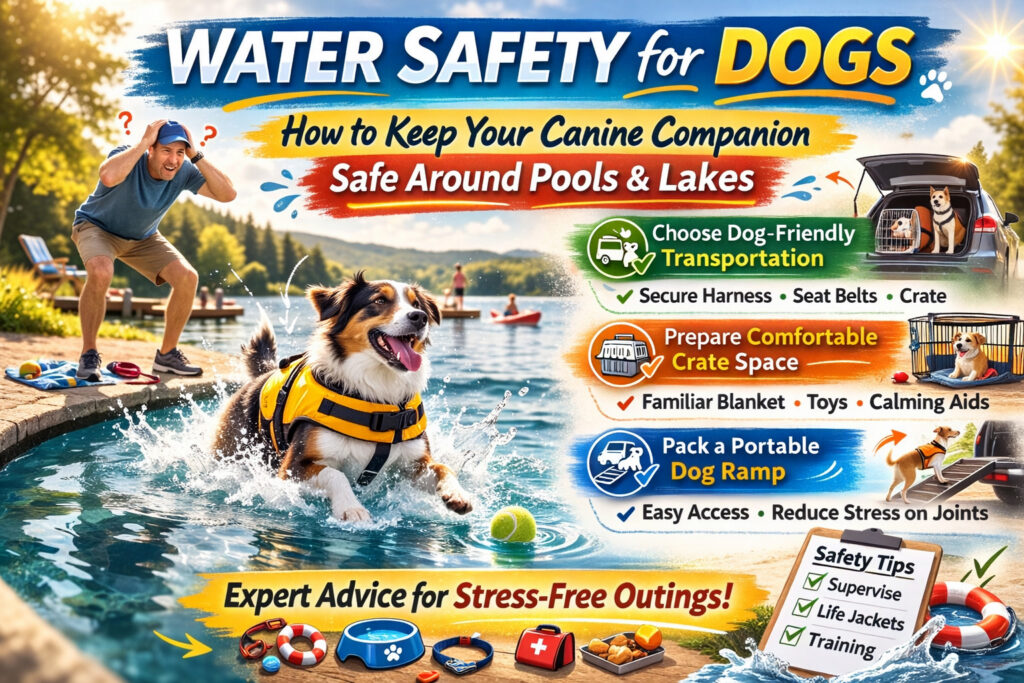
Many dogs love water, but enjoying a splash does not mean every dog knows how to stay safe. As a dog care writer, I have seen that the biggest mistakes happen when owners assume all dogs can swim well. Safe water habits start with knowing your dog’s limits, watching their body language, and preparing before outdoor adventures.
In the United States, many families spend summer days near pools, lakes, rivers, and beaches with their pets. Good dog water safety practices help prevent accidents and make water activities more fun. Simple steps like using a dog life jacket, checking water quality, and staying nearby can make a major difference.
Why dog water safety matters for every dog owner
Water activities can provide exercise, mental stimulation, and relief from hot weather. However, water also creates risks that many owners do not notice at first. Dogs can become tired, panic in deep water, or struggle to get out of pools.
Dog water safety is not only about preventing drowning. It also includes protecting your dog from harmful bacteria, strong currents, unsafe temperatures, and accidental water intake. A safe approach allows your dog to enjoy water without unnecessary danger.
- ✦ Prevent exhaustion
Dogs may keep swimming even when they are tired. Regular breaks help prevent fatigue and stress.
- ✦ Avoid hidden hazards
Sharp objects, algae, chemicals, and strong waves can create serious problems.
- ✦ Build confidence
Slow introductions help dogs feel comfortable instead of becoming fearful around water.
Common water risks for dogs
A dog may look happy while swimming but still face danger. Heavy breathing, struggling to keep the head above water, or moving slowly can be signs that your dog needs a break.
- ✦ Drowning risk
Dogs can drown if they cannot find an exit or become too tired to swim.
- ✦ Water poisoning
Drinking too much water during play can upset a dog’s body balance and may require veterinary care.
Can all dogs swim naturally?
Many people believe every dog can swim, but this is not true. Some breeds have body shapes that make swimming harder. Dogs with short noses, heavy bodies, or short legs may struggle more in water.
Dog water safety begins with understanding your individual pet. Even strong swimmers need supervision because confidence does not remove all risks.
- ✦ Dogs that may need extra help
Bulldogs, pugs, dachshunds, and some small breeds may need life jackets and close support.
- ✦ First swimming lessons
Start in shallow water and allow your dog to enter at their own speed.
How to introduce your dog to water safely
A positive first experience can shape how your dog feels about water for life. Never force a nervous dog into a pool, lake, or ocean. Fear can make swimming unsafe.
Use calm training steps and reward your dog for staying relaxed. A patient approach is one of the most important parts of dog water safety.

- ✦ Begin with shallow water
Let your dog walk through a small amount of water before trying deeper areas.
- ✦ Use positive rewards
Treats, praise, and calm encouragement help create good water experiences.
- ✦ Stay close
Keep your dog within reach during early swimming sessions.
Signs your dog enjoys swimming
A relaxed swimmer usually keeps a steady pace, shows loose body language, and willingly returns to the water. A stressed dog may paddle quickly, try to escape, or cling to people.
- ✦ Relaxed behavior
A calm face and smooth movements often show comfort.
Dog pool safety tips for backyard swimming
Backyard pools are popular in many American homes, but they require careful planning. Dogs may jump in but fail to find a safe way out. Teaching pool exits is a key part of dog water safety.
Always supervise your dog around a pool, even if your dog has swum many times before. A familiar environment can still become dangerous.

- ✦ Create an easy exit
Make sure your dog knows where steps or ramps are located.
- ✦ Check pool chemicals
Avoid allowing dogs to drink chlorinated pool water.
- ✦ Use barriers
Pool fences can prevent accidental falls when nobody is watching.
Lake, river, and beach water safety for dogs
Natural water areas create different challenges compared with pools. Lakes and rivers may contain currents, hidden objects, parasites, or harmful algae. Beaches may add waves, salt water, and hot sand concerns.
Before letting your dog swim outdoors, check the area and watch local warnings. Clean water and safe conditions are important parts of responsible dog water safety.

- ✦ Watch for algae blooms
Some blue-green algae can be harmful or toxic to dogs.
- ✦ Bring fresh drinking water
Offer clean water so your dog does not drink from unsafe sources.
- ✦ Rinse after swimming
Fresh water rinses help remove salt, dirt, and lake residue.
Why a dog life jacket can improve water safety
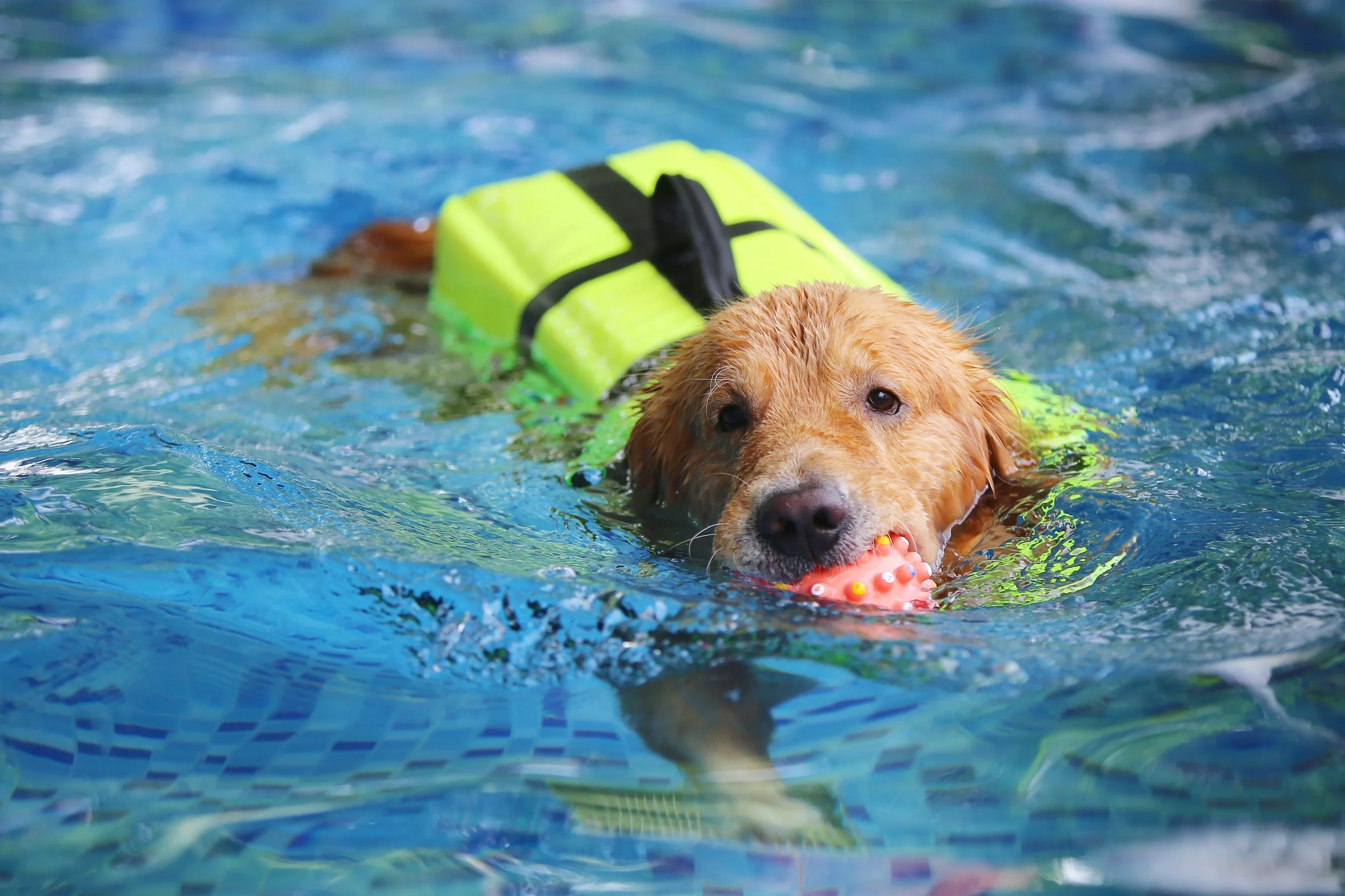
A properly fitted life jacket adds extra support during swimming trips. It is especially helpful for puppies, older dogs, weak swimmers, and boating activities.
A life jacket does not replace supervision. It is a safety tool that supports your dog while you stay alert and nearby.

- ✦ Choose the right fit
The jacket should allow movement while keeping your dog supported.
- ✦ Look for visibility
Bright colors help owners spot dogs in water more easily.
