
Dog adulthood changes include shifts in behavior, energy, body, and care needs.
When a dog reaches adulthood, many owners notice subtle changes. A playful puppy may become calmer, more focused, and more confident. These dog adulthood changes are a normal part of development and show that a dog is becoming mature.
From years of working with dog owners, one lesson stands out: adult dogs still need guidance and attention. Adulthood does not mean a dog stops learning. It means their needs become different and more stable.

What Are Dog Adulthood Changes?
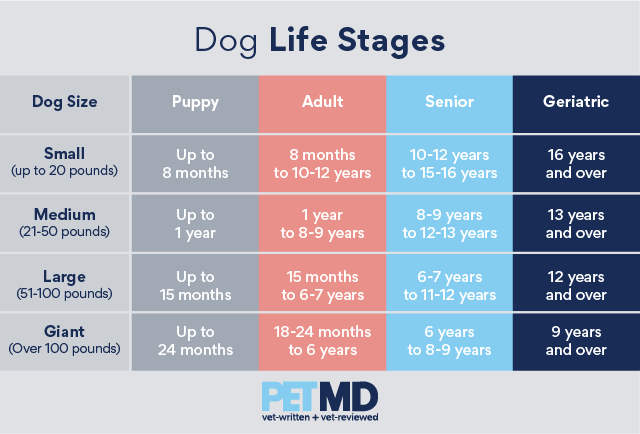
Dog adulthood changes begin when a dog moves beyond the puppy and adolescent stages. The exact timing depends on breed, size, and genetics. Small dogs often mature faster, while large breeds may take longer.
During adulthood, dogs usually develop stronger habits and a more predictable personality. They may become less restless but still need mental stimulation and physical activity.
- ✦ Behavior changes
Adult dogs often become calmer, more confident, and more consistent in their reactions.
- ✦ Physical changes
Muscle development, body shape, and energy levels may change as growth finishes.
How Behavior Changes in Adult Dogs
One of the most noticeable dog adulthood changes is behavior. Many dogs become more settled and easier to understand. They may show stronger preferences for routines, people, and activities.
Adult dogs can still develop unwanted behaviors if they lack exercise or training. Consistent rules and positive reinforcement help maintain good habits.

- ✦ More emotional stability
Many adult dogs handle new situations better because they have more experience.
- ✦ Different social needs
Some dogs become more selective about play and interactions as they mature.
Training During Adulthood
Adult dogs can learn new commands and behaviors. Short training sessions keep their mind active and strengthen the bond with their owner.
- ✦ Use rewards
Reward-based training helps adult dogs understand desired behaviors.
Physical and Health Changes in Adult Dogs
Dog adulthood changes also appear in physical health. Adult dogs usually stop growing taller, but their bodies continue changing through muscle, weight, and activity patterns.
Regular veterinary visits help owners track health changes. In the United States, many veterinarians recommend preventive care to support long-term wellness.

- ✦ Weight management
Adult dogs may need adjusted food portions because their energy needs can decrease.
- ✦ Dental care
Regular dental care helps prevent common oral health problems.
Changes in Adult Dog Nutrition and Exercise
Adult dogs need food that matches their lifestyle. A working dog may need more calories than a relaxed house dog. Choosing the right diet is one of the important dog adulthood changes owners should manage.
Exercise needs also vary. Daily walks, play, and mental games help adult dogs stay healthy and reduce boredom.
- ✦ Balanced diet
Adult dog food should provide suitable protein, nutrients, and calories.
- ✦ Mental enrichment
Puzzle toys and training games support healthy brain activity.
Common Challenges During Dog Adulthood
Every dog experiences adulthood differently. Some adapt quickly, while others need extra support with anxiety, weight changes, or new habits.
Recognizing normal dog adulthood changes helps owners separate expected development from possible health concerns.
- ✦ Reduced energy
Some adult dogs become less active and need adjusted exercise plans.
- ✦ Behavior shifts
Sudden behavior changes may require professional advice.
