
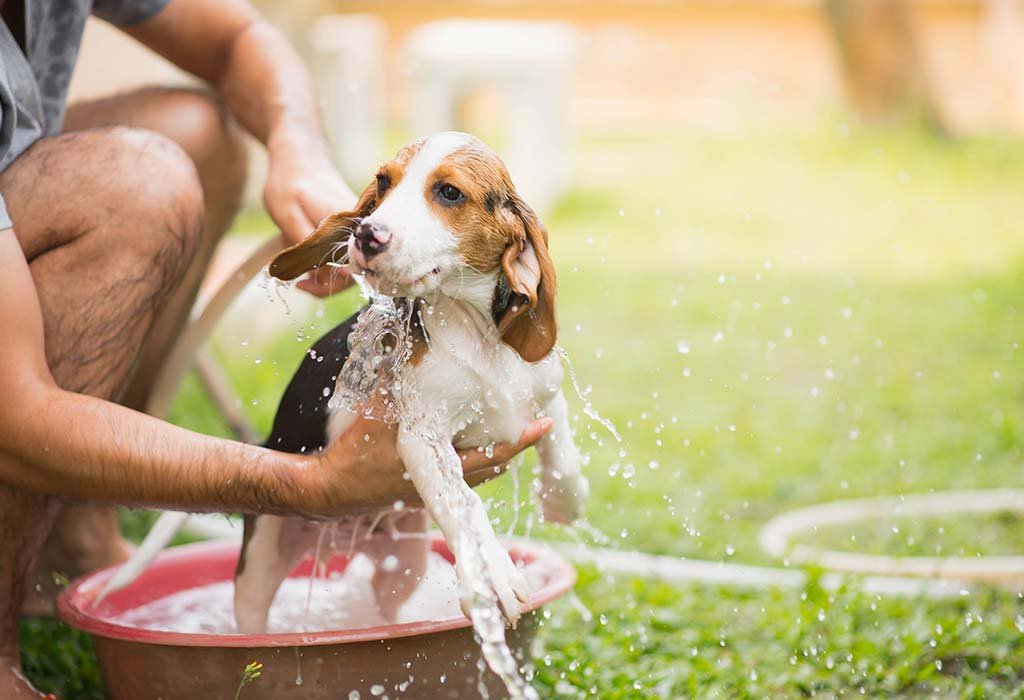
A proper dog bathing technique is more than getting your pet wet and adding shampoo. It is a grooming routine that protects skin health, removes dirt, and helps your dog feel comfortable during baths. Many U.S. pet owners struggle because dogs may fear water or move too much during the process.
After working with different dog coats and grooming routines, I learned that patience matters as much as the products you use. A calm approach, the right tools, and a simple routine can turn bath time from a stressful event into a positive experience.
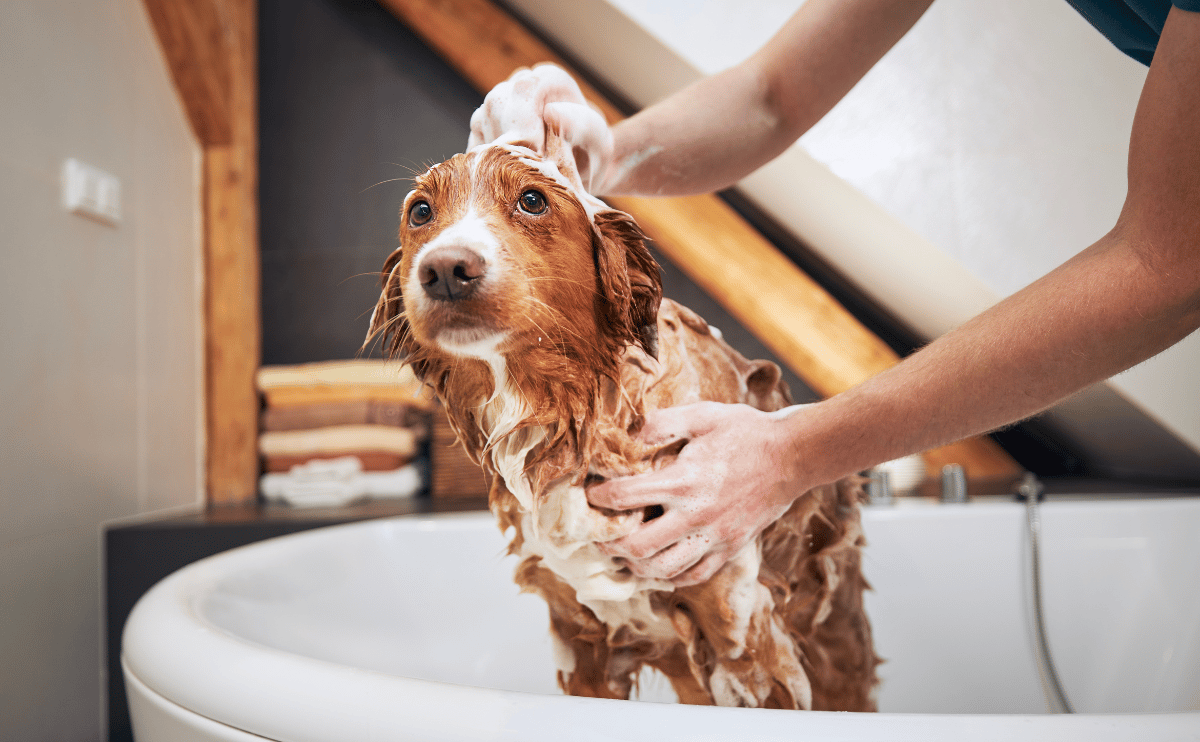
Understanding the Basics of a Dog Bathing Technique
The best dog bathing technique follows a clear order: prepare, brush, wet, wash, rinse, and dry. Skipping steps can leave shampoo behind or make your dog uncomfortable.
Every dog is different. A Labrador that plays outside often may need more cleaning than an indoor short-haired dog. Coat type, activity level, and skin condition all affect bathing needs.
- ✦ Know your dog’s coat
Long, thick, curly, and double coats often need extra brushing before and after a bath.
- ✦ Keep the process calm
Use a soft voice and slow movements to help your dog trust the routine.
Why proper bathing matters
Regular bathing removes dirt, allergens, and odors. It also gives owners a chance to check for skin issues, lumps, or parasites.
A poor bathing routine can dry the skin or create irritation. Gentle care helps maintain the natural oils that protect the coat.
- ✦ Healthy skin support
Balanced bathing helps keep the skin barrier strong.
Preparing Your Dog Before the Bath
Preparation is one of the most important parts of any dog bathing technique. Gather everything before starting so your dog is not left alone in water.
Choose a safe place such as a bathtub, shower area, or outdoor washing space. In the United States, many owners use a bathroom tub with a non-slip mat to prevent accidents.

- ✦ Essential supplies
Prepare dog shampoo, towels, a brush, a cup or sprayer, and treats for positive reinforcement.
- ✦ Brush first
Remove loose hair and tangles before water touches the coat.
Choosing the right shampoo
Always use shampoo made for dogs. Human shampoo can be too harsh because dog skin has a different pH balance.
Dogs with sensitive skin may need a veterinarian-approved formula designed for dryness or irritation.
- ✦ Avoid strong chemicals
Gentle formulas reduce the chance of skin discomfort.
Step-by-Step Dog Bathing Technique
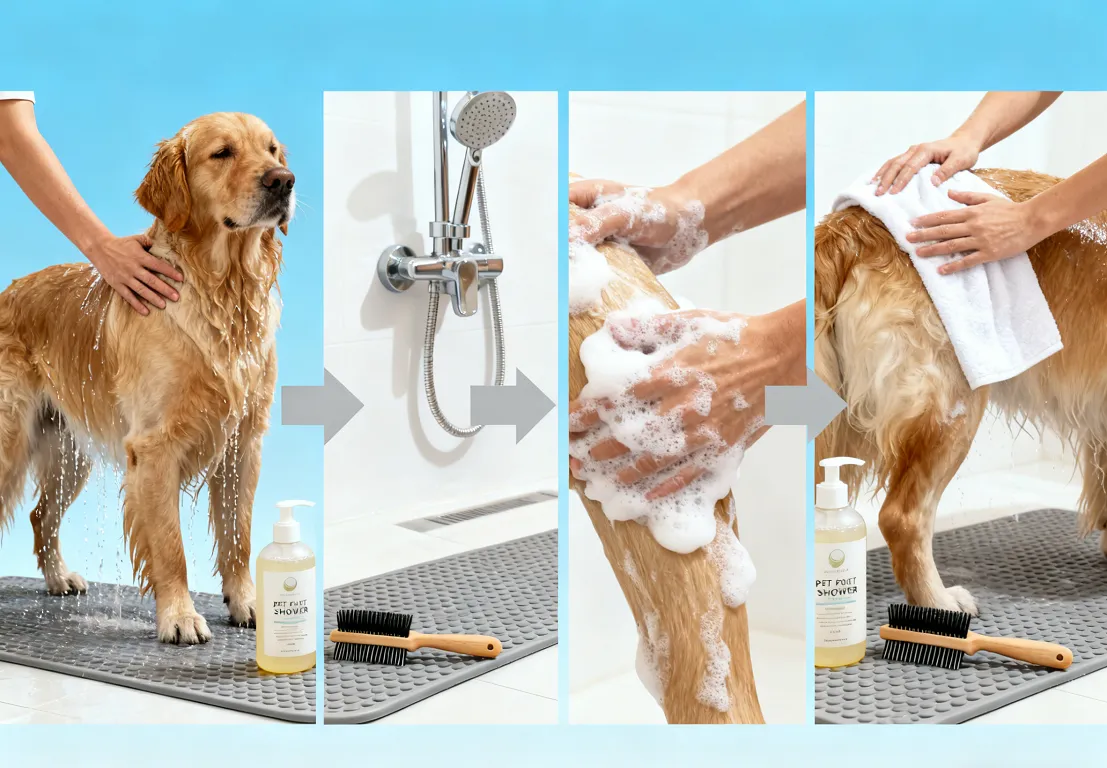
A reliable dog bathing technique starts with water temperature that feels warm but not hot. Test the water with your hand before placing your dog inside.
Wet the coat fully, apply shampoo gently, and massage from the neck toward the tail. Avoid rushing because careful cleaning gives better results.
- ✦ Protect sensitive areas
Keep water and shampoo away from eyes, ears, and nose.
- ✦ Rinse completely
Leftover shampoo can cause itching and dry skin.
Washing difficult areas
Paws, under the belly, and areas near the tail often collect more dirt. Clean these areas carefully without aggressive rubbing.
For nervous dogs, shorter sessions with rewards can build confidence over time.
- ✦ Use gentle pressure
Massage the coat instead of scrubbing hard.
Drying Your Dog After Bathing
Drying is a key part of the dog bathing technique because trapped moisture can cause discomfort and coat problems. Use a clean towel and gently press water from the coat.
Some dogs tolerate pet dryers, while others become anxious. If you use a dryer, choose a low heat setting and keep it moving.

- ✦ Towel dry first
Remove most water before using any dryer.
- ✦ Check hidden areas
Dry ears, paws, and thick fur carefully.
Avoid common drying mistakes
High heat can damage skin and make dogs uncomfortable. Slow drying is safer and usually more effective.
- ✦ Stay patient
A calm drying routine creates better long-term habits.
Common Dog Bathing Mistakes to Avoid
Many owners accidentally make bath time harder by using the wrong products or moving too quickly. Understanding mistakes helps create a better dog bathing technique.
A successful routine focuses on safety, comfort, and consistency rather than speed.

- ✦ Bathing too often
Frequent baths without a reason may remove natural skin oils.
- ✦ Using human products
Human soaps and shampoos may irritate a dog’s skin.
- ✦ Ignoring brushing
Mats can become worse when wet.
Helping fearful dogs enjoy baths
Start with small steps. Let your dog explore the bathing area before adding water.
Rewards and praise can help create a positive connection with grooming.
- ✦ Build trust
Comfort grows through repeated calm experiences.
How Often Should You Bathe Your Dog?
There is no single bathing schedule for every dog. A good dog bathing technique includes understanding your dog’s lifestyle and coat needs.
Dogs that swim, play outdoors, or have skin conditions may need different schedules. Your veterinarian can provide advice for special cases.
- ✦ Short-haired dogs
They often need fewer baths unless they get dirty.
- ✦ Active dogs
Outdoor dogs may need more frequent cleaning.
When to ask a professional
Seek professional advice if your dog has ongoing itching, redness, unusual odor, or skin changes.
- ✦ Skin concerns
Persistent problems may require veterinary support.
