
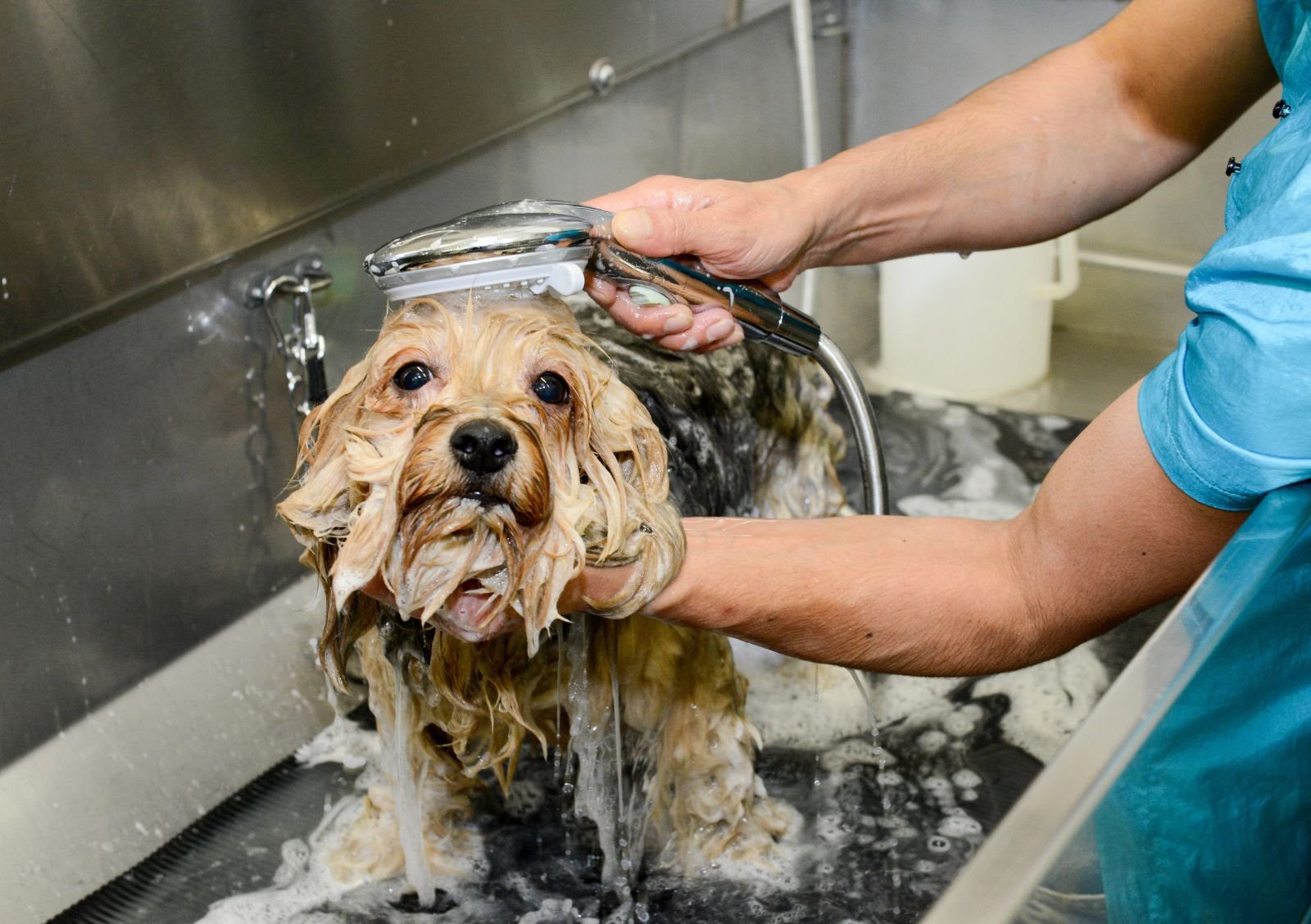
Dog grooming desensitization teaches dogs to feel safe with grooming through slow, positive exposure.
Many dogs do not dislike grooming itself. They dislike the strange sounds, new sensations, and loss of control they feel during the process. Dog grooming desensitization helps change those feelings by building trust one small step at a time.
From working with grooming routines, one lesson stands out: rushing creates stress, while patience creates cooperation. A dog that learns to enjoy the brush, clippers, dryer, and handling is more comfortable at home and during visits to a professional groomer in the United States.

What Is Dog Grooming Desensitization?
Dog grooming desensitization is a training process that reduces fear by slowly introducing a dog to grooming experiences. The goal is not to force acceptance. The goal is to help the dog stay calm while facing new sights, sounds, and touches.
This method is often combined with counter conditioning. Counter conditioning means changing a dog’s emotional response by pairing a scary experience with something enjoyable, such as treats, praise, or play.

- ✦ Slow exposure
The dog experiences grooming tools and actions at a level that feels safe.
- ✦ Positive rewards
Rewards help the dog connect grooming with good experiences.
- ✦ Repeated practice
Short training sessions build confidence over time.
Why Dogs Become Afraid of Grooming
Dogs may fear grooming because of past bad experiences, lack of early exposure, or sensitivity to touch and sound. A puppy that never experienced brushing or nail handling may find these activities overwhelming later.
Common triggers include loud dryers, electric clippers, slippery tables, unfamiliar groomers, and having sensitive areas touched. Understanding the cause helps owners choose the right training approach.
- ✦ Fear from past events
A painful nail trim or stressful grooming visit can create lasting fear.
- ✦ Limited social learning
Dogs without early grooming practice may need more gradual training.
Benefits of Dog Grooming Desensitization
Dog grooming desensitization improves the grooming experience for both dogs and people. A relaxed dog is easier to handle and less likely to struggle, snap, or panic during routine care.
This approach also supports better health because owners can check ears, paws, skin, and coat more easily. Regular grooming becomes a normal part of life instead of a stressful event.
- ✦ Lower stress
Dogs learn that grooming does not need to be scary.
- ✦ Safer handling
Calmer dogs reduce the chance of accidents during grooming.
- ✦ Better cooperation
Dogs become more willing to participate in grooming routines.
How to Start Dog Grooming Desensitization at Home
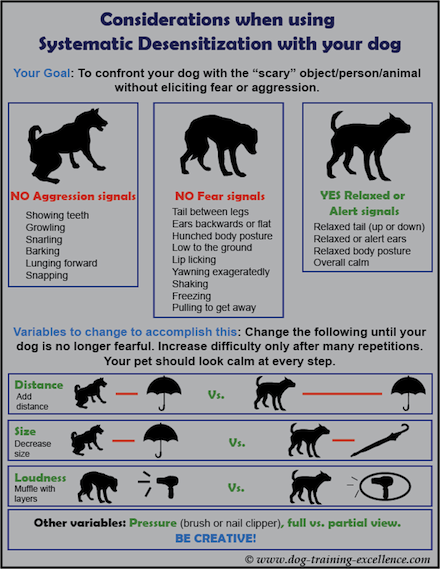
Start with the easiest step your dog can handle. If your dog runs away from a brush, begin by showing the brush from a distance. Reward calm behavior before moving closer.
Keep sessions short. Five minutes of successful practice is better than thirty minutes that ends with fear or frustration.

- ✦ Step 1: Introduce the tool
Let your dog see and smell brushes, clippers, or dryers without pressure.
- ✦ Step 2: Add gentle touch
Touch the dog briefly with your hand before using grooming tools.
- ✦ Step 3: Reward calm behavior
Give treats and praise when your dog stays relaxed.
Using Rewards During Training
High-value treats can help dogs build positive associations with grooming. Some dogs respond well to praise, toys, or a favorite activity after practice.
The reward should happen during calm moments, not only after the session ends.
- ✦ Choose valuable rewards
Use something your dog truly enjoys.
Desensitizing Dogs to Clippers, Dryers, and Grooming Sounds
Noise is one of the biggest challenges in dog grooming desensitization. Clippers and dryers create vibrations and sounds that many dogs find unusual.
Begin with the tool turned off. Let the dog see it, reward calm behavior, and only introduce sound after the dog feels comfortable.

- ✦ Start with distance
Keep noisy tools far away during early training.
- ✦ Increase slowly
Move closer only when the dog stays relaxed.
Common Mistakes to Avoid During Grooming Training
Many owners want quick results, but pushing a fearful dog too fast can increase anxiety. Dog grooming desensitization works best when the dog feels in control.
Avoid holding a struggling dog still for long periods unless safety requires it. Instead, return to an easier step and rebuild confidence.
- ✦ Avoid forcing
Pressure can make fear stronger.
- ✦ Avoid long sessions
Short positive sessions create better learning.
- ✦ Avoid punishment
Punishment can damage trust during grooming.
