
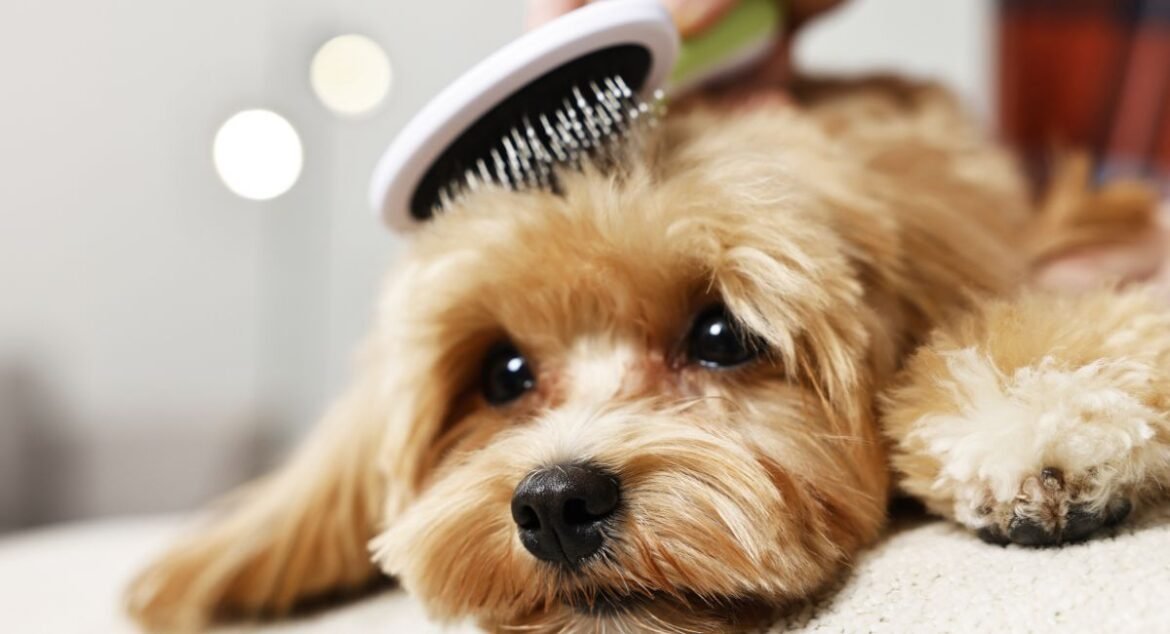
A proper dog brushing technique is one of the easiest ways to support your dog’s health at home. Many American pet owners brush their dogs to control shedding, reduce tangles, and keep their pets comfortable between professional grooming visits.
After working with different coat types, one lesson stands out: brushing is not about pulling through the coat quickly. It is about understanding the hair, using the right tool, and creating a calm routine your dog can trust.

Why the Right Dog Brushing Technique Matters
Brushing is more than making your dog look neat. A good dog brushing technique helps remove dead hair, dirt, and small debris trapped in the coat. It also gives you a chance to check your dog’s skin for unusual bumps, irritation, or dryness.
Dogs have different coat structures. A short-haired Labrador needs a different approach than a long-haired Golden Retriever or a double-coated Husky. Matching your method to your dog’s coat prevents discomfort and improves results.
- ✦ Reduces shedding
Regular brushing collects loose fur before it spreads around your home, furniture, and clothing.
- ✦ Prevents painful mats
Consistent brushing stops knots from tightening close to the skin where they can cause discomfort.
- ✦ Supports skin health
Brushing spreads natural oils through the coat and improves circulation on the skin surface.
Choose the Best Brush Before Starting
The brush you use plays a major role in your dog brushing technique. The wrong tool can pull hair, scratch sensitive skin, or fail to remove loose fur.
Professional groomers often keep several brushes because different coats need different care. A slicker brush, bristle brush, undercoat rake, and metal comb each serve a different purpose.

- ✦ Slicker brush
Works well for removing tangles and loose hair from medium and long coats.
- ✦ Undercoat rake
Helps remove thick undercoat fur from double-coated breeds during shedding seasons.
- ✦ Bristle brush
Good for short coats and finishing the grooming process by spreading natural oils.
Match the Brush to Your Dog’s Coat Type
Short coats usually need gentle brushing with soft bristles or rubber grooming tools. Long coats often need layered brushing to reach through the hair without damaging the coat.
- ✦ Double coats
Use tools that reach the loose undercoat without cutting or damaging healthy top hairs.
- ✦ Curly coats
Brush carefully because curls can hide small mats close to the skin.
Step-by-Step Dog Brushing Technique for Beginners
A calm and consistent routine makes brushing easier for both you and your dog. Start slowly, especially if your dog is not used to grooming.
The best dog brushing technique begins with gentle contact. Let your dog smell the brush first, then reward calm behavior before you begin.

- ✦ Step 1: Prepare your dog
Choose a quiet area and make sure your dog feels relaxed before brushing.
- ✦ Step 2: Brush small sections
Work through one area at a time instead of pulling through the entire coat at once.
- ✦ Step 3: Check sensitive areas
Pay extra attention around ears, legs, tail, and under the collar where mats often form.
Use Gentle Motions Instead of Force
Pulling hard through knots can hurt your dog and create a negative grooming experience. Hold tangled hair near the skin and work slowly from the ends upward when removing small knots.
- ✦ Brush with hair growth
Following the natural direction of the coat reduces pulling and keeps the process comfortable.
How to Brush Different Dog Coat Types
Every coat needs a slightly different dog brushing technique. Understanding your dog’s coat type helps you avoid over-brushing and missed problem areas.
Many grooming problems happen because owners use the same method for every breed. Coat length, texture, and shedding patterns should guide your routine.

- ✦ Short-haired dogs
Use short, gentle strokes several times a week to remove loose fur and keep the coat shiny.
- ✦ Long-haired dogs
Brush in layers and check underneath the top coat where hidden mats can develop.
- ✦ Thick-coated dogs
Spend more time reaching the undercoat during heavy shedding periods.
Common Dog Brushing Mistakes to Avoid
Even caring owners can make mistakes when brushing their dogs. Learning what to avoid improves comfort and helps protect the coat.
A good dog brushing technique focuses on patience. Brushing should never become a stressful experience for your pet.
- ✦ Brushing too aggressively
Hard strokes can irritate skin and make dogs afraid of grooming.
- ✦ Ignoring hidden areas
Mats often appear behind ears, under legs, and around collars.
- ✦ Using the wrong tool
A brush designed for another coat type may not work effectively.
How Often Should You Brush Your Dog?
The ideal brushing schedule depends on your dog’s breed, coat type, and lifestyle. Dogs that spend more time outdoors may need more frequent brushing because they collect more dirt and debris.
Many short-coated dogs do well with weekly brushing, while long-haired and heavy-shedding breeds may need brushing several times each week.

- ✦ Daily brushing
Useful for long coats, show dogs, or breeds that develop mats easily.
- ✦ Weekly brushing
Works well for many medium and short-coated dogs.
- ✦ Seasonal changes
Increase brushing during shedding seasons when loose fur increases.
