
Understanding dog gum anatomy helps owners notice early dental changes before they become painful problems. A dog’s gums do much more than cover the jaw. They create a protective seal around teeth and support the tissues that keep teeth stable.
From a veterinary dental perspective, checking the gums is one of the easiest ways to learn about a dog’s oral health. In many U.S. homes, regular gum checks during brushing or playtime can help owners spot redness, swelling, bleeding, or unusual color changes early.

What Is Dog Gum Anatomy?
Dog gum anatomy refers to the biological structure of the gums and nearby oral tissues that surround and protect a dog’s teeth. The gums are part of the periodontium, which includes several tissues that hold teeth in place.
The gums act as a barrier against bacteria. They connect tightly around each tooth and help prevent harmful substances from reaching deeper tissues.
- ✦ Gingiva
The gingiva is the visible gum tissue around a dog’s teeth. It protects the tooth-supporting structures below.
- ✦ Periodontal tissues
These tissues include the ligament, bone, and supporting structures that keep teeth attached to the jaw.
Why Gum Structure Matters
Healthy gum structure keeps bacteria away from sensitive tooth roots. When gums become damaged, bacteria can move deeper and cause infection.
Learning dog gum anatomy helps owners understand why dental care is important even when a dog appears comfortable.
The Main Parts of Dog Gum Anatomy
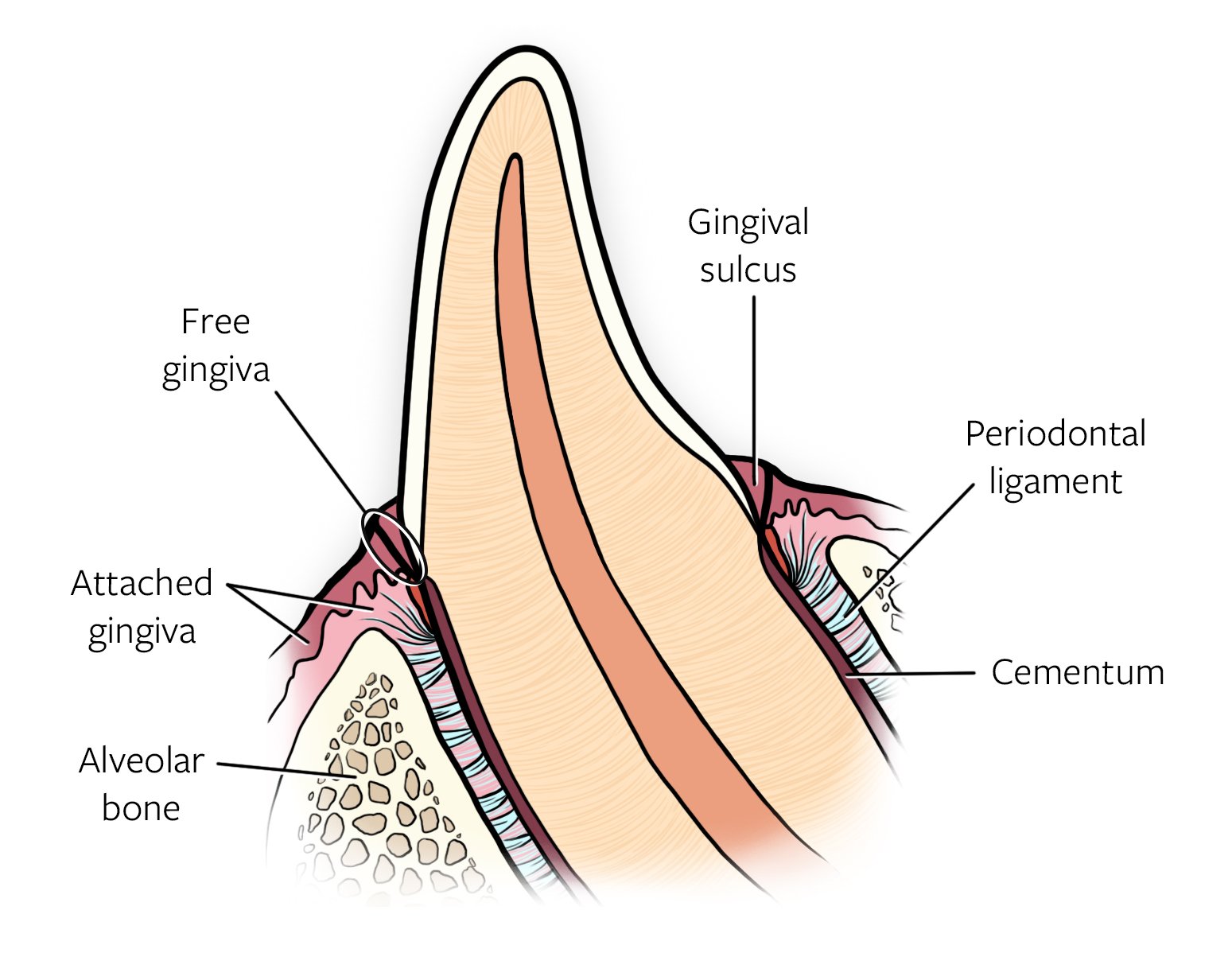
A complete understanding of dog gum anatomy requires looking at the different layers and areas around a tooth. Each part has a specific job in protecting the mouth.
The visible gum is only one part of a larger system that supports chewing, comfort, and dental function.

- ✦ Free gingiva
This is the gum edge that surrounds the tooth but is not directly attached to the tooth surface.
- ✦ Attached gingiva
This firm gum area connects closely with the jaw and helps resist damage from chewing.
- ✦ Gingival sulcus
This small space between the gum and tooth is checked by veterinarians during dental exams.
What Healthy Dog Gums Look Like
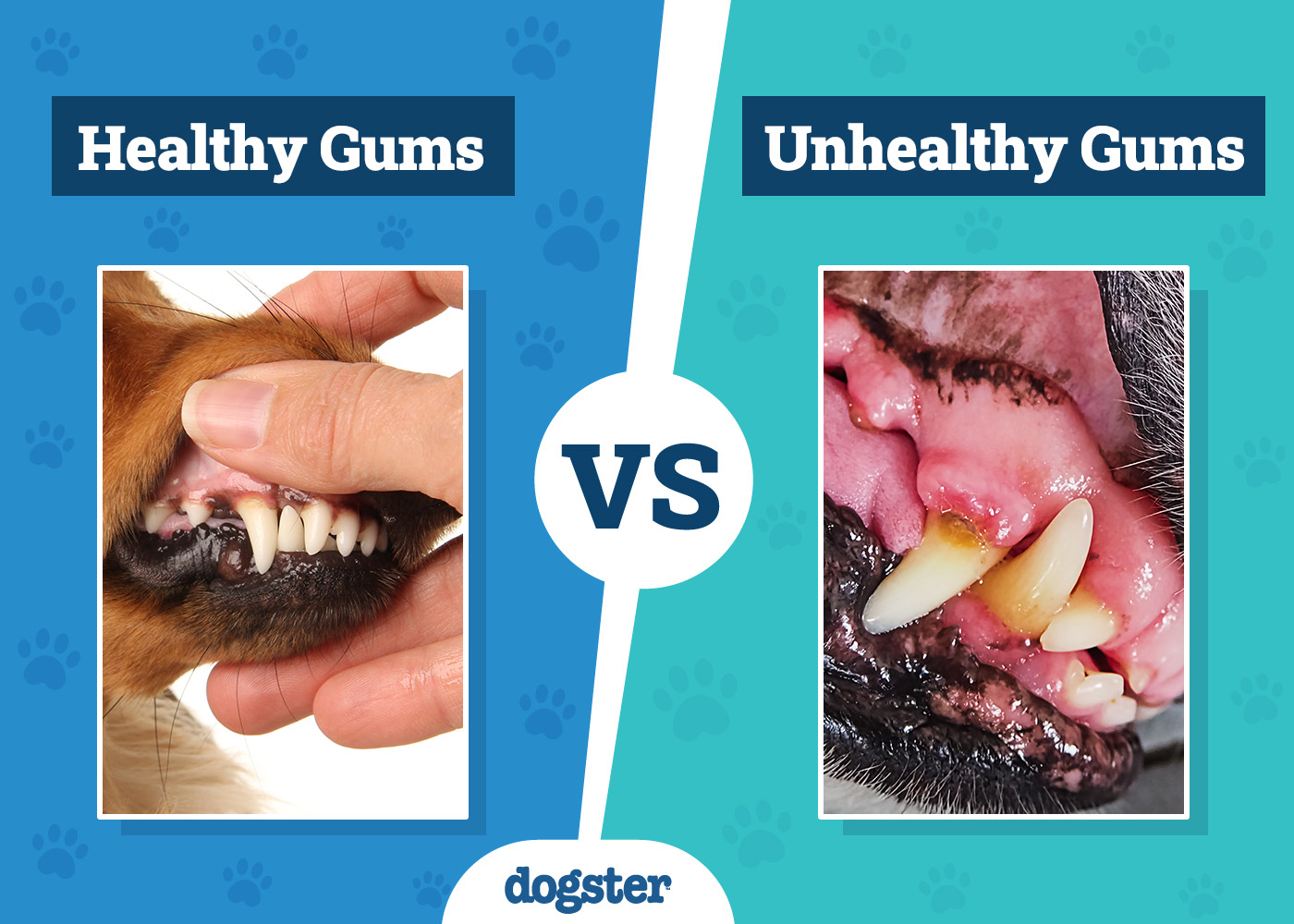
Healthy dog gums are usually pink, moist, and smooth. They should fit closely around the teeth without swelling or bleeding.
Checking dog gum anatomy at home does not replace veterinary care, but it can help owners notice changes between visits.
- ✦ Normal gum color
Most dogs have pink gums, although some breeds naturally have dark pigment spots.
- ✦ Healthy texture
Normal gums feel firm and should not appear loose, swollen, or painful.
Signs of Unhealthy Gums
Red, swollen, bleeding, or bad-smelling gums may indicate inflammation or infection. These signs often appear with plaque buildup and periodontal disease.
A dog may also show changes such as dropping food, chewing slowly, or avoiding hard treats.
- ✦ Redness
Red gums can suggest irritation or inflammation near the tooth line.
- ✦ Bleeding
Bleeding during brushing or eating is not considered normal and should be checked.
How Dog Gum Anatomy Connects With Dental Disease
Dog gum anatomy plays a major role in preventing dental disease. When plaque stays on teeth, bacteria can irritate the gum line and cause gingivitis.
Without care, inflammation can spread deeper into the tissues supporting the teeth. This condition is known as periodontal disease.
- ✦ Gingivitis
This is early gum inflammation caused by bacteria around the tooth surface.
- ✦ Periodontal disease
This affects deeper supporting tissues and can lead to tooth loss.
Common Causes of Gum Problems
The most common cause of gum disease in dogs is plaque buildup. Diet, genetics, age, and dental habits can also influence oral health.
Small dogs often need extra attention because their teeth may be crowded, making cleaning harder.
How to Care for Your Dog’s Gums
Good care starts with simple habits. Brushing your dog’s teeth with pet-safe toothpaste is one of the best ways to reduce plaque.
A complete dog gum anatomy approach includes cleaning, monitoring, and professional dental checks when needed.

- ✦ Brush regularly
Gentle brushing helps remove plaque before it hardens into tartar.
- ✦ Schedule dental exams
Veterinarians can check areas that owners cannot see during home inspections.
- ✦ Watch for changes
New swelling, odor, or chewing changes should receive attention.
Dog Gum Anatomy Differences Between Puppies and Adults
Puppies and adult dogs have different dental needs. Puppies lose baby teeth as permanent teeth develop, which changes the appearance of their gums.
Adult dogs have stronger tooth support structures, but they also face higher risks of plaque buildup over time.

- ✦ Puppy gums
Puppy gums support developing teeth and may appear irritated during teething.
- ✦ Adult gums
Adult gums need regular care to prevent chronic inflammation and dental disease.
