
Dog bonding behavior is one of the most important parts of a healthy relationship between a dog and a human. In my experience studying everyday dog interactions, I have noticed that strong bonds do not appear overnight. They grow through patience, safety, routine, and positive experiences.
For many dog owners in the United States, a dog is more than a pet. Dogs often become family members who share daily walks, home routines, and emotional moments. Understanding dog bonding behavior helps owners recognize what their dogs are trying to communicate.
A bonded dog does not only show excitement. True connection appears through calm trust, comfort, and the ability to feel safe around a person. Learning these signs can help create a stronger lifelong relationship.
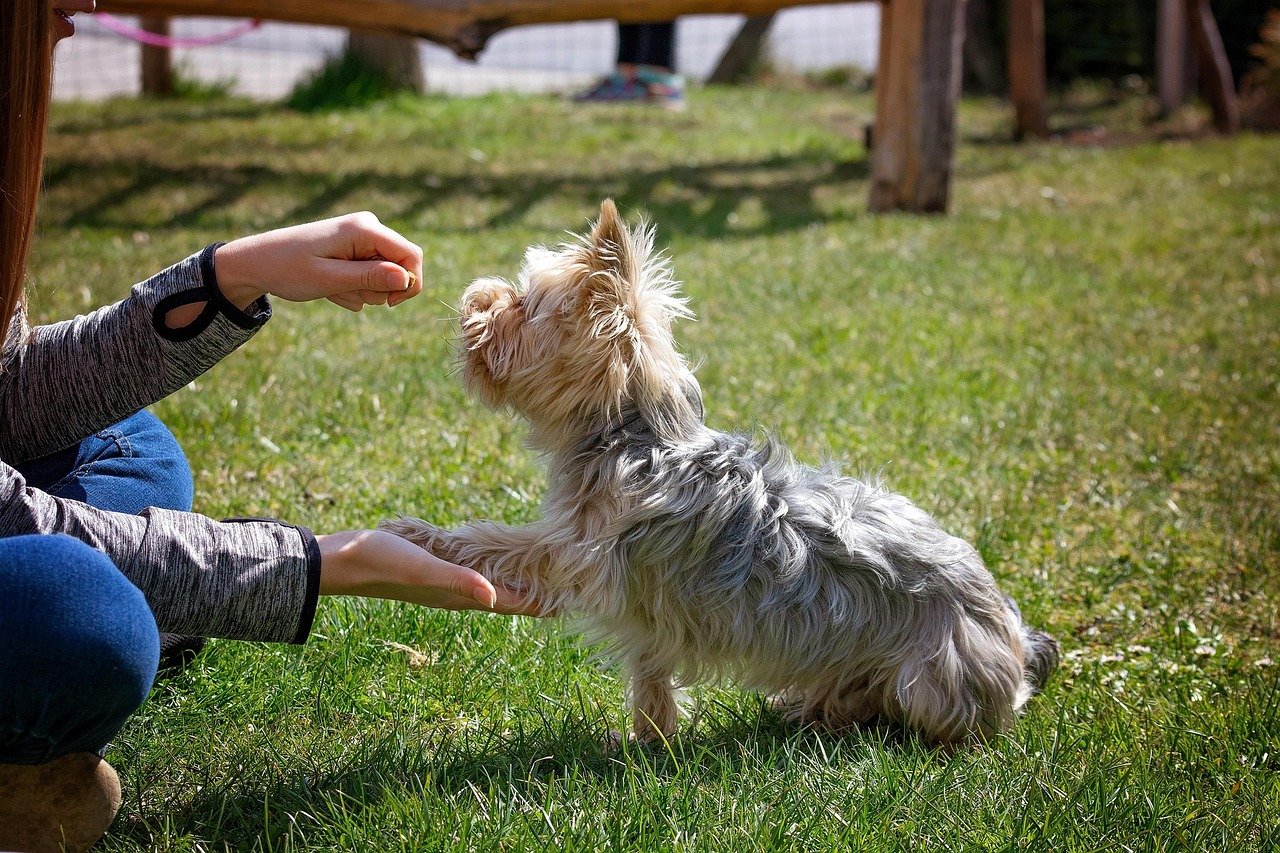
What Is Dog Bonding Behavior?
Dog bonding behavior refers to the actions and signals dogs use when they develop trust and attachment with humans. These behaviors can include seeking closeness, responding to a person’s voice, and showing comfort in their presence.
Dogs are social animals. They naturally build relationships with those who provide care, protection, food, play, and emotional support. A strong bond is based on trust rather than control.
Dog bonding behavior can look different depending on the dog’s personality, breed, age, and past experiences. Some dogs show affection openly, while others show connection in quiet ways.
- ✦ Trust
A bonded dog feels safe enough to relax, rest, and depend on their owner.
- ✦ Communication
Dogs use body language, eye contact, sounds, and actions to express their feelings.
- ✦ Emotional connection
Dogs often seek comfort and companionship from people they trust.
Why Dogs Form Bonds With Humans
Dogs have lived alongside humans for thousands of years. Over time, they developed strong social skills that help them understand human emotions and routines.
Daily care creates positive associations. Feeding, walking, training, and gentle attention all help strengthen dog bonding behavior.
Common Signs of Strong Dog Bonding Behavior
Many owners wonder how to know if their dog truly loves and trusts them. Dogs rarely use words, so their actions provide the clearest answers.
Dog bonding behavior often appears in small daily moments. A dog that chooses to stay near you, checks on you, or relaxes around you may be showing a deep connection.
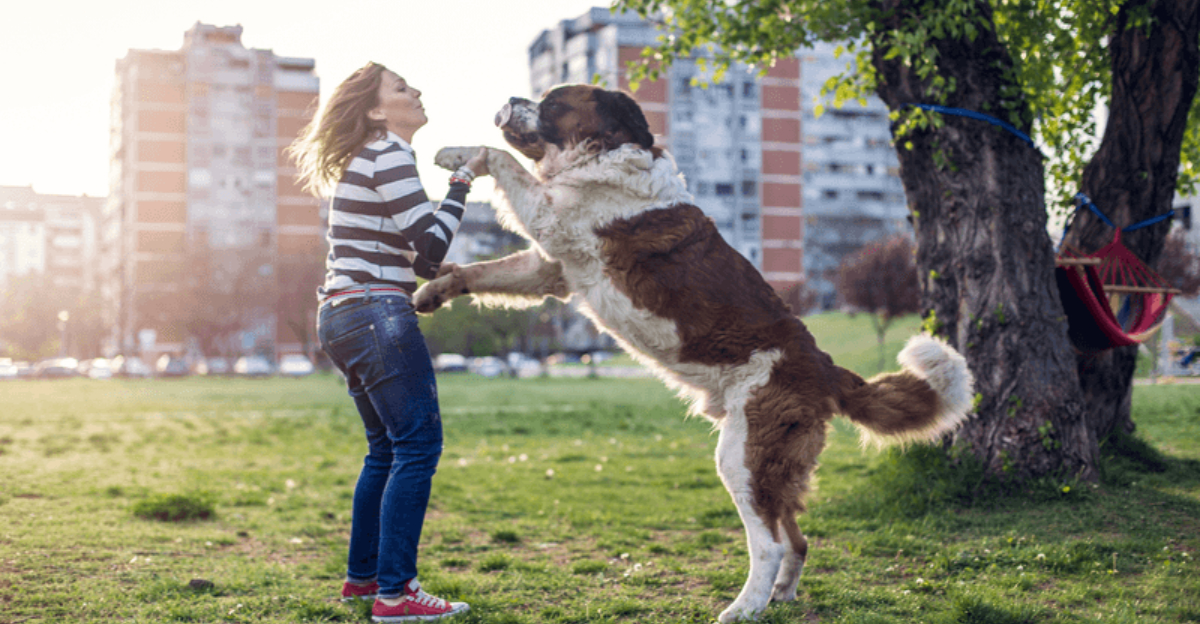
- ✦ Following you around
A dog may follow their owner because they enjoy companionship and feel secure nearby.
- ✦ Relaxing near you
Sleeping or resting close to a person is often a sign of trust.
- ✦ Seeking interaction
Bringing toys, asking for attention, or inviting play can show a desire for connection.
- ✦ Checking your emotions
Some dogs notice changes in human mood and respond with comfort or closeness.
How Dogs Build Trust and Emotional Attachment
Building a bond with a dog requires consistency. Dogs learn from repeated experiences, so calm and positive interactions create confidence over time.
Dog bonding behavior becomes stronger when owners understand their dog’s needs. A dog that feels heard and respected is more likely to develop a secure attachment.

- ✦ Use positive reinforcement
Reward good behavior with praise, treats, or play to create positive learning experiences.
- ✦ Create predictable routines
Regular feeding, walking, and rest times help dogs feel safe.
- ✦ Spend quality time
Simple activities like walks and games strengthen emotional connection.
The Role of Training in Bonding
Training is not only about commands. It is a way to communicate with your dog and build mutual understanding.
When training uses kindness and patience, it can improve dog bonding behavior by increasing trust and cooperation.
Dog Body Language That Shows a Strong Bond
Dogs communicate mostly through body language. Understanding these signals helps owners respond in ways that strengthen the relationship.
Not every friendly action means the same thing for every dog. Owners should look at the full situation, including posture, environment, and the dog’s normal personality.
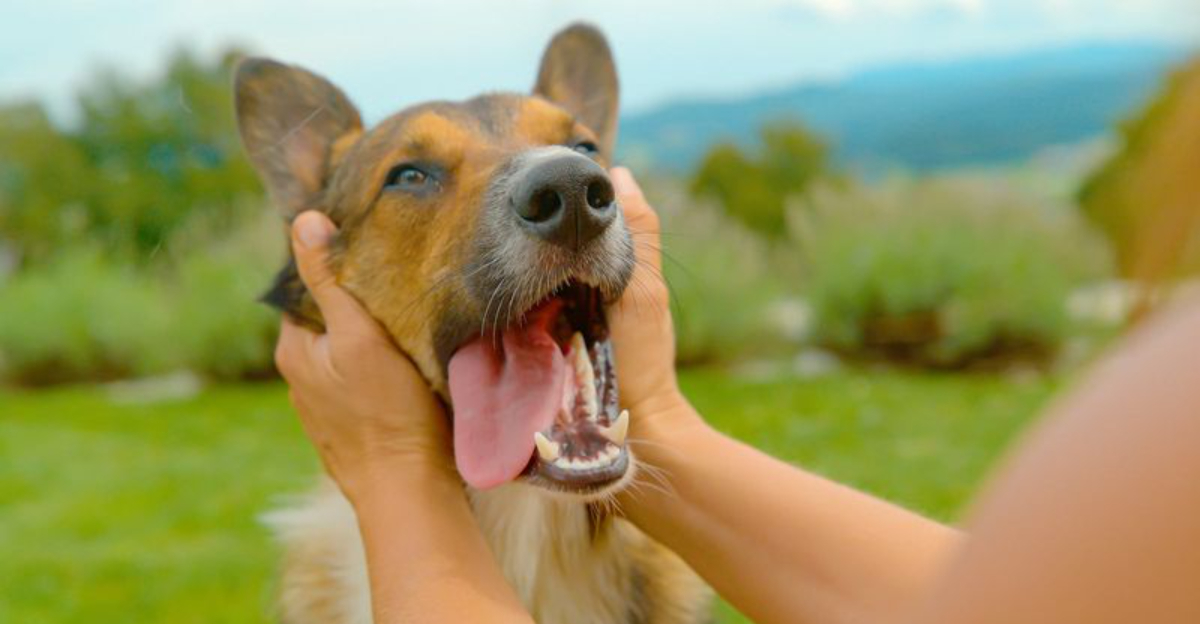
- ✦ Soft eye contact
Relaxed eye contact can show comfort and trust when the dog feels safe.
- ✦ Loose body posture
A relaxed body often means the dog feels calm around you.
- ✦ Leaning or staying close
Physical closeness may show that the dog enjoys your presence.
Factors That Affect Dog Bonding Behavior
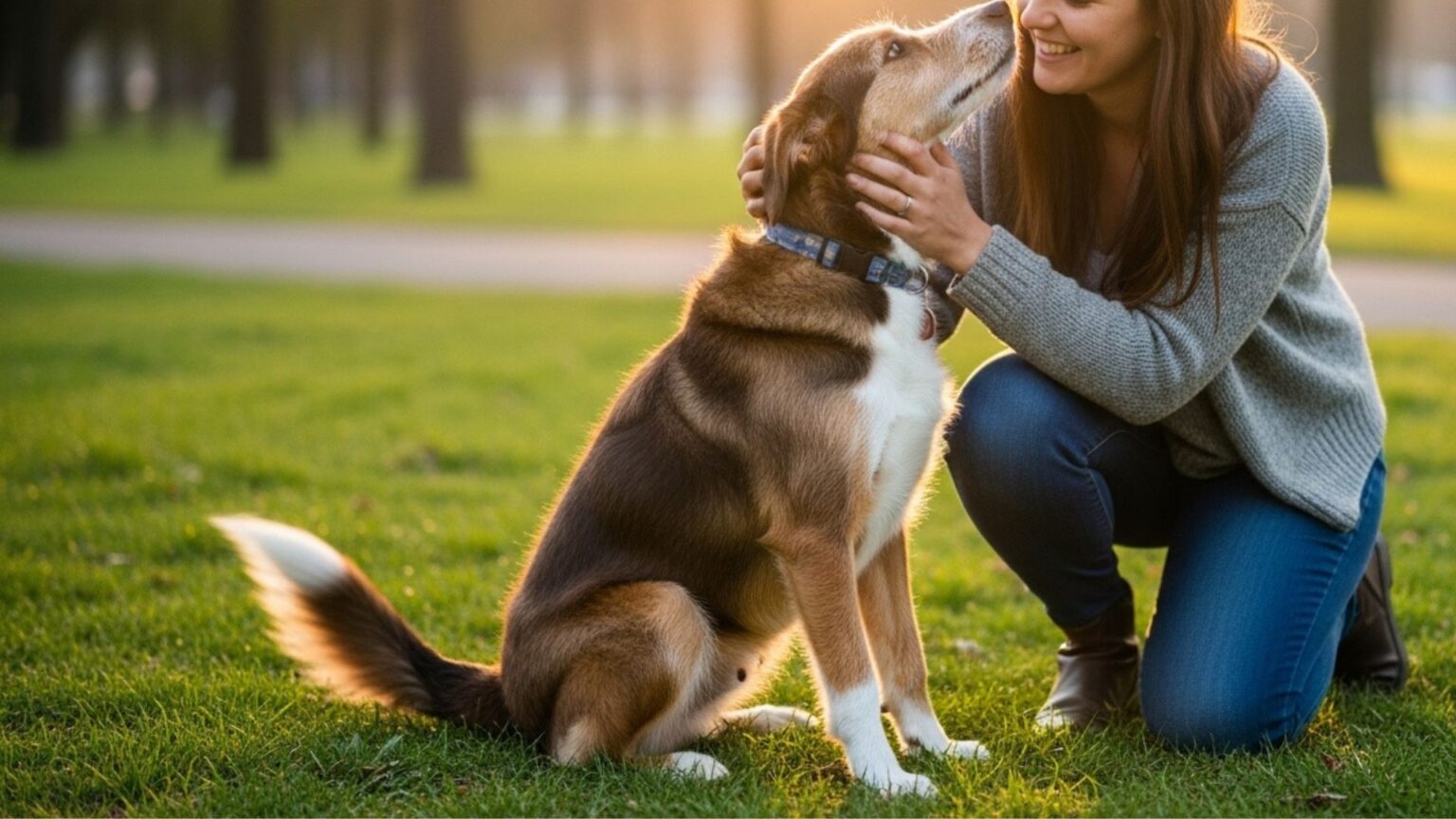
Every dog develops relationships at a different speed. Age, history, personality, breed traits, and previous experiences can influence how a dog connects with people.
Some rescue dogs may need extra time before they fully trust humans. Gentle care and patience can help them create new positive memories.
- ✦ Early experiences
Positive experiences during puppy development can support healthy social behavior.
- ✦ Past stress
Dogs with difficult histories may need slower introductions and extra patience.
- ✦ Individual personality
Some dogs are naturally independent while others seek constant interaction.
Ways to Strengthen Your Bond With Your Dog
A strong relationship grows through everyday choices. Owners do not need expensive tools or complex methods to improve dog bonding behavior.
Small moments of attention can create powerful results. A short training session, a calm walk, or a few minutes of play can help your dog feel connected.

- ✦ Play together
Interactive games help build trust and create positive memories.
- ✦ Learn your dog’s signals
Understanding emotions and body language improves communication.
- ✦ Respect personal space
Allowing your dog to rest and choose interaction builds confidence.
