
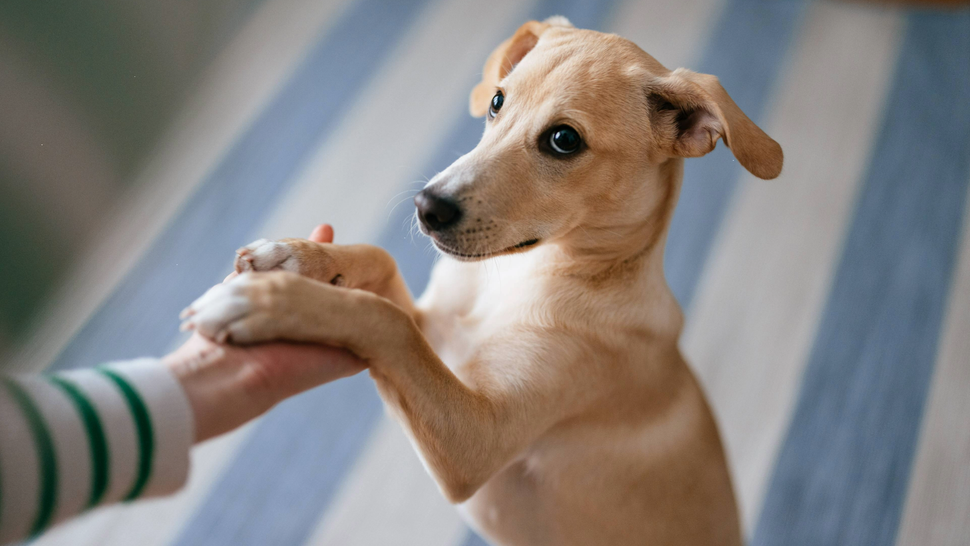
Dog greeting behavior shows how dogs communicate their feelings before they interact. A dog may wag its tail, sniff, bow, look away, or make soft sounds to share its mood. Understanding these signs helps owners build safer and stronger relationships with their pets.
From my experience studying dog behavior, many greeting problems happen because humans read dogs like people. Dogs do not always want hugs or face-to-face contact. A calm approach, respect for space, and attention to body signals create better greetings for dogs and humans.
 display: block; margin: 0 auto; border-radius: 12px; box-shadow: 0 8px 25px rgba(0, 0, 0, 0.12);”>
What Is Dog Greeting Behavior?
Dog greeting behavior refers to the ways dogs communicate when they meet humans, other dogs, or new animals. These greetings can include sniffing, tail movement, posture changes, barking, licking, and playful actions.
Every dog has a different greeting style. Some dogs rush forward with excitement, while others prefer to watch from a distance first. A dog’s age, personality, training, and past experiences all shape how it responds during greetings.

- ✦ Scent communication
Dogs use their powerful sense of smell to gather information about another dog or person.
- ✦ Body signals
Dogs show comfort or stress through their ears, tail, eyes, and body position.
- ✦ Social connection
Friendly greetings help dogs create trust and understand social boundaries.
Why Dogs Sniff During Greetings
Sniffing is one of the most important parts of dog greeting behavior. Dogs collect information about another animal through scent, including familiarity, mood, and recent activities.
- ✦ Natural behavior
Sniffing is normal and should not always be stopped unless it becomes unsafe.
How Dogs Greet Each Other
Dogs have their own social rules when meeting other dogs. A polite greeting often starts with a slow approach, curved movement, and careful sniffing instead of a direct rush.
Healthy dog greeting behavior between dogs includes giving each animal a chance to choose whether to interact. Forced greetings can create fear or conflict.

- ✦ Approaching calmly
Dogs often approach in an arc because a direct approach can feel intense.
- ✦ Reading signals
Dogs watch posture, facial expressions, and movement before deciding how to respond.
- ✦ Respecting space
Good greetings allow dogs to move away when they need a break.
The Role of Sniffing in Dog Social Behavior
Sniffing helps dogs understand each other. It is similar to reading a short message about another dog’s identity and emotional state.
- ✦ Information gathering
Dogs use scent to recognize familiar animals and learn about new ones.
How Dogs Greet Humans
Dogs often greet humans with excitement because people are important parts of their social world. A dog may wag its tail, bring a toy, jump, lick, or lean against someone.
However, excitement does not always mean a dog wants physical contact. Owners should look at the full body language before touching or hugging a dog.

- ✦ Tail movement
A relaxed wag can show happiness, while a stiff fast wag may show high excitement or tension.
- ✦ Eye contact
Soft eyes often show comfort, while hard staring can signal stress.
- ✦ Body posture
A loose body usually shows friendliness, while a stiff body needs careful attention.
Common Dog Greeting Signals and What They Mean
Learning dog greeting signals helps owners avoid misunderstandings. Many unwanted behaviors happen because people miss early signs of stress or excitement.
Dog greeting behavior becomes easier to understand when owners focus on the whole dog instead of one signal alone.

- ✦ Play bow
A dog lowers its front legs and raises its back end to invite play.
- ✦ Licking
Licking can show affection, excitement, or a request for attention.
- ✦ Yawning or turning away
These signals may show discomfort and a need for more space.
Friendly Versus Stressful Greetings
A friendly greeting usually looks loose and natural. Stressful greetings may include freezing, hiding, growling, repeated barking, or avoiding contact.
- ✦ Watch the complete picture
One behavior alone does not explain a dog’s emotion.
How to Teach a Dog Calm Greeting Behavior
Many dogs can learn better greeting habits with consistent training. The goal is not to remove excitement but to help dogs control their reactions.
Positive reinforcement works well because dogs learn that calm behavior brings rewards and attention.

- ✦ Reward calm behavior
Give treats or praise when your dog keeps four paws on the floor.
- ✦ Practice with visitors
Controlled practice helps dogs learn how to greet guests politely.
- ✦ Avoid punishment
Harsh reactions can increase fear and make greetings harder.
Helping Puppies Learn Social Greetings
Early social experiences help puppies understand how to interact with people and animals. Safe exposure builds confidence and reduces unwanted fear.
- ✦ Use positive experiences
Introduce puppies to new situations slowly and safely.
