
Dog pack behavior is one of the most misunderstood areas of canine science. Many dog owners in the United States hear the word pack and imagine strict dominance rules. Modern research shows that dogs are much more flexible. They build relationships based on trust, familiarity, resources, and shared experiences.
After working with dogs and studying canine behavior patterns, one lesson becomes clear: dogs are social animals that look for connection and guidance. A family dog does not see your home as a wolf pack. Instead, your dog learns who provides safety, food, play, and structure.
Understanding Dog pack behavior can help owners manage multi-dog homes, improve training, and recognize emotional needs. When you understand how dogs communicate, daily life with your pet becomes easier and more rewarding.
What Is Dog Pack Behavior?
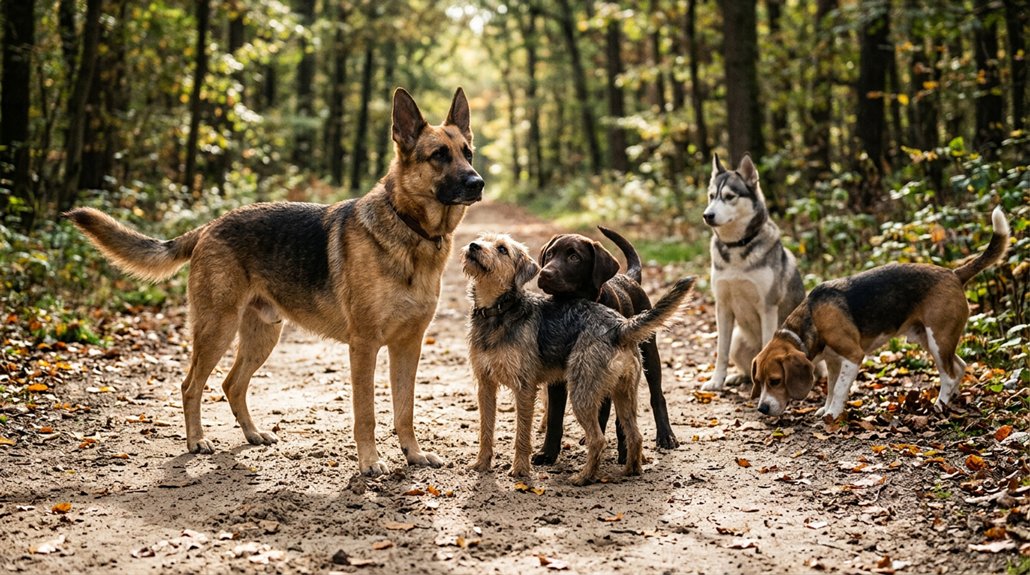
Dog pack behavior refers to the natural social habits dogs use when living with other dogs or humans. These habits include communication, cooperation, bonding, play, and conflict management.
Dogs evolved from social ancestors that lived in groups. However, modern dogs have changed through thousands of years of domestication. Their social lives now focus more on human relationships than on wild pack structures.

- ✦ Social connection
Dogs create strong emotional bonds with people and other animals they trust.
- ✦ Communication
Dogs use body language, sounds, scent, and behavior to share information.
- ✦ Cooperation
Dogs often work together during play, exploration, and daily routines.
Domestic Dogs and Wild Canine Groups
Wild canines and domestic dogs share some social traits, but they do not behave in exactly the same way. A pet dog living in an American home depends on humans for resources and guidance.
Comparing every dog interaction to wolves can create training mistakes. Dogs are unique animals with their own social skills and emotional needs.
- ✦ Different environments
Pet dogs live in human-created environments, which changes their social behavior.
How Dogs Communicate Within a Pack
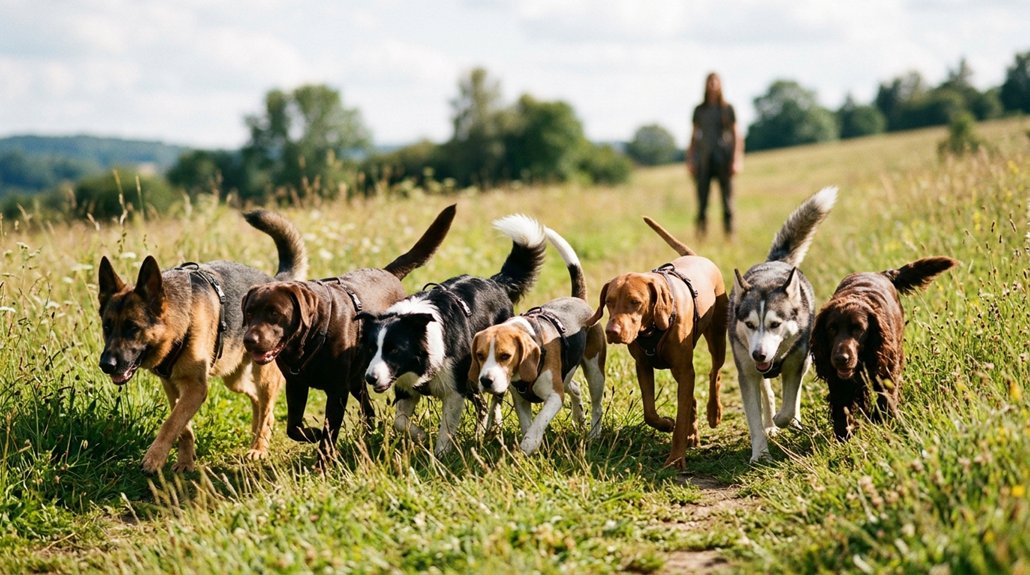
Communication is the foundation of Dog pack behavior. Dogs constantly exchange information through posture, facial expressions, movement, and sounds.
A skilled dog owner learns to notice small signals. A relaxed tail, soft eyes, or playful bow can show comfort, while stiff posture or avoidance may signal stress.
- ✦ Body language
Dogs communicate feelings through ears, tails, posture, and facial expressions.
- ✦ Vocal signals
Barking, whining, growling, and other sounds provide different messages.
- ✦ Scent communication
Dogs use smell to gather information about other animals and their environment.
Common Social Signals Between Dogs
Dogs use greetings, play behaviors, and calming signals to maintain peaceful relationships. These actions help dogs understand each other’s intentions.
For example, a play bow invites interaction, while turning away can show a desire for space.
- ✦ Play bow
A front-down and back-up posture that often means a dog wants to play.
- ✦ Calming signals
Behaviors like looking away or licking lips may reduce tension.
The Truth About Dominance and Alpha Dog Myths
One of the biggest myths about Dog pack behavior is that every dog wants to become the alpha. This idea has caused many owners to use harsh methods that can damage trust.
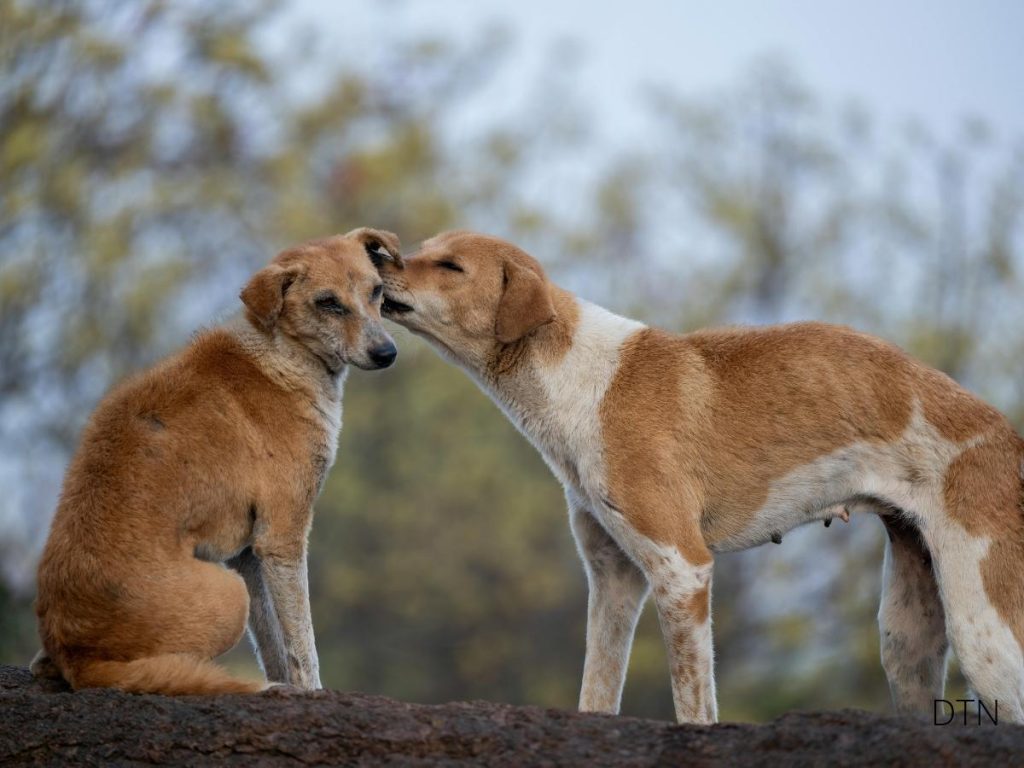
Dogs do have social relationships, but these relationships are not usually based on constant competition. Most dogs prefer cooperation and predictable routines.
- ✦ Leadership through trust
Dogs respond best to calm guidance, rewards, and clear expectations.
- ✦ Avoid fear-based training
Punishment can increase stress and harm the human-dog relationship.
- ✦ Build confidence
Training helps dogs understand rules while feeling secure.
What Healthy Leadership Looks Like
A healthy relationship with your dog comes from consistency. Owners provide structure by setting routines, teaching skills, and meeting physical and emotional needs.
A dog does not need an owner who acts like a pack boss. A dog needs someone who provides safety and reliable communication.
- ✦ Positive guidance
Reward-based training encourages better behavior without creating fear.
Dog Pack Behavior in Multi-Dog Homes
Many American households have more than one dog, making it important to understand group dynamics. Dogs living together create their own relationships based on personality, age, energy level, and experiences.
Some dogs become close companions, while others simply learn to share space peacefully. A successful multi-dog home does not require every dog to be best friends.

- ✦ Resource management
Owners should manage food, toys, and attention to reduce competition.
- ✦ Individual needs
Each dog needs personal training, exercise, and bonding time.
- ✦ Slow introductions
New dogs should meet gradually in controlled environments.
Signs of Healthy Dog Relationships
Healthy dog relationships often include relaxed body language, shared play, and comfortable resting near each other.
Owners should watch for repeated tension, guarding behaviors, or fear because these signs may require professional help.
- ✦ Positive interaction
Dogs choose to spend time together without pressure.
How Humans Fit Into Dog Pack Behavior
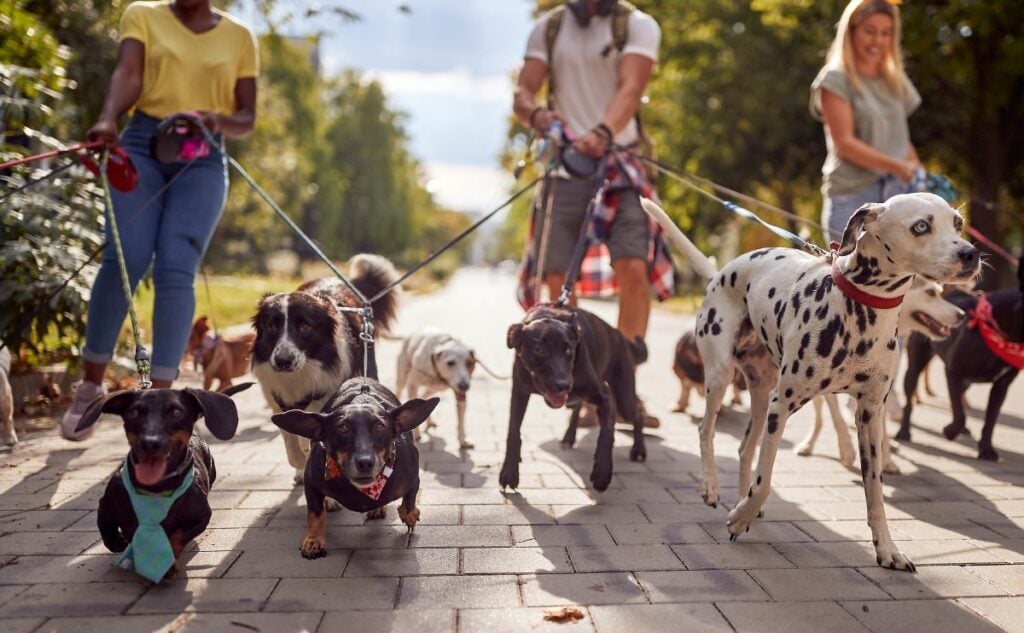
Dogs often include humans in their social world. They depend on people for food, protection, learning, and emotional support.
The best way to become a trusted figure is through patience and consistency. Daily routines help dogs understand what to expect.
- ✦ Create routines
Regular feeding, walking, and training schedules help dogs feel secure.
- ✦ Provide enrichment
Mental games and activities reduce boredom and unwanted behavior.
- ✦ Practice communication
Clear signals help dogs understand human expectations.
Building a Strong Human-Dog Bond
A strong bond develops through shared experiences. Walks, training sessions, play, and calm time together all strengthen trust.
Dogs remember how people make them feel. Positive interactions create a relationship where learning becomes easier.
- ✦ Trust-based relationship
Dogs learn best when they feel safe and understood.
