
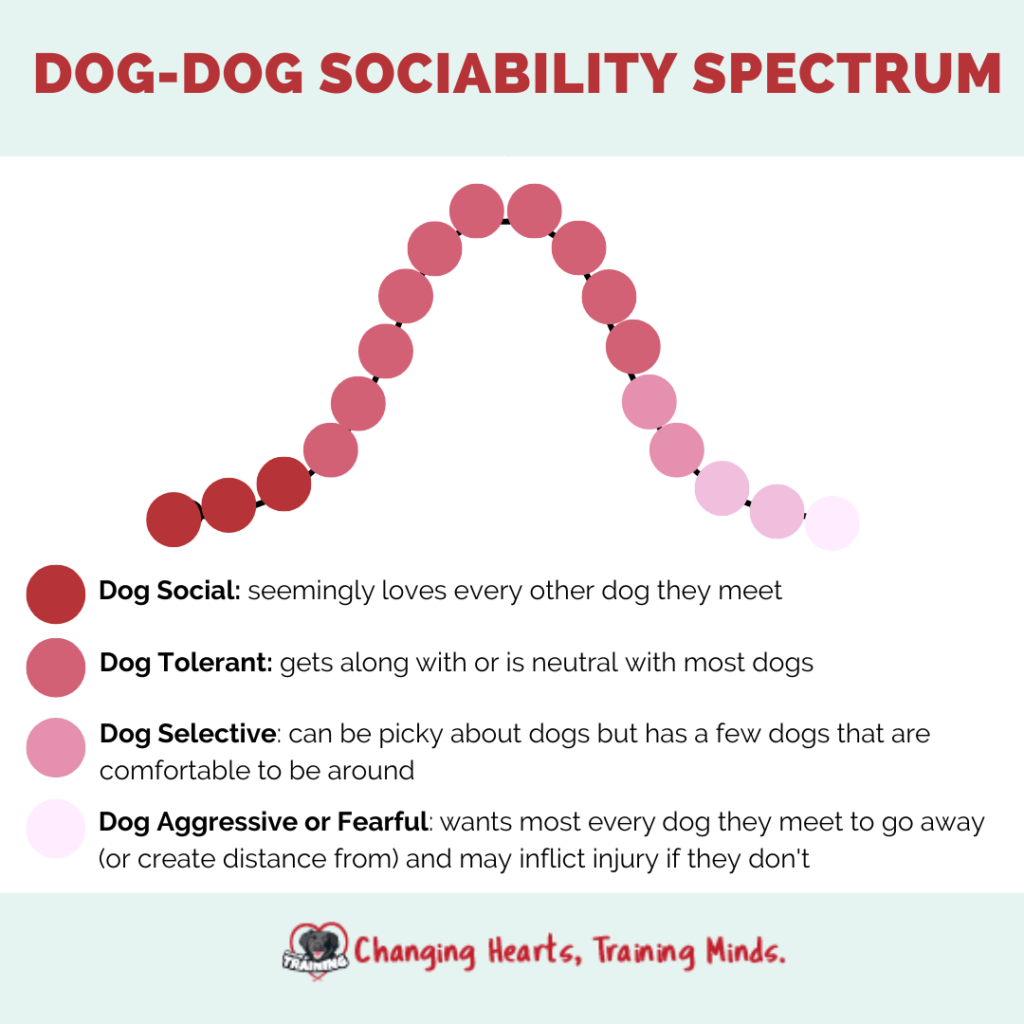
Many dog owners in the United States wonder if their pets have a strict leader or an “alpha” dog in the home. Modern canine behavior research shows that dog relationships are more flexible than a simple ranking ladder. Dogs create social patterns based on confidence, experience, resources, and personal bonds.
After working with dogs and studying behavior patterns, one lesson becomes clear: understanding dog social hierarchy is less about finding the boss and more about learning how dogs communicate. A peaceful household comes from meeting each dog’s needs and teaching respectful interactions.
Dogs living in families, shelters, and multi-dog homes develop unique social systems. These systems change over time as dogs age, gain confidence, or experience new situations.
What Is Dog Social Hierarchy?
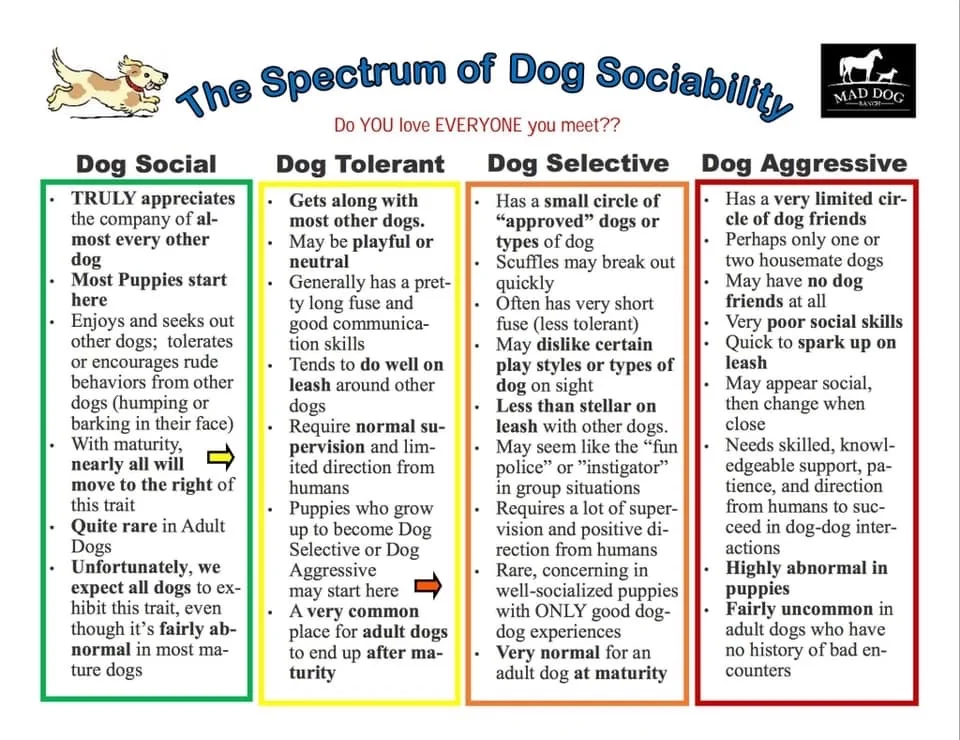
Dog social hierarchy refers to the way dogs form relationships and decide how they interact with each other. These relationships are not always fixed. A dog that controls access to a toy may not control other parts of social life.
Unlike old ideas about a strict alpha system, modern experts view dog social hierarchy as a network of social connections. Dogs use signals, habits, and past experiences to understand each other.
- ✦ Social relationships
Dogs build relationships through trust, familiarity, play, and shared experiences.
- ✦ Flexible roles
A dog’s role can change depending on the situation, environment, and other dogs involved.
- ✦ Communication first
Dogs rely on body language and signals instead of constant physical competition.
Why The Alpha Dog Idea Is Misunderstood
The idea that every group of dogs has one dominant leader came from early studies of captive wolves. Those situations did not fully represent natural family groups or modern pet dogs.
Pet dogs live closely with humans and have evolved different social skills. A confident dog may appear like a leader, but confidence does not always mean dominance.
How Dogs Create Social Order
Dogs create social order through repeated interactions. They learn who enjoys certain games, who prefers space, and who controls specific resources. These patterns help reduce stress.
In a typical American household with multiple dogs, owners may notice one dog starts play, another chooses resting spots, and another avoids conflict. Each dog may have a different social role.

- ✦ Body language
Posture, eye contact, tail movement, and facial expressions help dogs share their feelings.
- ✦ Resource sharing
Food, toys, resting areas, and human attention can influence dog interactions.
- ✦ Personal history
Training, age, breed traits, and previous experiences shape social behavior.
Signs of Healthy Dog Social Hierarchy
A healthy dog social hierarchy does not mean one dog controls everything. Instead, it usually looks calm and predictable. Dogs understand boundaries and can share space without constant tension.
Owners should look for relaxed interactions rather than forced obedience. Dogs that feel safe often show loose body movements, normal play behavior, and the ability to walk away from conflict.

- ✦ Respectful communication
Dogs use warnings, pauses, and signals before conflicts happen.
- ✦ Balanced interaction
Healthy dogs can play, rest, and interact without constant competition.
- ✦ Emotional safety
Dogs should feel secure around other pets and family members.
Signs Of Social Stress
Some dogs struggle in social groups. Stress may appear through hiding, avoiding another dog, excessive barking, guarding items, or repeated tension.
These behaviors do not always mean a dog wants to be dominant. They often show fear, uncertainty, or a need for better management.
- ✦ Resource guarding
A dog may protect food, toys, or resting areas because of insecurity.
- ✦ Avoidance
A dog may create distance when another dog feels overwhelming.
Dog Social Hierarchy In Multi-Dog Homes
Many families in the US share their homes with two or more dogs. Managing these relationships requires understanding each dog’s personality instead of trying to create a forced ranking system.
Owners can support healthy dog social hierarchy by providing separate resources, supervising early interactions, and rewarding calm behavior.

- ✦ Provide separate resources
Give dogs individual food bowls, resting areas, and safe spaces.
- ✦ Avoid forced sharing
Allow dogs to have personal boundaries during meals and play.
- ✦ Reward calm behavior
Positive reinforcement helps dogs learn peaceful habits.
Introducing A New Dog
A slow introduction helps dogs build trust. Meeting in neutral areas, using short sessions, and watching body language can prevent problems.
Every dog adjusts differently. Some become friends quickly, while others simply learn to peacefully share space.
How Humans Fit Into Dog Social Hierarchy
Dogs do not see humans exactly like other dogs. Human-dog relationships are based on care, training, trust, and communication rather than canine ranking.
A good owner provides clear rules and consistent guidance. This creates security and helps dogs understand what is expected.
- ✦ Leadership through care
Dogs respond well to calm guidance, predictable routines, and positive training.
- ✦ Clear communication
Simple commands and rewards help dogs understand human expectations.
Common Myths About Dog Social Hierarchy
Many myths about dog social hierarchy still influence training advice. Some outdated methods focus on punishment or trying to show physical control over dogs.
Modern training focuses on understanding behavior, improving communication, and creating trust between dogs and people.
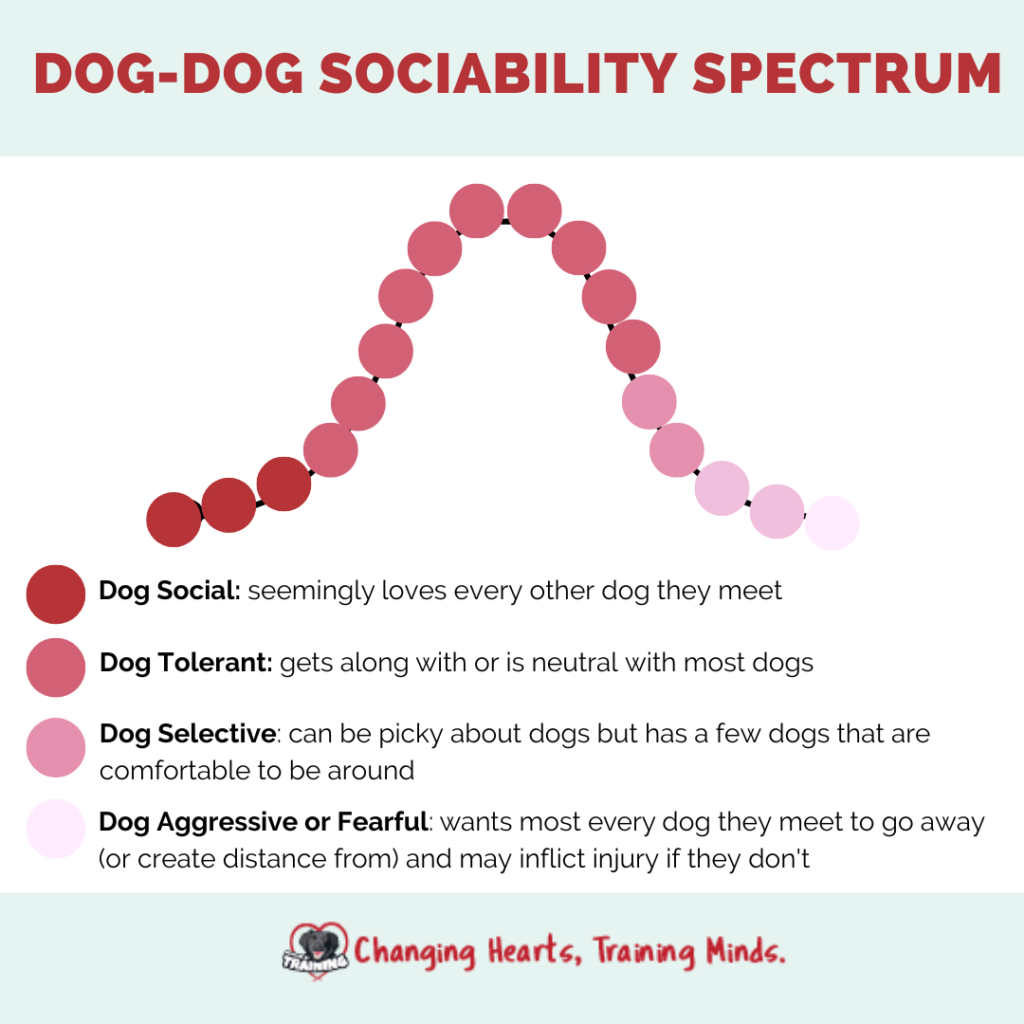
- ✦ Myth: One dog must always be alpha
Dogs often have flexible relationships that change across situations.
- ✦ Myth: Dominance explains all problems
Fear, stress, learning history, and environment often influence behavior.
- ✦ Myth: Punishment creates respect
Reward-based training often creates clearer communication and stronger bonds.
