
Dog marking behavior often confuses owners because it looks similar to normal urination. The key difference is that marking usually involves small amounts of urine placed on specific objects, areas, or locations. Dogs use scent to share information with other animals and respond to changes around them.
After working with dog owners and studying common behavior patterns, I have found that many marking problems improve when people stop viewing the action as disobedience. Dogs are communicating. The goal is to understand the message and guide better habits through calm training.

What is dog marking behavior?
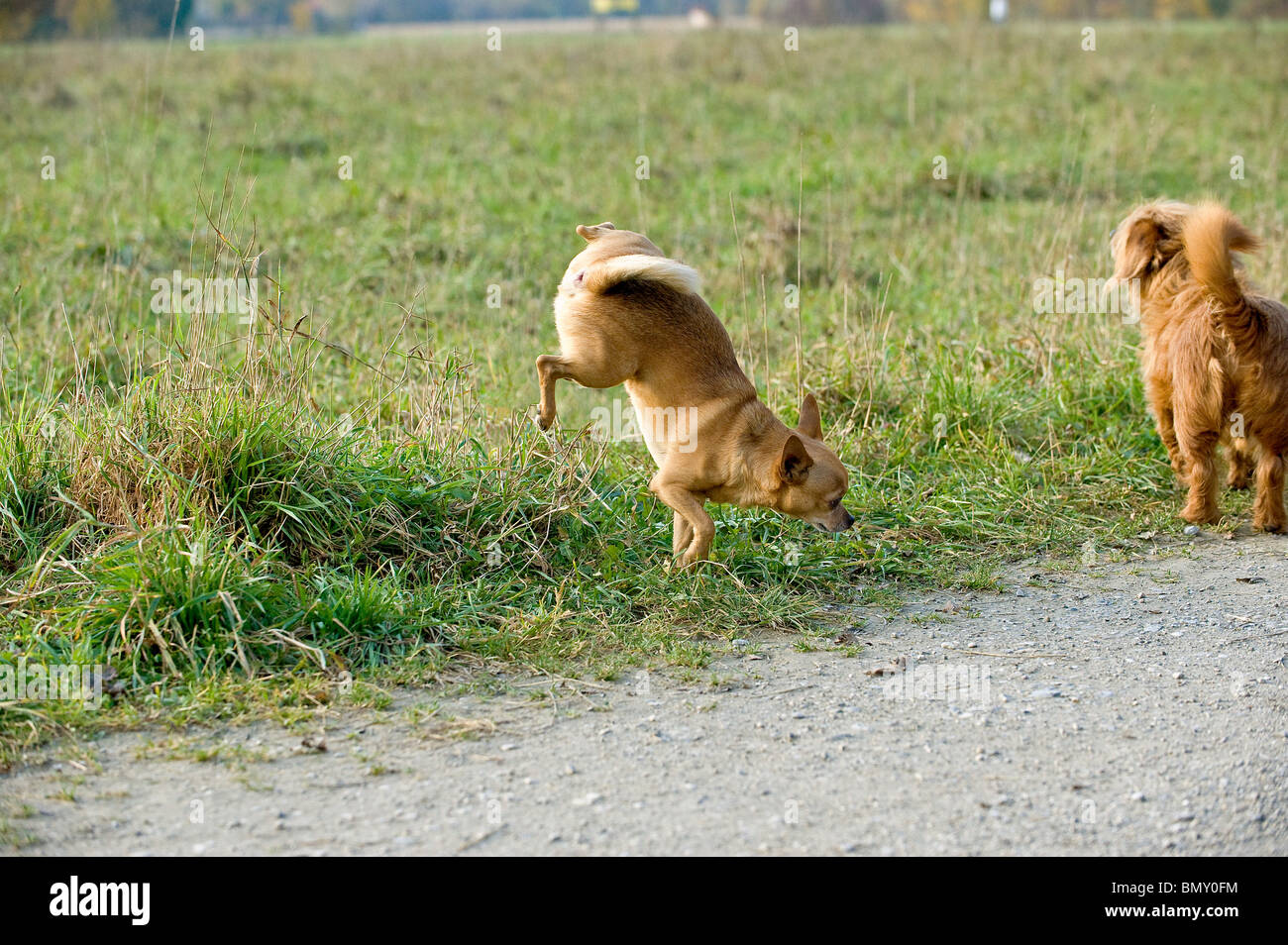
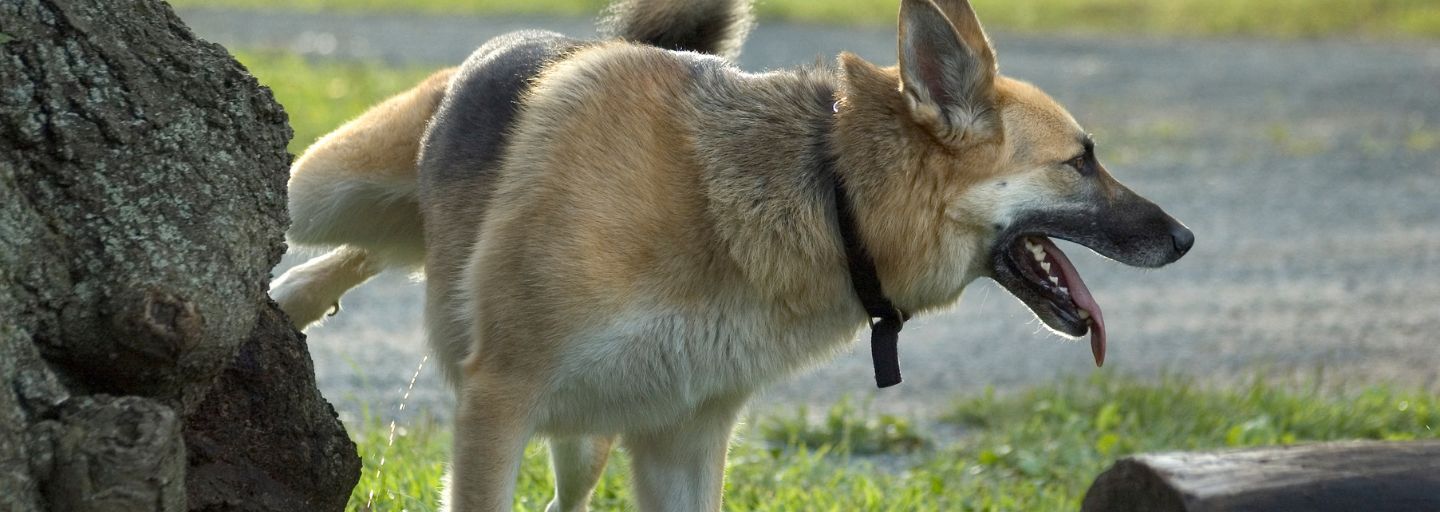
Dog marking behavior happens when a dog deposits a small amount of urine to leave a scent message. This behavior is common in many dogs and is part of natural canine communication.
Unlike a full bladder release, marking usually happens in small amounts. A dog may choose corners, furniture, doors, plants, or areas where other animals have been.
- ✦ Communication
Dogs use scent marks to share information about their presence, identity, and emotional state.
- ✦ Location choice
Dogs often select noticeable places because scent messages are more useful in active areas.
Marking versus normal urination
Normal urination is mainly about removing waste. Marking is usually about sending a message. A dog that empties the bladder outside during a walk may still mark several times afterward.
- ✦ Normal bathroom behavior
Usually involves a larger amount of urine and a clear need to relieve the bladder.
- ✦ Marking behavior
Usually involves small amounts placed on selected objects or areas.
Why do dogs mark their territory?
Many owners assume dog marking behavior only happens because a dog wants to claim ownership. Territory can play a role, but dogs mark for many reasons, including social communication and emotional reactions.
A dog may mark after moving to a new home, meeting unfamiliar dogs, or noticing new smells. Changes in routine can also increase marking because scent helps dogs understand their surroundings.
- ✦ Territorial reasons
Dogs may mark areas where they want to communicate their presence to other animals.
- ✦ Social messages
Scent marks can provide information about other dogs nearby.
- ✦ Environmental changes
New furniture, visitors, pets, or homes can trigger marking.
How scent communication works
A dog’s nose is highly sensitive, so scent carries important information. Urine contains chemical signals that other dogs can detect. These signals help dogs learn about nearby animals.
Common causes of indoor dog marking behavior
Indoor marking is one of the most frustrating forms of dog marking behavior for families. It can happen even in dogs that are fully house trained.
Finding the trigger is the first step. Punishment often makes the problem worse because stress can increase the urge to mark.

- ✦ New pets
A new dog or cat in the home can create social pressure and encourage marking.
- ✦ Anxiety
Stress from separation, visitors, or changes may lead to more scent marking.
- ✦ Unfamiliar smells
Outside animal scents brought indoors can encourage dogs to respond with their own marks.
Why male dogs often mark more
Male dogs, especially unneutered males, are often more likely to display marking behavior. However, female dogs can also mark. Individual personality and environment matter more than gender alone.
Signs your dog is marking instead of having an accident
Recognizing the signs of dog marking behavior helps owners choose the right solution. A marking pattern usually looks different from a house training mistake.
Dogs that mark often return to the same spots or target objects with strong smells. They may sniff carefully before leaving a small amount of urine.

- ✦ Small urine amounts
Marking usually leaves a small spot rather than a large puddle.
- ✦ Repeated locations
Dogs often revisit the same areas after detecting previous scents.
- ✦ Sniffing before marking
Focused sniffing is often a sign that a dog is collecting scent information.
How to stop unwanted dog marking behavior
Reducing dog marking behavior requires patience and consistency. The best approach combines management, training, and addressing the reason behind the behavior.
Owners should focus on preventing opportunities to mark while teaching dogs what behaviors are rewarded. Positive training usually creates better long-term results than punishment.

- ✦ Clean marked areas
Use an enzymatic cleaner to remove odor traces that may attract repeat marking.
- ✦ Reward good choices
Praise and reward outdoor bathroom habits and calm behavior.
- ✦ Limit access
Temporarily block access to common marking areas while training continues.
Training techniques that help
A simple routine can help dogs understand expectations. Take the dog outside regularly, reward successful outdoor elimination, and watch for early signs like sniffing or searching for corners.
- ✦ Supervision
Close observation helps prevent repeated indoor marking.
- ✦ Consistency
Daily routines make expectations easier for dogs to understand.
Does neutering or spaying affect dog marking behavior?
Hormones can influence dog marking behavior, especially in some male dogs. Neutering may reduce marking in certain cases, but it is not a guaranteed solution.
A complete approach includes training, environmental management, and understanding the dog’s motivation. A veterinarian can help discuss health and behavior options.

- ✦ Hormonal influence
Hormones may increase the motivation to leave scent messages.
- ✦ Individual response
Every dog responds differently depending on age, habits, and environment.
When dog marking behavior may need professional help
Most marking problems can improve with proper training, but sudden changes may require veterinary attention. A dog that suddenly begins urinating indoors could have a medical issue.
Professional trainers and veterinary behavior specialists can help when marking is linked to fear, anxiety, or complex household situations.
- ✦ Sudden behavior changes
A sudden increase in indoor urination should be checked carefully.
- ✦ High stress situations
Dogs with severe anxiety may need a structured behavior plan.
