
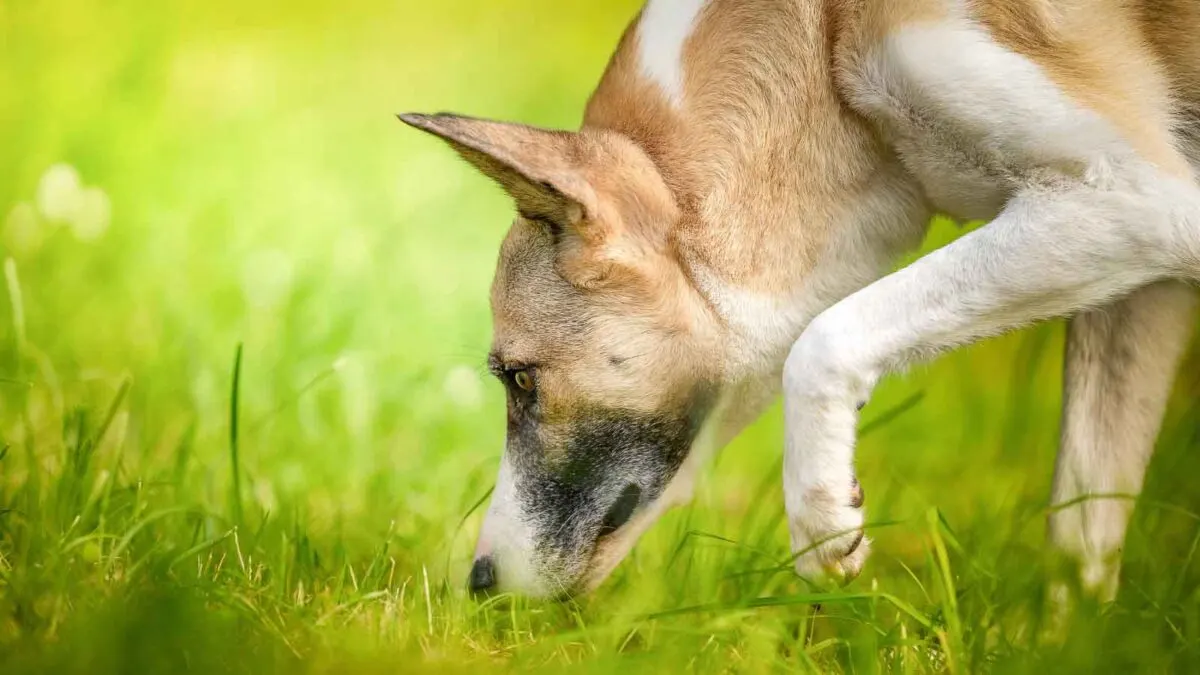
Dog scent communication is one of the most important ways dogs understand the world around them. While humans rely mostly on sight and sound, dogs use their powerful sense of smell to collect information. A simple sniff during a walk can tell a dog a story about who passed by, what happened nearby, and which animals are in the area.
From my experience studying canine behavior, I have found that many misunderstandings happen because people overlook the role of smell in a dog’s life. A dog that stops to sniff a tree, another dog’s greeting area, or a new object is not wasting time. The dog is reading its environment.
For American dog owners, understanding Dog scent communication can make daily routines easier. Allowing safe sniffing during walks, using scent games, and respecting natural behaviors can support a dog’s mental health and build stronger trust between dogs and humans.
What is dog scent communication?
Dog scent communication is the process of using smells and chemical signals to exchange information. Dogs produce and detect many natural odors through glands, urine, feces, skin oils, and other body secretions.
These scent messages work like invisible notes left in the environment. Another dog can investigate the smell and learn details about the animal that left it behind.
Unlike human language, scent communication does not need direct contact. A dog may understand information from another dog that passed through an area hours earlier.
- ✦ Identity information
Scent can help dogs recognize individual animals and learn whether they know a particular dog.
- ✦ Emotional signals
Dogs may detect changes linked to stress, fear, excitement, or other emotional states.
- ✦ Environmental awareness
Odors help dogs understand what animals, people, and objects are nearby.
Why smell is so important to dogs
A dog’s nose is designed for detailed scent analysis. When a dog sniffs, it can separate different smells instead of experiencing one general odor.
This ability allows dogs to explore places, recognize familiar individuals, and make decisions based on scent information.
How dogs use scent to communicate with each other
Dogs exchange information through many scent behaviors during daily life. Meeting another dog often involves sniffing because dogs are collecting details before deciding how to respond.
A dog’s scent profile can reveal information about age, sex, health status, and recent experiences. This is why dogs often spend time investigating another dog’s scent before playing.
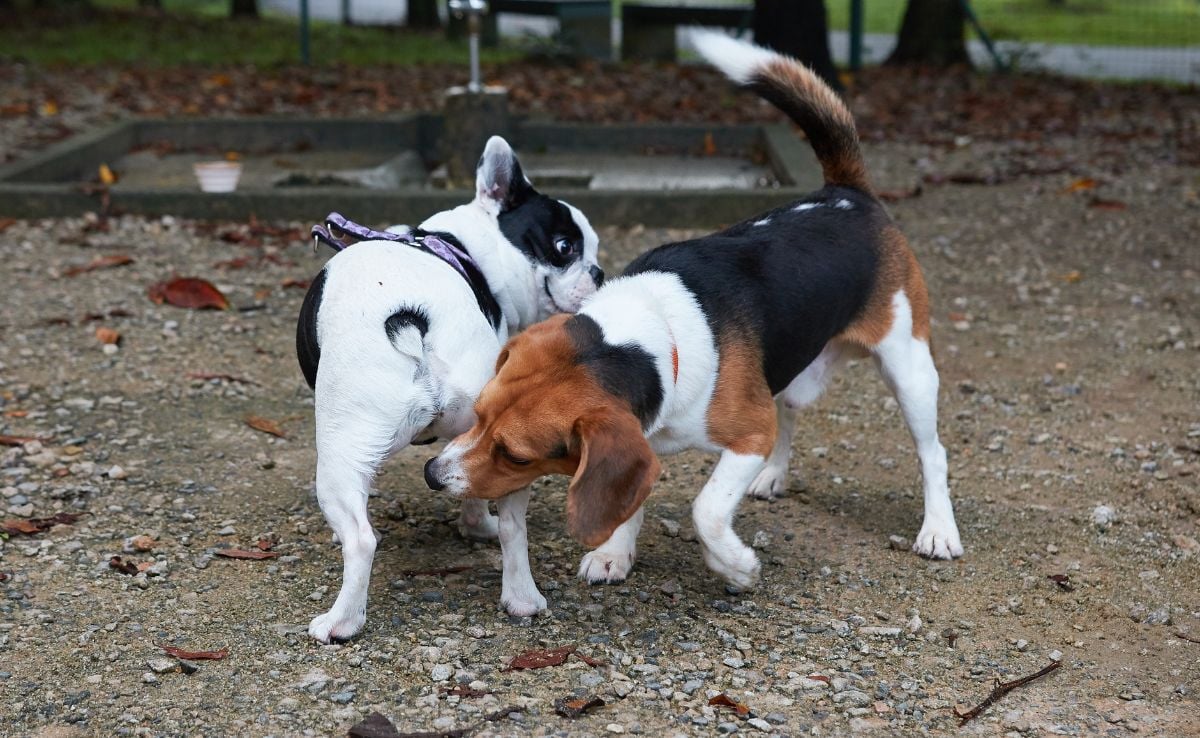
- ✦ Greeting through smell
Dogs often sniff faces and rear areas because these locations contain important scent information.
- ✦ Learning social information
Scent helps dogs recognize familiar dogs and understand new social situations.
Why dogs sniff each other during greetings
Sniffing is a natural canine greeting behavior. It helps dogs gather information before choosing whether to interact, play, or keep distance.
Owners should avoid forcing dogs to greet when one dog appears uncomfortable. Natural scent investigation works best when dogs have space and choice.
Scent marking: how dogs leave messages
Scent marking is one of the clearest examples of Dog scent communication. Dogs leave their scent in places where other animals may visit.
Urine marking is not simply about claiming ownership. It can provide information about who was there and when the scent was left.
Both male and female dogs can use scent marking. The behavior can appear more often in areas with many unfamiliar dogs or new smells.

- ✦ Urine marking
Dogs leave small amounts of urine in specific locations to communicate with other animals.
- ✦ Paw and body scents
Dogs can also leave scent through glands around their paws and skin.
- ✦ Repeated investigation
Dogs may revisit scent areas to gather updated information.
The role of sniffing in dog behavior and mental health
Sniffing is not only a communication method. It is also a mental activity that helps dogs process information and stay engaged.
Many trainers use scent games because they allow dogs to use natural skills. Searching for hidden treats or objects can create focus and confidence.
A walk that includes time for sniffing may be more rewarding for a dog than a fast walk with no exploration.

- ✦ Mental stimulation
Scent activities challenge the brain and encourage problem-solving.
- ✦ Stress reduction
Calm sniffing activities may help dogs relax during controlled situations.
How scent games support training
Scent games can be added to home training routines with simple items such as toys, treats, and safe containers.
These activities reward natural curiosity and can help build a stronger connection between dogs and owners.
How humans can understand dog scent communication
People cannot experience smells the same way dogs do, but we can learn to respect scent-based behaviors. A dog stopping to sniff is usually gathering information, not ignoring the owner.
Many common training mistakes happen when people interrupt natural exploration too often. Giving dogs safe opportunities to sniff can improve walks and reduce frustration.
Understanding Dog scent communication helps owners see behavior from the dog’s perspective.

- ✦ Allow sniff breaks
Give your dog moments during walks to explore safe smells.
- ✦ Use scent enrichment
Try scent games to provide healthy mental exercise.
- ✦ Watch body language
Combine scent behavior with posture and movement to understand your dog’s feelings.
Common myths about dog scent communication
Some myths suggest dogs only use smell to find food or mark territory. In reality, scent plays a much larger role in social communication and learning.
Another common misunderstanding is that sniffing during walks is bad behavior. In most cases, sniffing is a healthy and natural activity.

- ✦ Myth: Sniffing means a dog is distracted
Sniffing is often a focused activity that provides important information.
- ✦ Myth: Only certain dogs use scent communication
All dogs use scent communication regardless of breed or size.
