
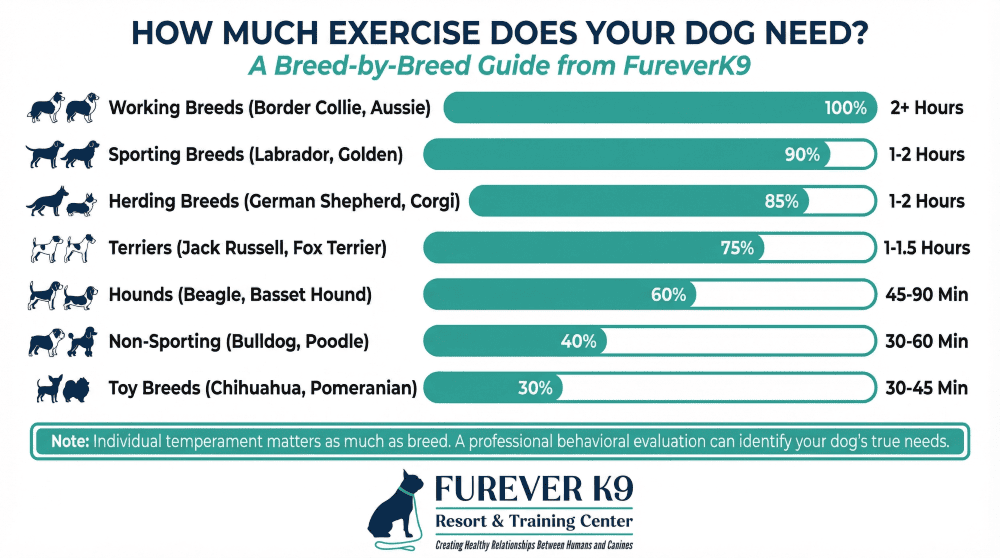
Understanding Dog daily activity needs is one of the most important parts of responsible pet care. A dog that gets the right amount of activity is often healthier, calmer, and easier to train. The right routine is not only about long walks. It also includes play, learning, exploration, and time with family.
From working with dog owners and studying common pet routines, one lesson stands out: every dog is different. A young Border Collie may need hours of activity, while an older companion dog may be happy with shorter walks and gentle games. The goal is to match activity with the dog’s body, mind, and lifestyle.

What are a dog’s daily activity needs?
Dog daily activity needs describe the amount and type of movement, play, training, and mental engagement a dog requires each day. These needs help dogs maintain healthy weight, strong muscles, and balanced behavior.
Activity needs are not the same for every dog. A small apartment dog may need fewer physical challenges but still require mental games. A high-energy working breed may need more exercise and tasks that give them a purpose.
- ✦ Physical exercise
Walking, running, swimming, and active play help support a dog’s body and energy levels.
- ✦ Mental stimulation
Puzzle toys, training sessions, and scent games keep a dog’s brain active.
- ✦ Social interaction
Positive time with people and other dogs can support confidence and emotional health.
Why daily activity matters for dogs
Regular activity helps reduce boredom and unwanted behaviors such as chewing, digging, or excessive barking. Dogs are naturally active animals, and they need healthy ways to use their energy.
A balanced routine can also strengthen the bond between dogs and owners. Simple activities like walking together or practicing commands create trust and communication.
How much daily exercise does a dog need?
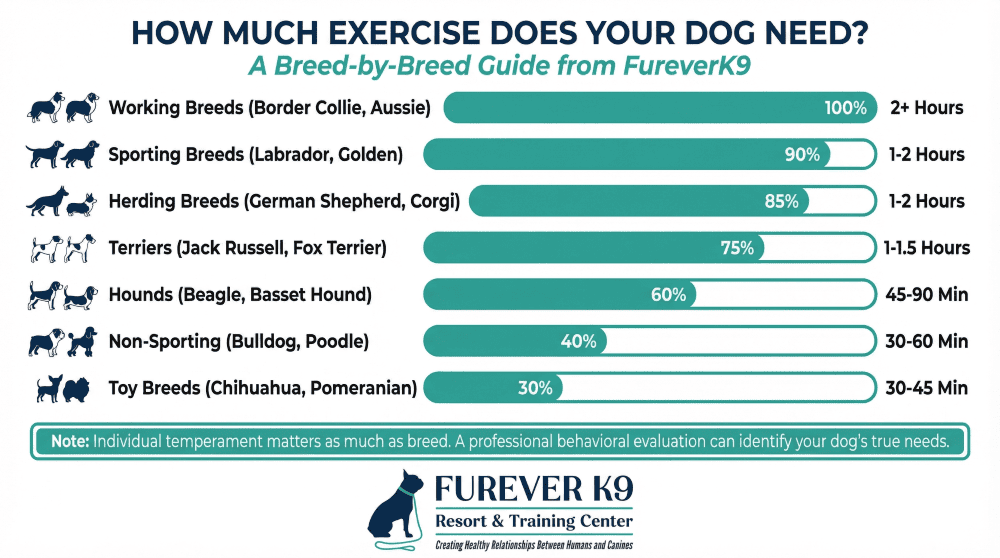
There is no single exercise amount that works for all dogs. Many adult dogs benefit from daily walks and play sessions, but the exact amount depends on breed traits, health, age, and energy level.
Dog daily activity needs should be increased slowly. If a dog is not used to exercise, adding too much activity too quickly may cause stress or injury.

- ✦ Low-energy dogs
Older dogs and calm breeds may do well with short walks, gentle play, and simple training.
- ✦ Moderate-energy dogs
Many family dogs need regular walks, interactive games, and daily movement.
- ✦ High-energy dogs
Active breeds often need longer exercise sessions plus mental challenges.
Factors that affect dog daily activity needs
A dog’s ideal activity level changes throughout life. Owners should consider several factors before creating a daily routine.
Veterinarians often look at health history, body condition, and lifestyle when discussing exercise plans. A healthy routine should challenge a dog without exhausting them.
- ✦ Age
Puppies need controlled activity for growth, adults often need steady exercise, and seniors may need gentle movement.
- ✦ Breed
Breeds developed for work or sports often have higher energy needs.
- ✦ Health
Joint problems, weight issues, or medical conditions can change activity requirements.
- ✦ Personality
Some dogs naturally enjoy movement more than others, even within the same breed.
Building a healthy daily routine for your dog
A predictable schedule helps dogs understand what to expect each day. Many dogs feel more secure when meals, walks, training, and rest happen around similar times.
A good routine combines different activities instead of repeating the same exercise every day. Variety keeps dogs interested and supports both physical and mental health.

- ✦ Morning activity
Start with a walk, bathroom break, or short training session to create a positive beginning.
- ✦ Midday engagement
Use puzzle toys, sniffing games, or short play sessions when possible.
- ✦ Evening exercise
A walk or interactive game can help dogs relax before bedtime.
Mental stimulation and enrichment activities
Exercise is not only physical. Dogs also need activities that make them think. Mental enrichment can tire a dog in a healthy way and reduce boredom.
Simple games at home can improve focus and confidence. Even five to ten minutes of training can become valuable daily activity.

- ✦ Scent games
Let dogs search for treats or toys using their powerful sense of smell.
- ✦ Training practice
Teaching new commands gives dogs mental work and strengthens communication.
- ✦ Food puzzles
Puzzle feeders encourage problem solving during meal times.
Signs your dog may need more or less activity
Dogs often show clear signs when their activity needs are not being met. Learning these signals helps owners adjust routines before problems grow.
Too little activity may lead to boredom, while too much activity can cause tiredness or discomfort. The best routine creates a healthy balance.

- ✦ Signs of low activity
Common signs include restlessness, destructive behavior, attention seeking, and weight gain.
- ✦ Signs of too much activity
Watch for extreme tiredness, sore movement, reluctance to exercise, or unusual behavior changes.
