
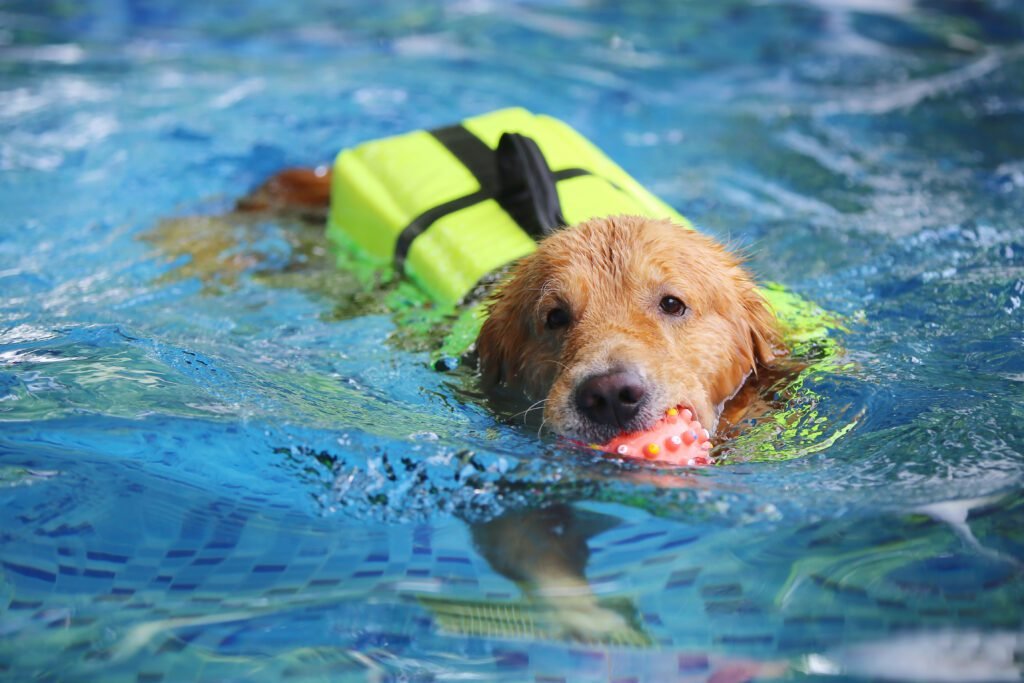
Many dogs love water, but swimming is not automatically safe for every dog. A dog’s body shape, age, confidence, and health can affect how well they handle water.
From my experience researching pet care topics, the biggest mistake owners make is assuming every dog can swim. Safe swimming starts with slow introductions, close attention, and knowing your dog’s limits.
In the United States, backyard pools, lakes, and beaches are popular places for dogs during warm months. Good dog swimming safety habits help pets enjoy these activities while reducing preventable accidents.

Why dog swimming safety matters
Swimming can be a fun way for dogs to exercise, cool down, and build strength. Water activities can support healthy movement because swimming is gentle on joints.
However, water can also create risks. Dogs may become tired, panic, swallow water, or struggle to leave a pool without help.
Dog swimming safety focuses on prevention. Simple steps before, during, and after swimming can make the experience safer for both dogs and owners.
- ✦ Prevents exhaustion
Short swimming sessions help prevent tiredness and allow dogs to rest before they become stressed.
- ✦ Builds confidence
Slow training helps dogs feel comfortable instead of fearful around water.
Common water risks for dogs
Common problems include slipping near pools, getting trapped without an exit, drinking dirty water, and swimming too long. Puppies and older dogs often need extra care because they may tire faster.
- ✦ Water temperature
Very cold water can cause discomfort and stress, especially for small or thin-coated dogs.
How to introduce your dog to swimming safely
A safe introduction should happen slowly. Never force a dog into water because fear can make future swimming harder.
Start with shallow water where your dog can stand. Reward calm behavior with praise and treats so your dog connects water with positive experiences.
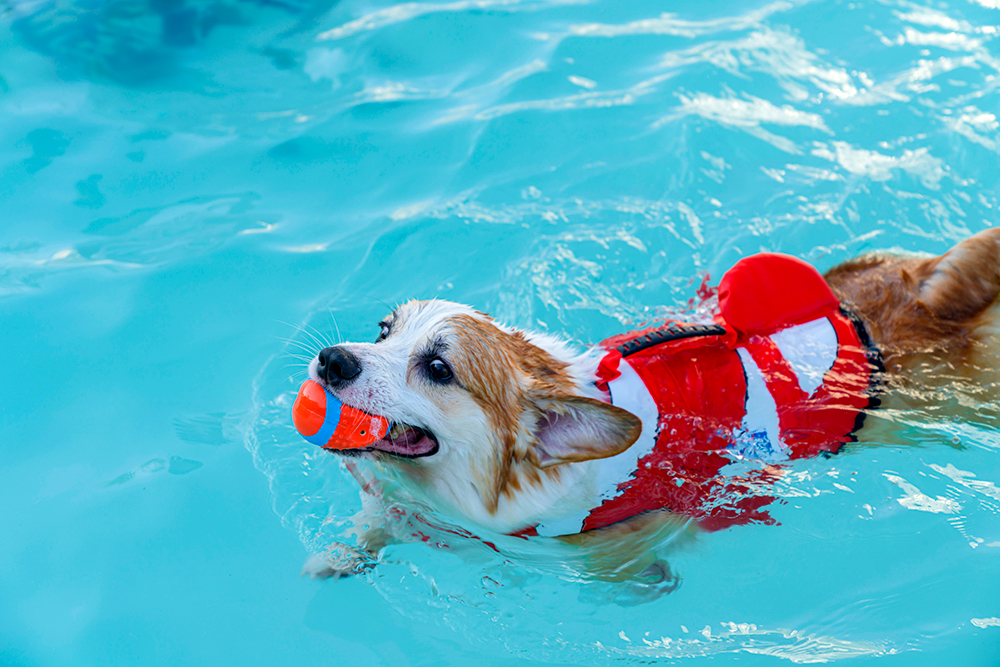
- ✦ Use shallow areas first
Let your dog explore the water at their own pace before moving into deeper areas.
- ✦ Stay close
Keep one hand near your dog during early lessons to provide support and confidence.
Signs your dog enjoys swimming
A relaxed dog may paddle smoothly, approach water willingly, and show a happy body posture. A stressed dog may shake, try to escape, or keep their head very high while swimming.
Do all dogs know how to swim?
The idea that every dog can swim is a common myth. Some dogs paddle naturally, but others struggle because of their body shape or physical limits.
Breeds with short noses, heavy bodies, or short legs may have more difficulty staying comfortable in water. These dogs often need extra supervision and may benefit from a life jacket.
- ✦ Breeds that may need extra help
Bulldogs, pugs, dachshunds, and other breeds with certain body types may find swimming more challenging.
- ✦ Age matters
Young puppies and senior dogs may need shorter sessions and more support.
Using life jackets for better dog swimming safety
A properly fitted dog life jacket is one of the best safety tools for water activities. It provides extra support and makes it easier to lift or guide a dog in an emergency.
Life jackets are especially useful for boating trips, lakes, beaches, and dogs that are still learning to swim.
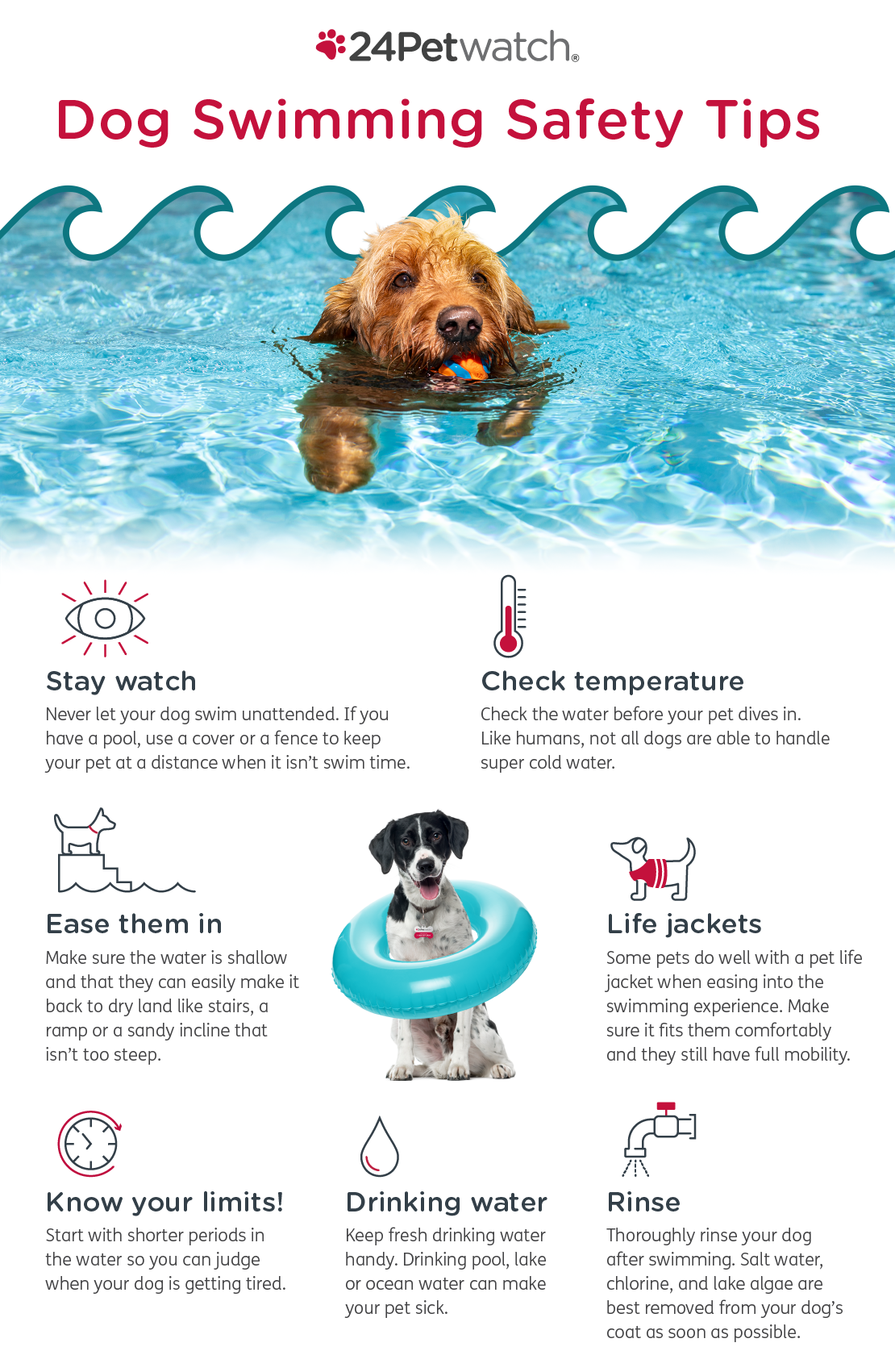
- ✦ Choose the right fit
The jacket should fit securely without blocking movement or causing discomfort.
- ✦ Look for handles
A strong handle allows owners to quickly lift a dog from water when needed.
Pool safety rules for dogs
Backyard pools are convenient, but they need special safety steps. A dog may enter a pool easily but may not know how to exit safely.
Teach your dog where the stairs or exit area are located. Keep pool covers, gates, and barriers secure when the pool is not being used.

- ✦ Supervise every swim
Never leave a dog alone around a pool, even if the dog has swum before.
- ✦ Rinse after swimming
Fresh water rinses help remove chlorine, salt, and chemicals from your dog’s coat.
Lake and beach swimming safety tips
Natural water areas offer great adventures, but they have different risks than pools. Lakes may contain harmful algae, hidden objects, strong currents, or unsafe water conditions.
Before letting your dog swim outdoors, check local warnings and choose calm areas with clean water.

- ✦ Avoid harmful water
Do not allow dogs to swim in water with unusual colors, bad smells, or algae warnings.
- ✦ Watch the environment
Be aware of waves, boats, fishing lines, and other hazards.
What to do after your dog swims
Post-swim care is an important part of dog swimming safety. Drying your dog and checking their ears, paws, and coat can prevent discomfort.
Dogs that swim often may need regular cleaning because trapped moisture can lead to ear irritation.
- ✦ Dry the ears
Gently dry your dog’s ears after swimming, especially for dogs with floppy ears.
- ✦ Check for tiredness
Allow your dog to rest and provide fresh drinking water after activity.
