
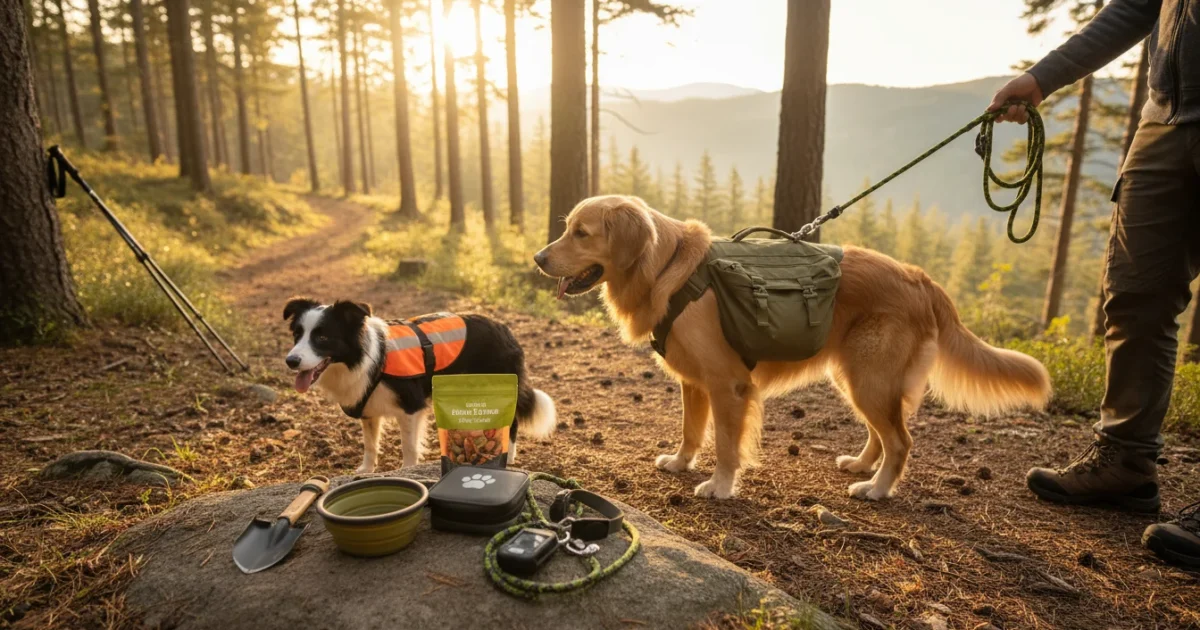
Hiking with a dog can be one of the best ways to build a stronger bond while giving your pet healthy exercise. Across the United States, many dog owners explore local parks, national forests, and mountain trails with their companions. However, every trail brings new challenges, from rough ground to wildlife encounters.
Good dog hiking safety is not only about bringing a leash. It requires planning, training, proper equipment, and knowing when your dog needs a break. A prepared owner can turn a risky outdoor trip into a safe and enjoyable adventure.

Why Dog Hiking Safety Matters Before Every Trail Adventure
Dogs love exploring new places because hiking uses their body and mind. New smells, sounds, and sights create natural enrichment that regular walks may not provide. Still, outdoor environments can expose dogs to hazards they do not face at home.
Dog hiking safety helps prevent injuries, heat problems, lost pets, and contact with harmful plants or animals. Before starting a hike, owners should think about their dog’s age, health, breed, fitness level, and past outdoor experience.
- ✦ Know your dog’s ability
A young, active dog may handle longer trails, while older dogs or dogs with health issues may need shorter and easier routes.
- ✦ Start slowly
Build hiking distance over time instead of taking an untrained dog on a difficult trail.
Signs Your Dog May Need a Break
Heavy panting, slowing down, limping, refusing to continue, or lying down can show that your dog needs rest. Good dog hiking safety means paying attention before a small issue becomes an emergency.
- ✦ Watch body language
A tired dog may show stress through changes in movement, posture, or behavior.
Choose the Right Trail for Your Dog
Trail selection is a major part of dog hiking safety. Not every hiking path is suitable for every dog. Some trails have steep climbs, sharp rocks, hot surfaces, or rules that do not allow pets.
For beginners, choose shorter trails with shade, easy terrain, and access to water. Check local park rules before visiting because many U.S. parks have specific leash requirements.

- ✦ Check trail conditions
Look for current information about weather, trail damage, wildlife activity, and difficulty level.
- ✦ Respect leash rules
Keeping your dog leashed protects your pet, wildlife, and other hikers.
Avoid Dangerous Trail Conditions
Hot pavement, icy paths, unstable rocks, and deep mud can cause injuries. Good dog hiking safety includes choosing conditions that match your dog’s comfort and experience.
- ✦ Test the ground
Place your hand on hot surfaces for a few seconds to check if they may hurt your dog’s paws.
Essential Gear for Safe Dog Hiking
The right equipment makes dog hiking safety easier. A prepared hiking kit helps you handle small problems before they become serious.
Every dog and trail is different, but some items are useful for almost every outdoor trip. Experienced hikers often prepare for unexpected delays, weather changes, and minor injuries.
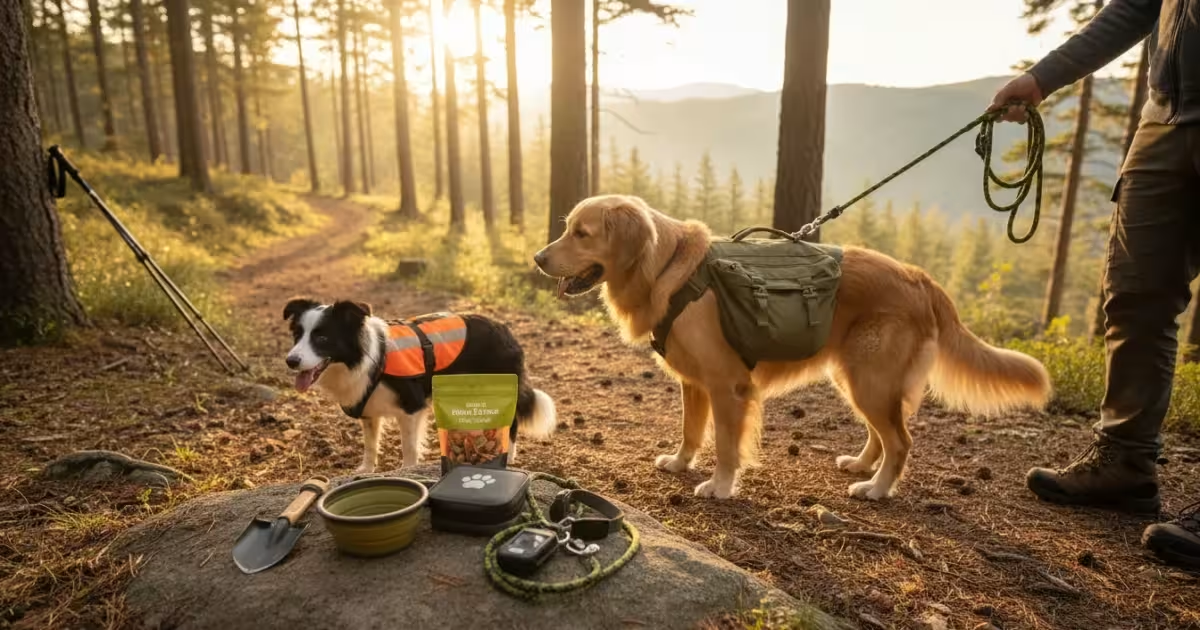
- ✦ Strong leash and harness
A secure harness gives better control and reduces strain on your dog’s neck.
- ✦ Portable water supplies
Bring enough clean water because natural water sources may contain bacteria or parasites.
- ✦ Dog first-aid kit
Basic supplies can help with small cuts, paw injuries, and emergencies until professional care is available.
Useful Hiking Items for Dogs
A dog backpack, identification tags, paw protection, waste bags, and a towel can improve comfort and safety. Pack items based on the trail length and weather.
- ✦ Bring identification
Updated tags and a microchip increase the chance of recovery if your dog becomes separated.
Protect Your Dog From Weather and Outdoor Hazards
Weather is one of the biggest factors in dog hiking safety. Dogs can overheat, become dehydrated, or struggle in cold conditions depending on their size, coat, and health.
Always check the forecast before leaving. Avoid extreme heat, carry extra water, and provide breaks in shaded areas when possible.

- ✦ Prevent heat stress
Exercise during cooler hours and watch for excessive panting, weakness, or confusion.
- ✦ Protect paws
Rough rocks, ice, and hot surfaces can damage paw pads during hikes.
- ✦ Avoid toxic plants
Stop dogs from eating unknown plants, mushrooms, or wild foods.
Wildlife Awareness on Trails
Wild animals can react differently when approached by dogs. Keep your dog close and avoid areas where wildlife activity is high. This is an important part of responsible dog hiking safety.
- ✦ Stay alert
Watch for snakes, insects, and animals that may create danger for your dog.
Training Tips That Improve Dog Hiking Safety
Training gives dogs the skills they need to behave safely outdoors. A dog that responds to commands is easier to manage around hikers, wildlife, and changing trail conditions.
Practice basic commands before hiking. Reliable recall, walking on a leash, and calm behavior around distractions are valuable outdoor skills.

- ✦ Teach recall
A strong recall command helps you bring your dog back quickly if they move too far away.
- ✦ Practice trail manners
Train your dog to pass people and other dogs calmly.
What to Do During a Dog Hiking Emergency
Even with careful planning, emergencies can happen. Dog hiking safety includes knowing how to respond if your dog is injured, lost, or showing signs of illness.
Stay calm and assess the situation. Carry emergency contacts, know your location, and have a plan for getting help if needed.

- ✦ Check injuries quickly
Look for bleeding, limping, breathing problems, or signs of severe pain.
- ✦ Know your route
Trail names, maps, and phone location tools can help rescuers find you.
After the Hike Care
Inspect your dog after every hike. Check paws, fur, ears, and skin for cuts, ticks, or irritation. Proper after-care supports long-term dog hiking safety.
- ✦ Remove ticks
Check your dog carefully after outdoor trips, especially after hiking in wooded areas.
