
Many dogs in the United States spend long hours indoors while their families work, study, or manage busy schedules. A daily walk is helpful, but dogs need more than physical movement. They also need chances to think, explore, and make choices.
Dog environmental enrichment focuses on creating meaningful experiences that match a dog’s natural needs. Through my work studying canine behavior and training methods, I have seen that dogs often become calmer when they have safe outlets for curiosity and energy.

What is dog environmental enrichment?
Dog environmental enrichment means improving a dog’s surroundings and daily routine with activities that support natural behaviors. It allows dogs to use their senses, solve problems, and interact with their environment in healthy ways.
A good enrichment plan is not about buying expensive products. It is about creating opportunities for a dog to sniff, chew, search, learn, play, and explore safely.
- ✦ Mental stimulation
Activities that make dogs think, such as puzzle feeders and training games, help keep their minds active.
- ✦ Physical engagement
Play, movement, and exploration support fitness while preventing a dull daily routine.
- ✦ Natural behaviors
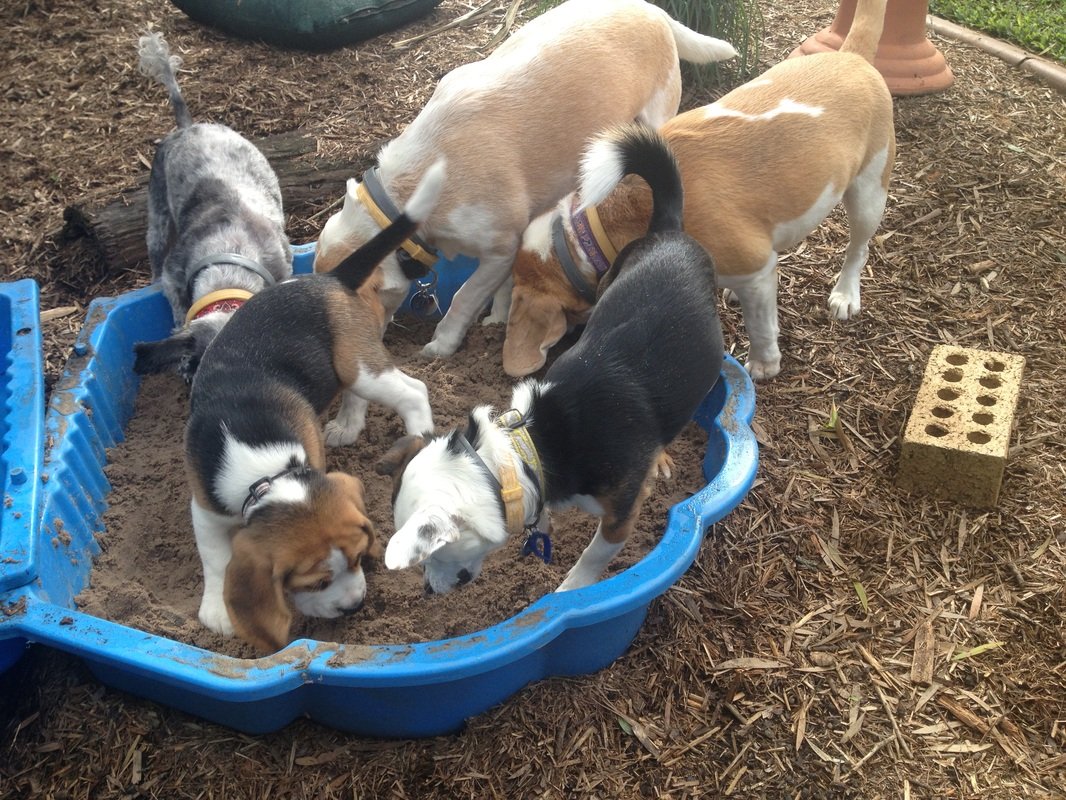
Enrichment allows dogs to practice instincts like sniffing, digging, chewing, and searching.
Why enrichment matters for modern dogs
Many household dogs have fewer chances to roam and explore than their wild ancestors. Enrichment helps replace those missing opportunities with safe activities designed for domestic life.
Benefits of dog environmental enrichment for behavior and health
Dog environmental enrichment can support emotional balance and reduce frustration. When dogs have appropriate activities, they often spend less time looking for their own entertainment through chewing furniture, excessive barking, or digging.
Enrichment also builds confidence. A dog that learns how to solve simple challenges can become more comfortable with new places, sounds, and experiences.
- ✦ Reduces boredom
Regular enrichment gives dogs productive activities instead of leaving them with nothing to do.
- ✦ Supports calm behavior
A mentally satisfied dog may relax more easily after completing engaging tasks.
- ✦ Improves the human-dog bond
Shared games and training create trust and stronger communication.
Types of dog environmental enrichment activities
The best dog environmental enrichment program uses different types of activities. Dogs can become bored even with a favorite toy, so variety matters.
Owners should observe what their dog enjoys most. Some dogs love food puzzles, while others prefer scent games, training, outdoor exploration, or social play.

- ✦ Food-based enrichment
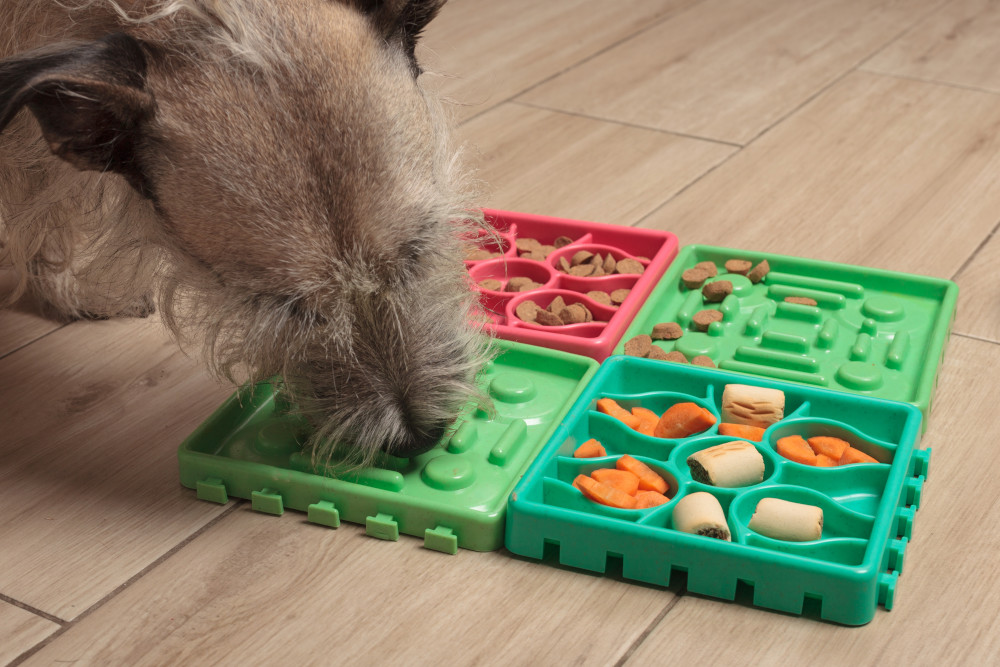
Use puzzle feeders, frozen treats, or slow feeding methods to make mealtime more engaging.
- ✦ Scent enrichment
Hide treats around a room or yard and let dogs use their powerful sense of smell.
- ✦ Training games
Short training sessions teach new skills while giving dogs mental challenges.
Using toys and puzzles correctly
Interactive toys should match a dog’s size, chewing style, and skill level. Start with easy challenges and slowly increase difficulty as the dog learns.
- ✦ Safety first
Always supervise new toys and remove damaged items to prevent injuries.
How to create a daily dog enrichment routine
A successful dog environmental enrichment routine does not need hours of extra work. Small activities added throughout the day can create meaningful changes.
For busy American households, simple routines are often easier to maintain. A five-minute training game before work or a sniff walk after dinner can provide valuable stimulation.
- ✦ Morning activity
Begin the day with a short walk, scent game, or basic training practice.
- ✦ Afternoon challenge
Offer a safe puzzle toy or chewing activity while the dog rests at home.
- ✦ Evening connection
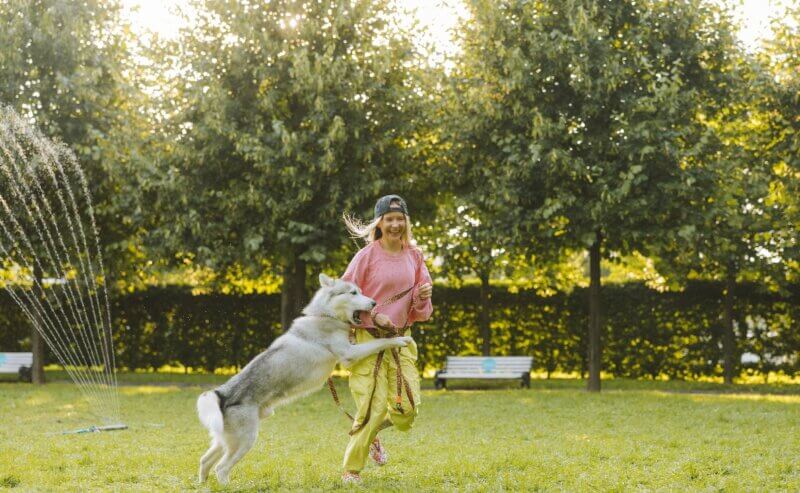
Use play sessions or gentle training to build a stronger relationship.
Dog environmental enrichment ideas for different life stages
Every dog has different needs based on age, health, breed traits, and personality. Dog environmental enrichment should change as your dog grows.
Puppies often need gentle learning activities, adult dogs need challenges that prevent boredom, and senior dogs may need slower activities that support comfort and confidence.

- ✦ Puppy enrichment
Use safe exploration, simple training, and controlled social experiences to support learning.
- ✦ Adult dog enrichment
Combine physical exercise with problem-solving games and new experiences.
- ✦ Senior dog enrichment
Choose low-impact activities that stimulate the mind without causing strain.
Common mistakes when using dog environmental enrichment
Dog environmental enrichment works best when activities are safe, appropriate, and introduced slowly. Too much difficulty too soon can make a dog frustrated instead of interested.
Owners should also avoid using enrichment as a replacement for basic needs. Dogs still need proper exercise, nutrition, veterinary care, and social interaction.
- ✦ Giving too many challenges
Start simple and increase difficulty as your dog gains confidence.
- ✦ Ignoring individual preferences
Choose activities based on what your dog enjoys instead of following trends.
- ✦ Skipping supervision
Monitor new toys and activities to keep your dog safe.
