
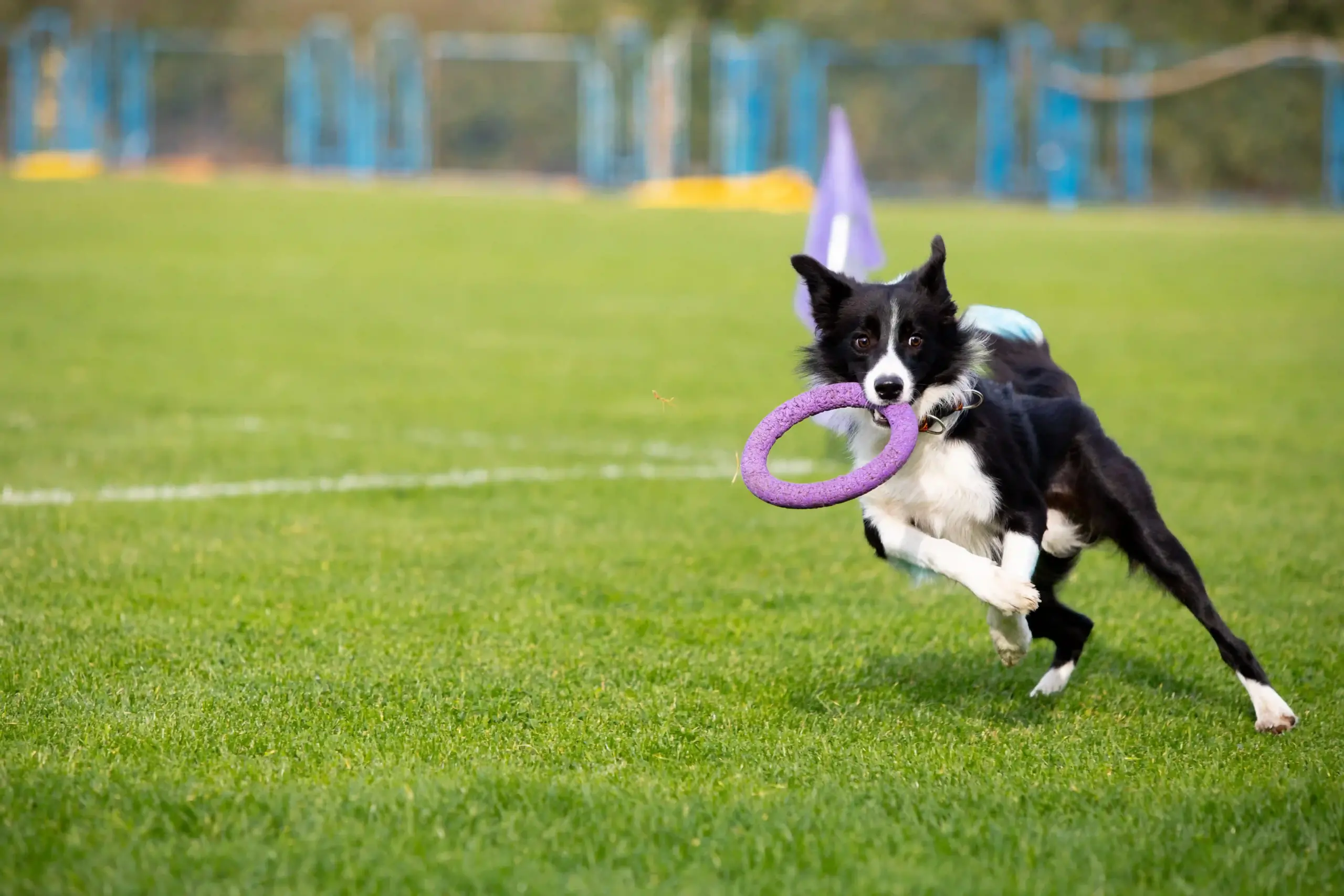
Dog outdoor exercise is one of the best ways to support a dog’s overall wellness. Dogs are naturally curious animals that need movement, fresh air, and new experiences. A daily outdoor routine can help reduce boredom, support healthy weight, and strengthen the bond between dogs and their owners.
After working with dog owners and studying canine activity patterns, one lesson stands out: outdoor exercise works best when it matches the individual dog. A young Border Collie may need challenging games and long walks, while an older Labrador may enjoy slower outdoor exploration. The goal is not only to make dogs tired but also to keep them physically and mentally balanced.

Why Dog Outdoor Exercise Is Important
Dog outdoor exercise provides more than physical movement. Outdoor time gives dogs a chance to explore smells, sounds, and sights that they cannot experience indoors. This natural stimulation helps support a calm and confident personality.
Many behavior problems come from a lack of activity. Dogs that do not get enough exercise may bark more, chew furniture, or become restless. A consistent outdoor routine can help reduce these issues by giving dogs a healthy outlet for their energy.

- ✦ Physical fitness
Regular movement helps maintain strong muscles, healthy joints, and proper body weight.
- ✦ Mental stimulation
Outdoor exploration allows dogs to use their senses and solve small challenges.
- ✦ Better behavior
Active dogs often show fewer boredom-related behaviors at home.
How Outdoor Activity Supports Dog Health
Exercise supports heart health, muscle strength, and mobility. It also helps dogs maintain a healthy metabolism. For many dogs, regular outdoor movement is a key part of preventive care.
- ✦ Healthy weight control
Outdoor exercise helps burn calories and reduces the risk of obesity.
Best Types of Dog Outdoor Exercise Activities
The best Dog outdoor exercise activities are enjoyable, safe, and suitable for the dog’s abilities. Variety is important because dogs can become bored with the same routine every day.
Simple activities often provide great results. A walk through a neighborhood park, a game of fetch, or a short training session outside can create a healthy balance of movement and learning.

- ✦ Walking
Daily walks are a simple way to provide movement and mental enrichment.
- ✦ Fetch games
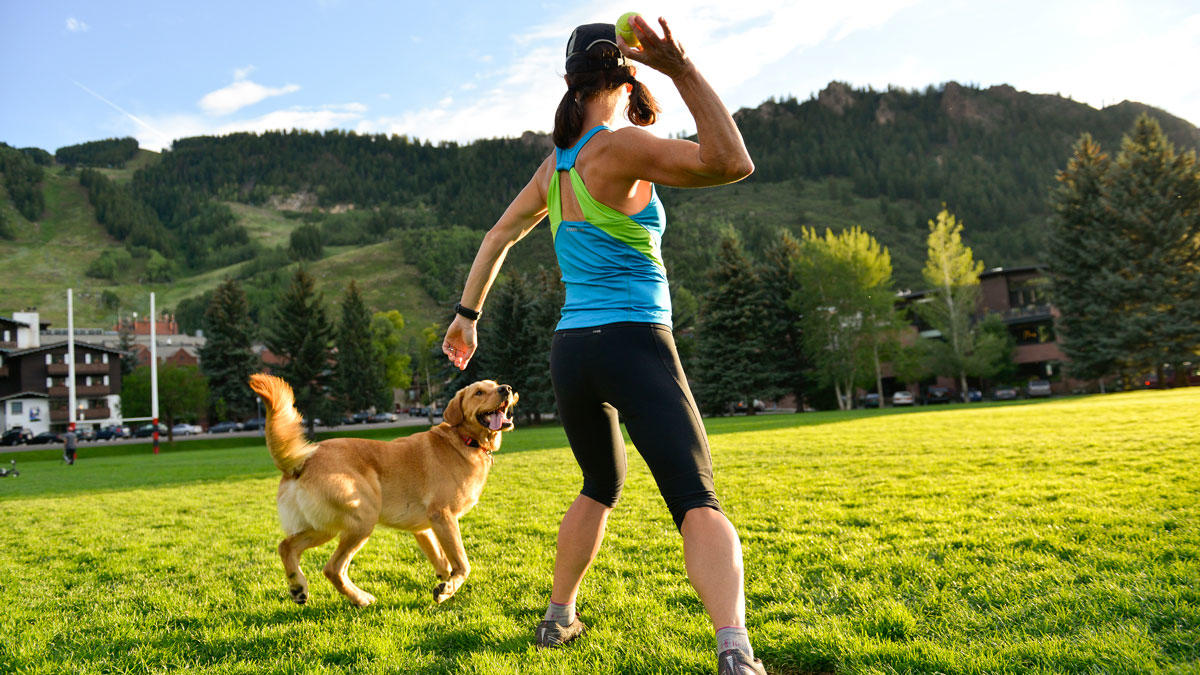
Playing fetch helps improve coordination and gives energetic dogs a fun workout.
- ✦ Hiking
Dog-friendly trails offer new smells and environments for adventurous pets.
- ✦ Agility games
Outdoor obstacle activities improve focus, confidence, and physical skills.
Outdoor Exercise Ideas for Different Dogs
High-energy breeds often enjoy running, hiking, and advanced games. Smaller or older dogs may prefer gentle walks and slower exploration. Always adjust the activity level based on the dog’s comfort.
- ✦ Active breeds
Use challenging activities that involve movement and problem solving.
- ✦ Senior dogs
Choose low-impact activities that protect joints and avoid overexertion.
How Much Outdoor Exercise Does a Dog Need?
There is no single exercise amount that works for every dog. Breed, age, size, health condition, and personality all affect daily needs. Some dogs feel satisfied after a short walk, while others need longer outdoor sessions.
A good approach is to watch your dog’s behavior. A healthy exercise routine should leave your dog relaxed and content, not exhausted or uncomfortable.
- ✦ Young dogs
Puppies need controlled play and short sessions because their bodies are still developing.
- ✦ Adult dogs
Many adult dogs benefit from regular daily walks and active play.
- ✦ Older dogs
Senior dogs may need shorter sessions with more rest periods.
Signs Your Dog Needs More Exercise
Common signs include excessive energy, destructive habits, attention-seeking behavior, and difficulty settling down. Increasing safe outdoor activity may help when boredom is the cause.
- ✦ Restlessness
A dog that constantly seeks activity may need more physical or mental engagement.
Safety Tips for Dog Outdoor Exercise
Safety should always come first during Dog outdoor exercise. Outdoor environments can include heat, traffic, unsafe plants, wildlife, and other risks. Preparation helps prevent common problems.
Before starting a new activity, check your dog’s health and fitness level. Dogs with medical conditions may need special exercise plans from a veterinarian.

- ✦ Bring water
Carry fresh water during long walks, hikes, or outdoor play sessions.
- ✦ Check weather
Avoid extreme heat and protect dogs from harsh weather conditions.
- ✦ Use proper gear
A secure leash, collar, and identification tag improve outdoor safety.
Avoiding Overexertion
Dogs may continue playing even when they are tired. Watch for heavy panting, slowing down, limping, or unusual behavior. These signs mean it is time for a break.
- ✦ Take breaks
Rest periods help dogs recover during longer activities.
Creating a Consistent Outdoor Exercise Routine
A regular schedule makes Dog outdoor exercise easier to maintain. Dogs enjoy routines because they know what to expect each day.
A successful routine does not need to be complicated. Even small daily activities can improve a dog’s physical and emotional health when they happen consistently.

- ✦ Set realistic goals
Choose activities that fit your schedule and your dog’s energy level.
- ✦ Mix activities
Combine walks, games, training, and exploration to keep dogs interested.
Making Exercise More Enjoyable
Dogs enjoy outdoor time more when owners participate. Interactive play builds trust and turns exercise into quality bonding time.
- ✦ Train outdoors
Use outdoor sessions to practice commands and reward good behavior.
