
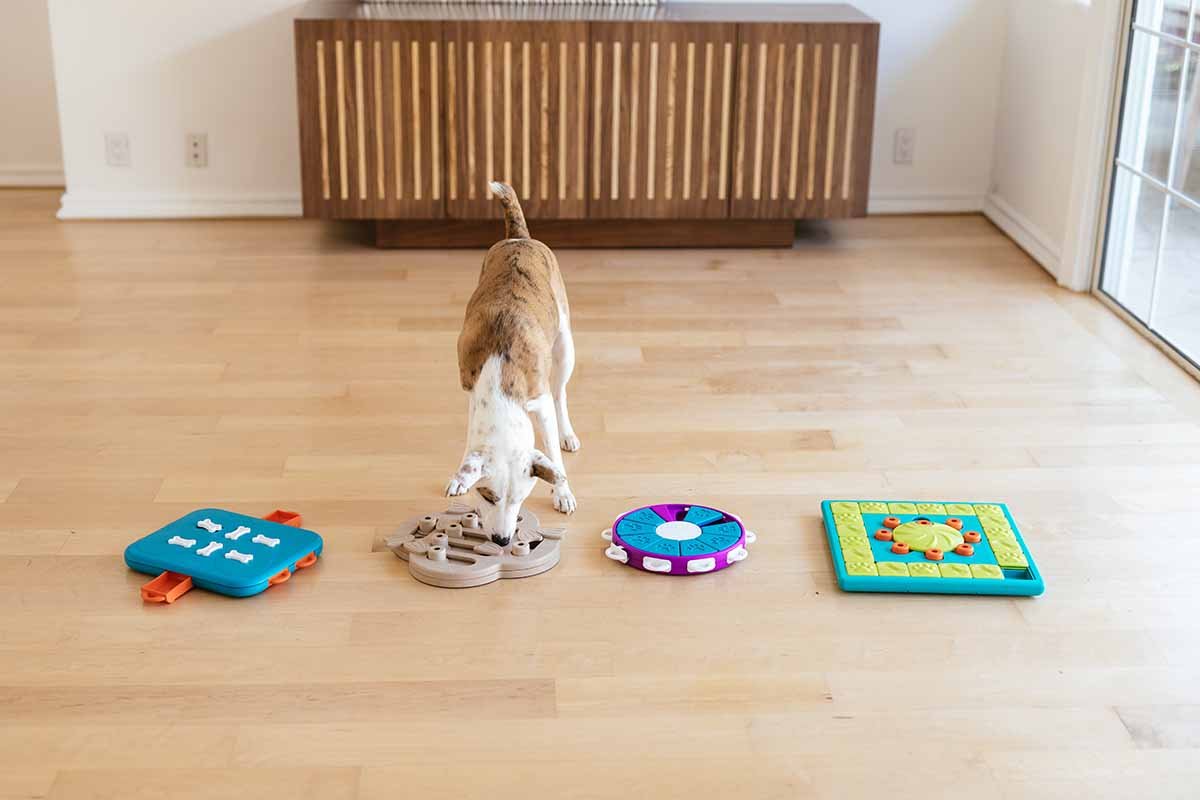
Dog enrichment activities keep dogs mentally active, physically healthy, and emotionally balanced.
Many dogs in the United States spend long hours indoors while their owners work, travel, or manage busy schedules. Without enough mental challenges, dogs may become bored and develop habits like chewing furniture, barking, digging, or seeking attention in unwanted ways.
As a dog enrichment writer and canine behavior researcher, I have seen that simple daily activities often create the biggest improvements. A five-minute scent game, puzzle feeder, or training session can give a dog a meaningful task and help them feel calm and satisfied.
Dog enrichment activities are not only about buying expensive toys. They are about creating opportunities for dogs to think, explore, make choices, and use their natural skills. A balanced enrichment routine can fit almost any home, budget, and lifestyle.
What Are Dog Enrichment Activities?
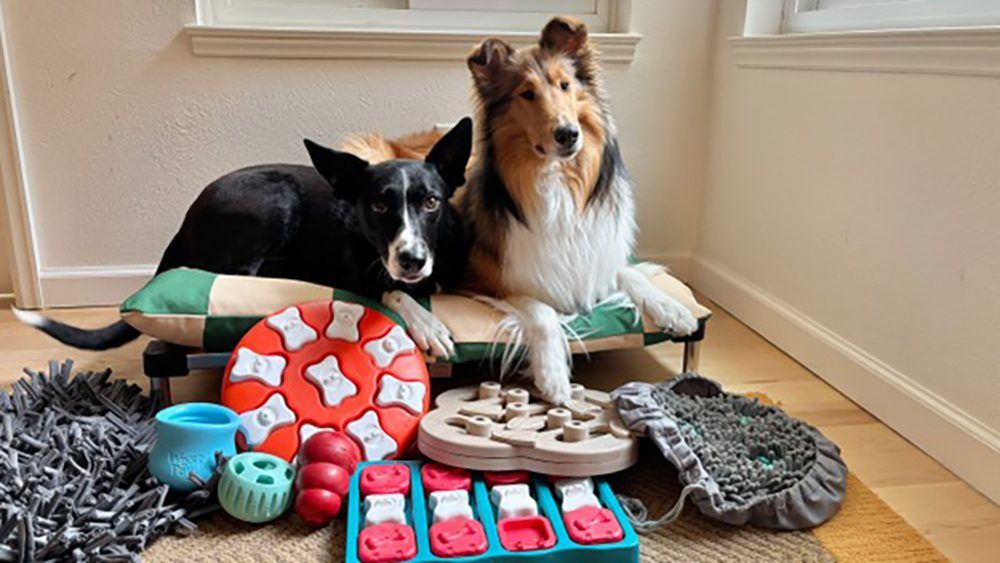
Dog enrichment activities are tasks that encourage dogs to use their brains, bodies, and senses. These activities copy natural behaviors like sniffing, hunting, chewing, exploring, and solving problems.
Unlike simple play, enrichment gives dogs a purpose. A dog searching for hidden treats or learning a new trick is not only having fun but also building confidence and focus.
- ✦ Mental enrichment
Activities that make dogs think, solve problems, and learn new skills.
- ✦ Physical enrichment
Games and exercises that help dogs move, stretch, and release energy.
- ✦ Sensory enrichment
Experiences that allow dogs to explore new smells, sounds, textures, and environments.
Why Dogs Need Enrichment Every Day
Dogs evolved to spend much of their time searching, exploring, and working for resources. Modern homes provide safety and comfort, but they often remove many natural challenges.
Regular dog enrichment activities help replace these missing experiences. They can make daily life more interesting and give dogs healthy ways to spend their energy.
- ✦ Builds confidence
Small challenges help dogs learn that they can solve problems successfully.
Benefits of Dog Enrichment Activities
A good enrichment routine can improve many areas of a dog’s life. It supports healthy habits by giving dogs safe outlets for their natural behaviors.
Many dog owners notice that their pets become calmer after enrichment because they have used their minds and bodies in a positive way.
- ✦ Reduces boredom
Interesting activities prevent dogs from feeling restless during quiet periods.
- ✦ Improves behavior
Dogs with enough stimulation may show fewer unwanted behaviors caused by frustration.
- ✦ Supports bonding
Shared games and training sessions create stronger relationships between dogs and owners.
- ✦ Encourages confidence
Problem-solving activities help dogs feel more comfortable in different situations.
Best Mental Dog Enrichment Activities
Mental enrichment is one of the easiest ways to challenge a dog without needing a large space. These activities work well for apartment dogs, senior dogs, and dogs recovering from physical limitations.
The goal is not to make a dog frustrated. Start with simple tasks and slowly increase difficulty as your dog becomes more confident.
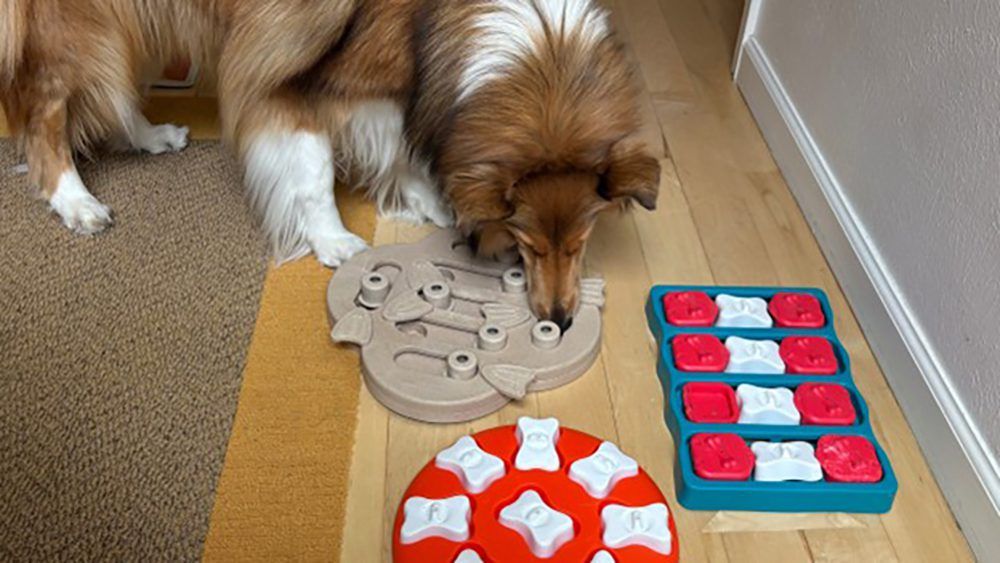
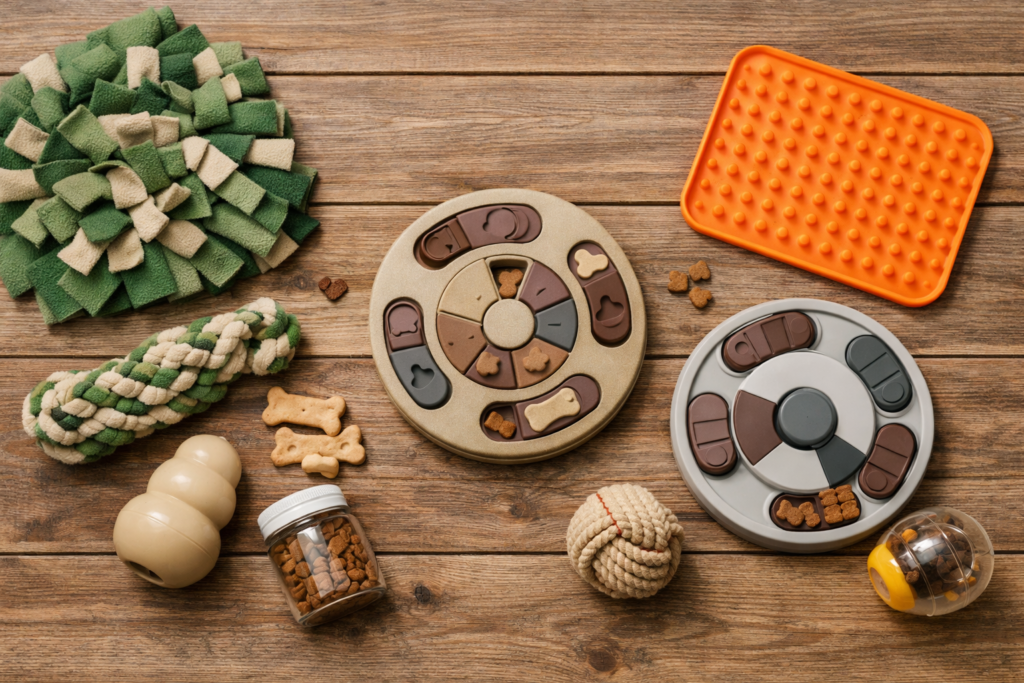
- ✦ Puzzle toys
Use treat puzzles that require dogs to move pieces, open sections, or find hidden rewards.
- ✦ Hide and seek
Hide treats or toys around the home and let your dog search using their nose.
- ✦ Training games
Teach new commands, tricks, or simple tasks during short daily sessions.
- ✦ Food scavenger hunts
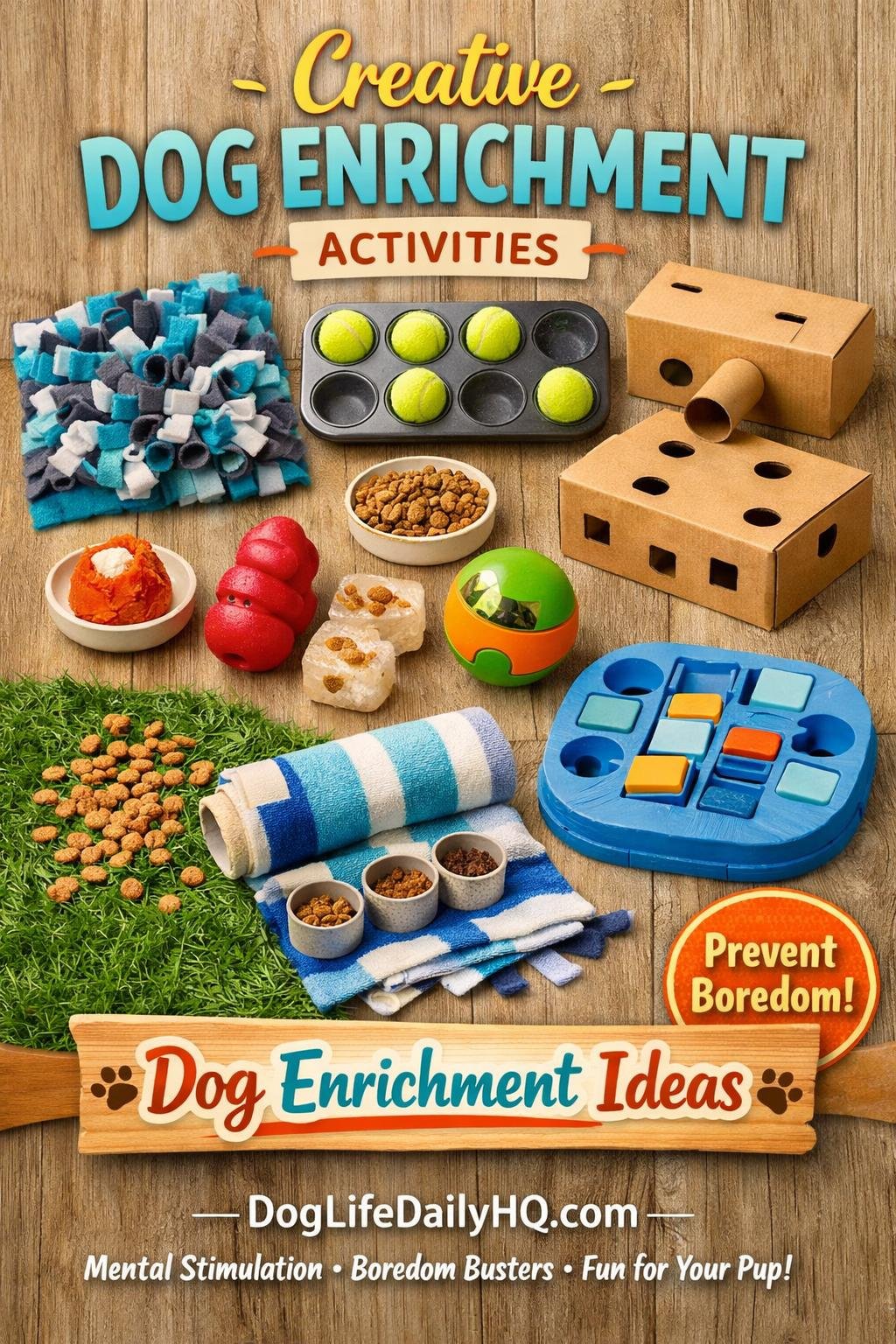
Scatter food in safe areas so dogs can naturally search and sniff.
Using Food as Enrichment
Food-based activities are powerful because dogs naturally enjoy searching for food. Instead of placing every meal in a normal bowl, owners can use slow feeders, puzzle toys, or snuffle mats.
These methods slow eating and turn mealtime into a rewarding activity.
- ✦ Rotate food games
Change activities regularly so dogs stay interested and engaged.
Physical Dog Enrichment Activities for Energy and Fitness
Physical enrichment helps dogs stay active and healthy. While daily walks are important, many dogs need more variety to feel satisfied.
Adding games and movement challenges can make exercise more enjoyable for both dogs and owners.
- ✦ Fetch variations
Change locations, add training commands, or use different toys to make fetch more interesting.
- ✦ Obstacle courses
Create simple indoor or outdoor courses using safe household items.
- ✦ Tug games
Tug provides exercise and teaches dogs impulse control when played correctly.
- ✦ Nature walks
Allow dogs to sniff and explore new areas during walks.
DIY Dog Enrichment Activities You Can Try at Home
Many effective dog enrichment activities use items already available at home. DIY options are affordable and allow owners to customize challenges for their dog’s needs.
Always supervise new activities and remove materials that could become unsafe if damaged or swallowed.

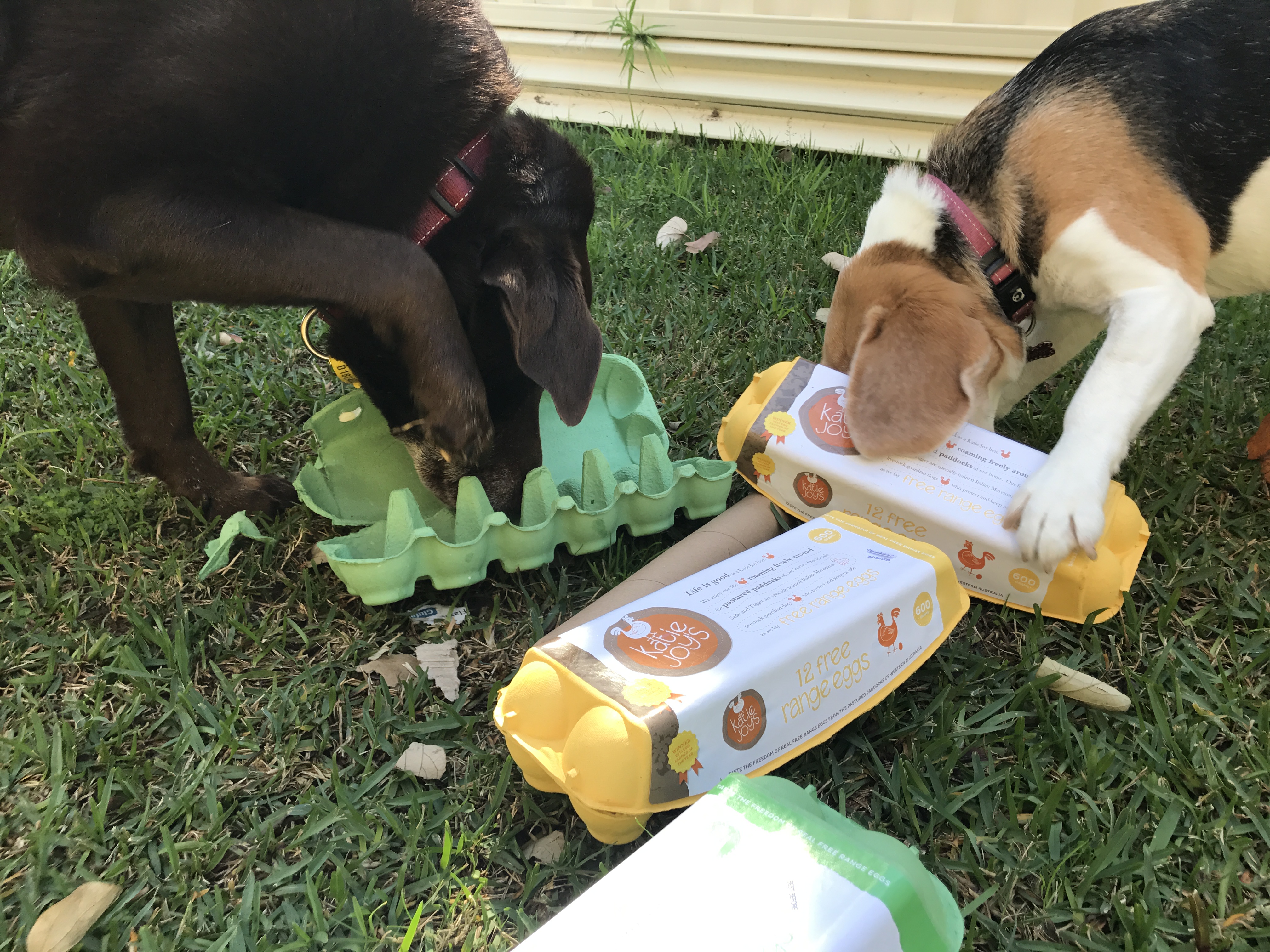
- ✦ Cardboard box search
Place safe toys or treats inside boxes and let your dog explore.
- ✦ Frozen treats
Freeze dog-safe foods in a toy or container for a longer-lasting challenge.
- ✦ Towel puzzles
Roll treats inside a towel and let your dog figure out how to reach them.
How to Create a Daily Dog Enrichment Routine
A successful enrichment plan does not need hours each day. Small activities spread throughout the week can provide excellent results.
The best routine combines different types of enrichment because dogs need variety. A mix of mental games, movement, and social interaction keeps activities fresh.
- ✦ Morning
Start with a sniff walk, training game, or food puzzle.
- ✦ Afternoon
Offer a short interactive game or independent activity.
- ✦ Evening
Use calm enrichment like chewing, scent work, or relaxation training.
Choosing Activities Based on Your Dog
A young working breed may enjoy advanced puzzles and active games, while an older dog may prefer gentle scent activities and simple challenges.
Pay attention to your dog’s signals. The best dog enrichment activities create excitement without causing stress.
- ✦ Consider personality
Choose activities based on whether your dog enjoys searching, chasing, chewing, or learning.
