
Many dogs in the United States spend long hours alone while their owners work, travel, or manage busy schedules. Without enough stimulation, dogs may develop unwanted habits like chewing furniture, barking, digging, or showing low energy.
From working with dog enrichment plans and studying common pet behavior patterns, one lesson stands out: dogs need more than food and a safe home. They need chances to explore, think, play, and use their natural skills. Effective dog boredom prevention creates a happier daily life and supports better behavior.
What Is Dog Boredom Prevention and Why Does It Matter?
Dog boredom prevention is the practice of adding activities that keep a dog’s body and brain active. It focuses on stopping boredom before it leads to stress, frustration, or behavior problems.
Dogs are naturally curious animals. They are designed to sniff, solve problems, move around, and interact with their environment. A routine with no variety can leave even a well-trained dog feeling restless.
- ✦ Better behavior
Mental and physical activities can reduce destructive habits caused by excess energy or frustration.
- ✦ Improved happiness
Dogs often feel more confident and relaxed when they have regular chances to explore and learn.
- ✦ Stronger bond
Shared games and training sessions help owners build trust and communication with their dogs.
Common Signs Your Dog May Be Bored
Recognizing boredom early is an important part of dog boredom prevention. Dogs often communicate their needs through changes in behavior rather than words.
A bored dog does not always look unhappy. Some dogs become noisy and active, while others become withdrawn and sleep more than usual.

- ✦ Destructive chewing
Chewing furniture, shoes, or household items may happen when a dog needs more stimulation.
- ✦ Excessive barking
Some dogs bark more because they are seeking attention or trying to release built-up energy.
- ✦ Restless behavior
Pacing, digging, or constantly looking for something to do can signal boredom.
- ✦ Loss of interest
A dog that ignores toys or avoids interaction may need new activities or health evaluation.
Mental Stimulation Ideas for Effective Dog Boredom Prevention
Mental exercise is one of the most important parts of dog boredom prevention. A short thinking activity can tire a dog in a different way than physical exercise.
Dogs enjoy solving problems because it uses their natural instincts. Activities that involve searching, learning, and decision-making can make daily life more interesting.

- ✦ Puzzle toys
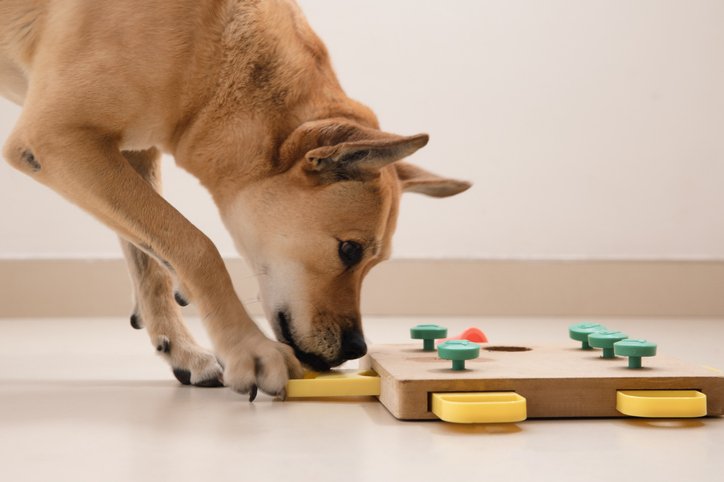
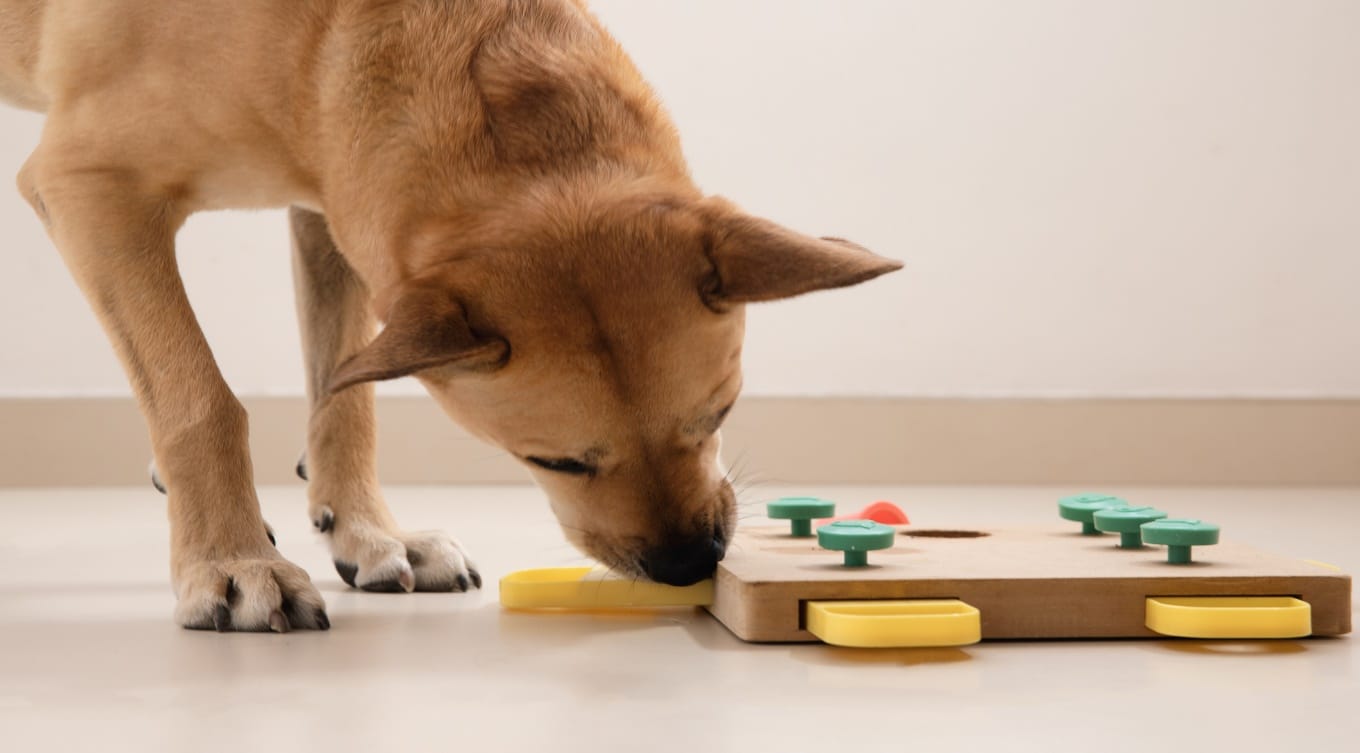
Food puzzles and treat-dispensing toys encourage dogs to think and work for rewards.
- ✦ Training games
Teaching new commands or tricks gives dogs a mental challenge and improves communication.
- ✦ Sniff activities
Scent games allow dogs to use their powerful noses and explore safely.
Why Brain Games Help Dogs
Brain games create healthy challenges for dogs. They help prevent empty time from turning into frustration and can be adjusted for puppies, adults, and senior dogs.
- ✦ Builds confidence
Successfully completing small challenges can help dogs feel more comfortable and capable.
Physical Exercise Strategies That Prevent Dog Boredom
Regular movement is a key part of dog boredom prevention. Exercise helps dogs release energy, maintain healthy weight, and enjoy a balanced routine.
The right amount of exercise depends on breed, age, health, and personality. A young working breed may need much more activity than a senior companion dog.

- ✦ Daily walks
Walks provide physical movement and valuable mental stimulation through new smells and sights.
- ✦ Play sessions
Games like fetch, tug, and chase can provide fun ways to stay active.
- ✦ Outdoor exploration
Safe outdoor activities give dogs opportunities to experience new environments.
Creating a Daily Routine for Long-Term Dog Boredom Prevention
A predictable routine helps dogs understand what to expect each day. However, adding small changes keeps life interesting and prevents boredom.
Many U.S. dog owners balance work, family, and personal responsibilities. A simple schedule with short activity periods can make a major difference.
- ✦ Morning activity
Start the day with a walk, sniff session, or short training exercise.
- ✦ Midday enrichment
Use puzzle toys, safe chews, or independent games when owners are busy.
- ✦ Evening bonding
Spend time with play, grooming, or calm training before rest.
Avoiding Repetition
Dogs enjoy familiar routines but also need variety. Changing toys, locations, and games can keep activities fresh without creating stress.
- ✦ Rotate toys
Keeping only a few toys available at a time can make old toys feel new again.
Dog Boredom Prevention for Dogs Left Home Alone
Many dogs spend several hours alone during the day. Good preparation can help them stay calm and occupied while their owners are away.
The goal is not to keep a dog busy every second. Dogs also need rest, but they benefit from having safe choices during alone time.
- ✦ Safe chew options
Long-lasting chews can provide entertainment when chosen carefully for the dog’s size and needs.
- ✦ Comfortable environment
A calm space with water, bedding, and safe toys helps dogs relax.
- ✦ Gradual alone-time training
Slowly increasing alone time can help dogs become more comfortable when separated.
