
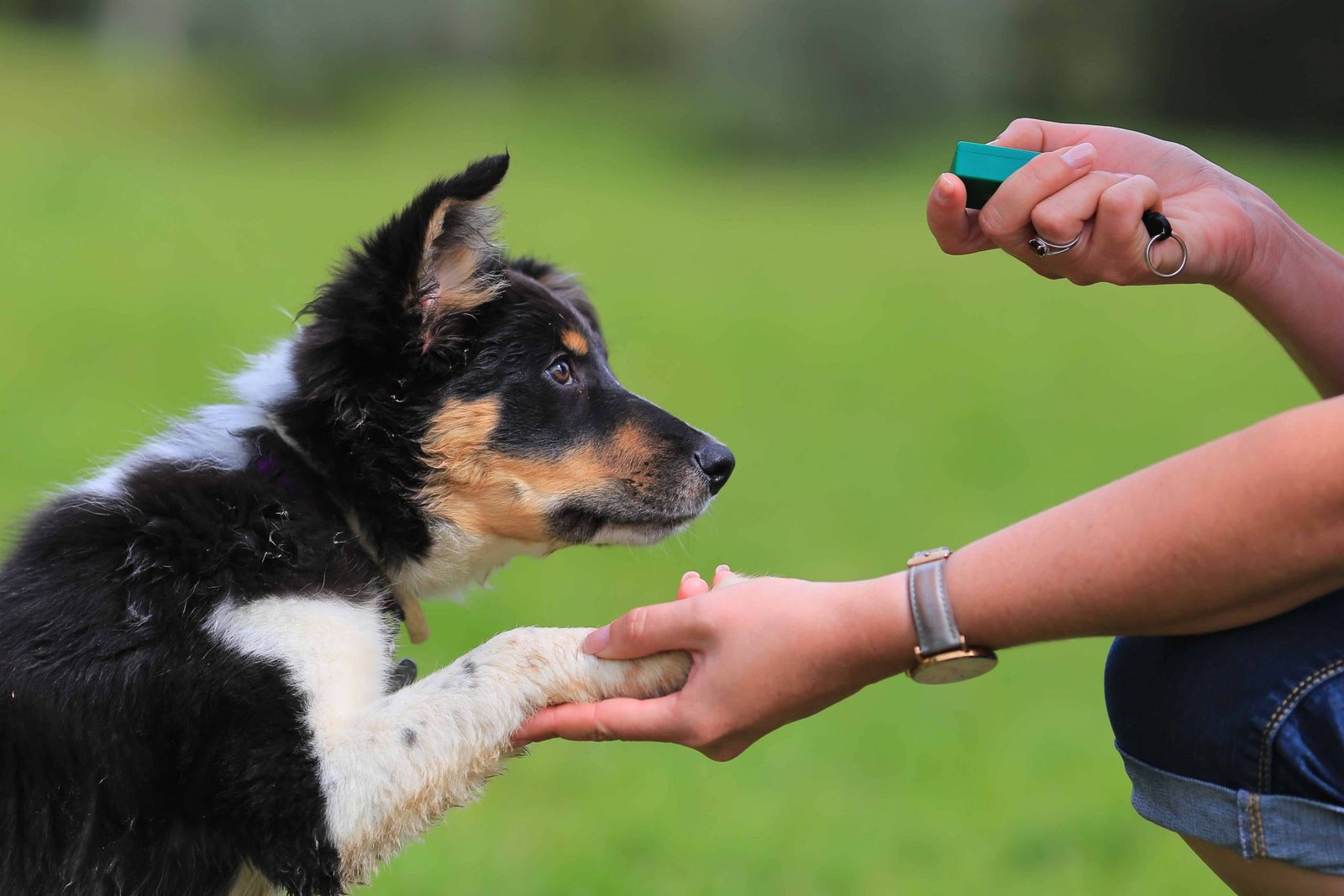
Dog clicker training has become a popular method among many U.S. dog owners because it makes learning simple and clear for dogs. Instead of correcting mistakes, this method focuses on rewarding actions that owners want to see more often.
After working with different training styles, many trainers find that a clicker helps create better communication between people and dogs. The small clicking sound acts like a bridge between the exact moment a dog does something right and the reward that follows.
Whether you have a new puppy, an adult rescue dog, or a senior companion, Dog clicker training can help build trust and improve everyday manners. The key is using the click at the right time and keeping sessions short and positive.

What Is Dog Clicker Training and How Does It Work?
Dog clicker training is a reward-based training method that uses a small handheld clicker to mark a desired behavior. The click sound tells your dog that they performed the correct action and a reward is coming.
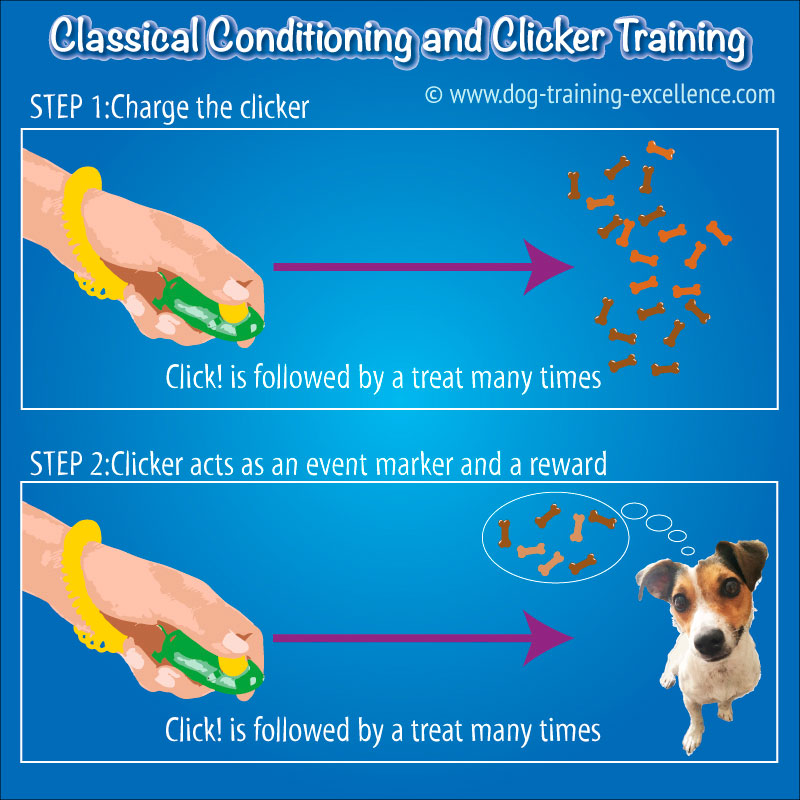
The idea is based on positive reinforcement. Dogs learn faster when they understand what earns praise, treats, or play. The click itself has no value until it is paired with something the dog enjoys.
A clicker does not replace your voice, commands, or relationship with your dog. It is simply a tool that improves timing and helps your dog understand your expectations.

- ✦ Clear communication
The click gives your dog an exact signal that identifies the behavior you want to reward.
- ✦ Positive learning
Dogs build confidence because they learn through success instead of fear or punishment.
- ✦ Better timing
The clicker helps owners reward actions at the right moment, even when behaviors happen quickly.
The Science Behind the Click
Dogs connect events through repetition. When a click always comes before a reward, the dog begins to see the sound as a promise of something good.
This connection allows owners to capture small moments of good behavior, such as sitting calmly, looking at you, or walking without pulling.
- ✦ Association
The dog learns that the click predicts a reward.
Benefits of Dog Clicker Training
Many dog owners choose Dog clicker training because it creates a positive learning environment. Dogs are more willing to try new behaviors when they feel safe and rewarded.
This approach can help with basic obedience, advanced tricks, and behavior improvement. It can also strengthen the bond between a dog and owner because training becomes a shared activity.

- ✦ Builds confidence
Dogs learn that making good choices leads to rewards, which can increase confidence.
- ✦ Improves focus
Training sessions encourage dogs to pay attention and engage with their owners.
- ✦ Works for many dogs
Puppies, adult dogs, and senior dogs can benefit from reward-based learning.
Using Clicker Training for Puppies
Puppies often learn quickly because they are naturally curious. Short clicker sessions can teach basic skills like their name, sitting, and coming when called.
For young dogs, patience matters more than perfection. A few minutes of daily practice is often better than one long session.
- ✦ Start simple
Teach one behavior at a time and reward small improvements.
How to Start Dog Clicker Training Step by Step
Starting Dog clicker training does not require expensive equipment. You only need a clicker, small treats, and a quiet place where your dog can focus.
The first goal is teaching your dog that the click sound means a reward is coming. This process is called charging the clicker.
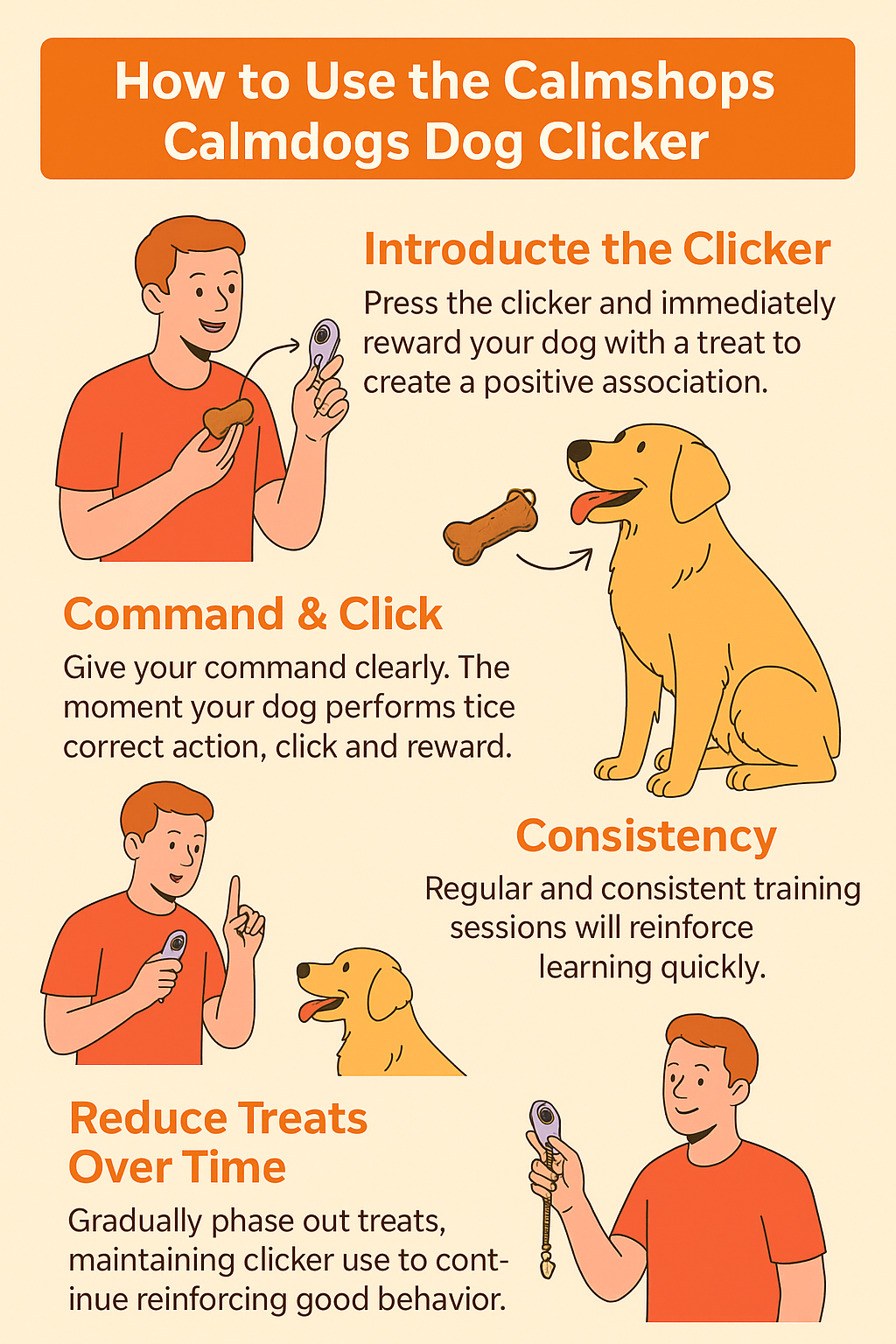
- ✦ Step 1: Introduce the click
Click once and immediately give your dog a treat. Repeat this several times until your dog understands the connection.
- ✦ Step 2: Mark simple behaviors
Click when your dog performs a behavior you like, then reward right away.
- ✦ Step 3: Add commands
Once your dog understands the behavior, add a verbal cue before the action.
The Importance of Timing
Good timing is one of the most important parts of Dog clicker training. The click should happen during the exact behavior you want to encourage.
If you click too late, your dog may connect the reward with the wrong action. Practice watching your dog’s body language to improve timing.
- ✦ Watch closely
Focus on the exact moment your dog makes the correct choice.
Common Mistakes in Dog Clicker Training
Dog clicker training is simple, but beginners often make small mistakes that slow progress. Understanding these mistakes can make sessions easier and more enjoyable.
A common problem is clicking without purpose. Every click should have meaning because it communicates a specific message to your dog.
- ✦ Clicking too late
Delayed clicks can confuse dogs because they may not know which behavior earned the reward.
- ✦ Long training sessions
Short sessions help dogs stay focused and prevent frustration.
- ✦ Using low-value rewards
Choose treats or rewards that motivate your dog during learning.
Avoiding Overdependence on the Clicker
The clicker is a teaching tool, not something your dog must depend on forever. As behaviors become reliable, owners can slowly reduce clicks and use normal praise.
The goal is a well-trained dog that responds even without the training tool present.
- ✦ Fade gradually
Reduce clicker use slowly after your dog understands the behavior.
Advanced Dog Clicker Training Techniques
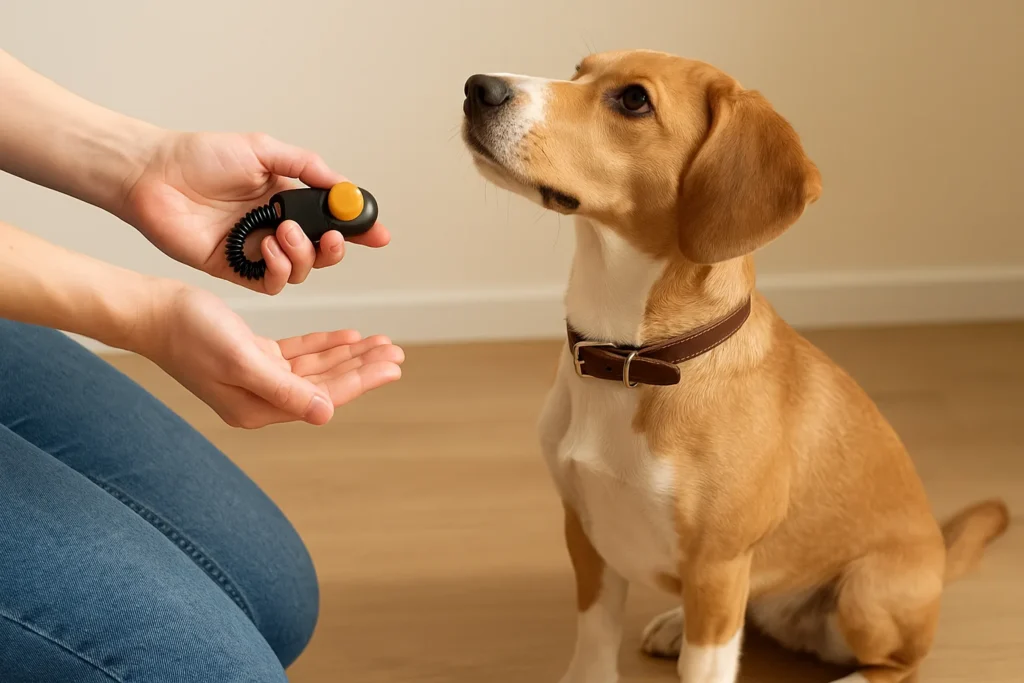
Once your dog understands basic skills, Dog clicker training can be used for advanced behaviors. Many owners use it for tricks, agility exercises, recall training, and complex tasks.
Advanced training works best when you break large behaviors into smaller steps. Reward each successful part before expecting the complete action.
- ✦ Shaping
Reward small steps that move your dog closer to the final behavior.
- ✦ Target training
Teach your dog to touch or follow an object to guide movement.
- ✦ Problem solving
Use training games to improve focus and reduce unwanted habits.
Using Clicker Training for Behavior Problems
Clicker training can support behavior changes by rewarding calm and appropriate actions. For serious aggression or fear issues, professional guidance is recommended.
Many owners use rewards to teach alternative behaviors, such as sitting quietly instead of jumping on guests.
- ✦ Reward calm behavior
Mark and reward moments when your dog stays relaxed.
