
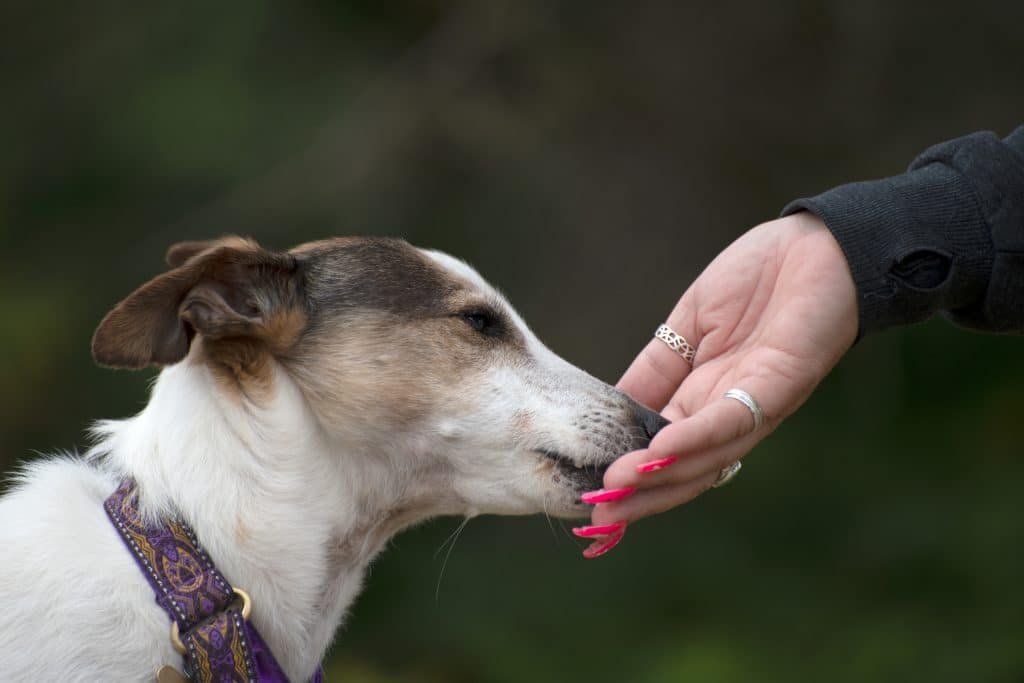
Dog reward timing is one of the most important parts of successful training. A dog does not understand rewards like a human does. Your dog connects the reward with the action happening at that exact moment. If the reward comes too late, your dog may learn the wrong behavior.
In professional dog training, timing is often the difference between slow progress and fast learning. I have seen many owners use good treats and kind methods but struggle because the reward arrives several seconds after the behavior. Clear timing helps dogs build confidence and understand what you want.

What is dog reward timing and why does it matter?
Dog reward timing means giving a reward at the right moment after your dog performs a desired action. The reward can be a treat, praise, a toy, or access to something your dog enjoys.
Dogs learn through associations. When a reward follows a behavior quickly, the dog links the action with the positive result. This makes commands like sit, stay, come, and leave it easier to teach.
- ✦ Creates clear communication
Good timing tells your dog exactly which action earned the reward.
- ✦ Builds repeatable habits
Dogs repeat behaviors that bring positive outcomes.
- ✦ Reduces confusion
Fast rewards prevent dogs from guessing which behavior you wanted.
The science behind reward timing
Positive reinforcement works because rewards increase the chance of a behavior happening again. The closer the reward is to the action, the stronger the connection becomes.
- ✦ Immediate feedback
A quick reward helps your dog understand the exact behavior you want.
The best time to reward your dog during training
The best dog reward timing happens immediately after your dog completes the correct behavior. For example, when teaching sit, reward the moment your dog’s bottom touches the floor.
Many beginners reward too late. They say good dog, reach for a treat, and deliver it after the dog has already moved. This can create unclear signals.

- ✦ Reward during the action
Mark the behavior while your dog is still doing the correct thing.
- ✦ Use a marker word
Words like yes or good can help bridge the moment between behavior and reward.
Examples of correct reward moments
Reward a puppy when it sits calmly instead of jumping. Reward a dog when it looks at you after hearing its name. These small moments create strong daily habits.
- ✦ Calm behavior
Reward quiet sitting, relaxed body language, and patience.
Common dog reward timing mistakes owners make
Even experienced owners can make timing mistakes. The most common issue is rewarding the wrong moment because the reward arrives after the behavior has changed.
Good training is not only about choosing the right treat. It is about delivering feedback that your dog can understand.
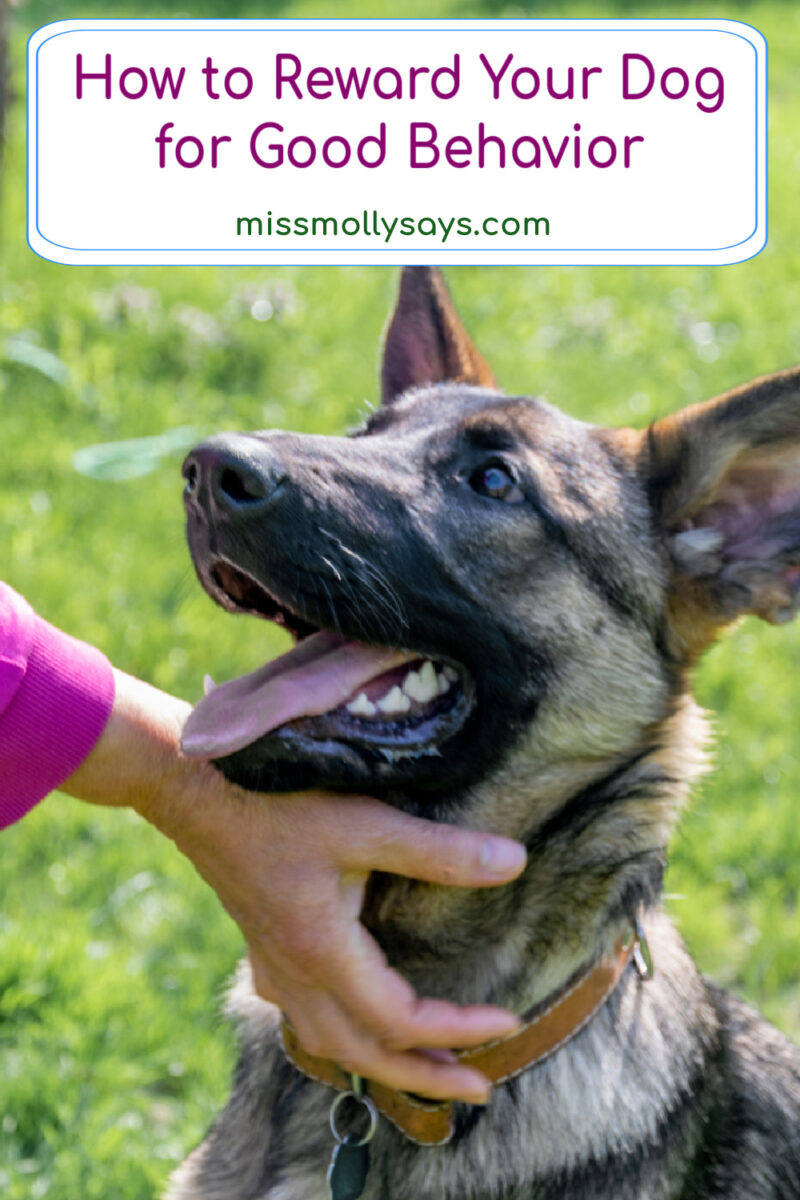
- ✦ Waiting too long
A delayed reward may teach your dog a different behavior than intended.
- ✦ Rewarding unwanted actions
Giving attention when a dog jumps can accidentally encourage jumping.
- ✦ Inconsistent timing
Changing reward timing often makes learning slower.
How to improve your timing skills
Practice without your dog first. Hold a treat pouch, choose a marker word, and imagine the exact moment you would reward. This builds better habits before training sessions.
- ✦ Prepare rewards early
Keep treats ready so you do not lose the training moment.
How reward timing changes for puppies and adult dogs
Puppies need very clear and fast rewards because they are still learning basic rules. Short training sessions with frequent rewards usually work best.
Adult dogs can learn new behaviors too, but their reward schedule may need adjustment. Some dogs need more motivation, while others respond well to praise and play.
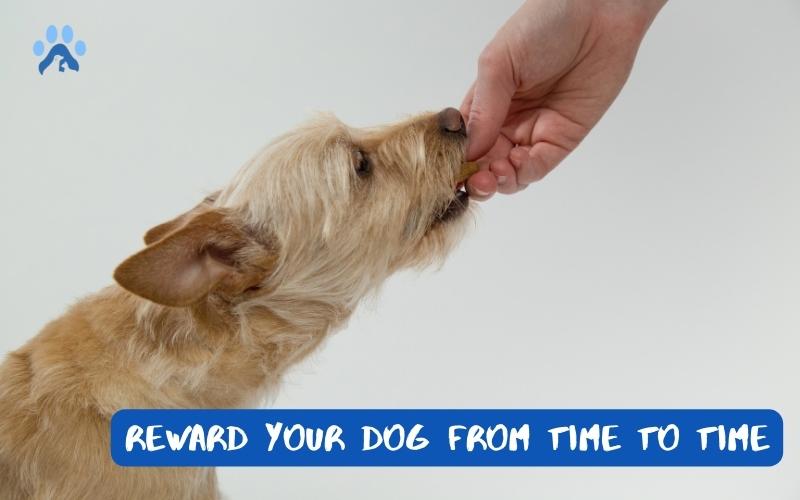
- ✦ Puppy training
Use immediate rewards for simple behaviors like name recognition and potty training.
- ✦ Adult dog training
Gradually reduce treats while keeping praise and rewards meaningful.
Using rewards in everyday American households
Busy U.S. families often train dogs during walks, meal times, and normal home routines. Rewarding good behavior during these moments helps dogs understand real-life expectations.
- ✦ Daily practice
Small training moments throughout the day can create lasting results.
Choosing the right reward for effective dog training
The best reward depends on what your dog values most. Some dogs work hard for small treats, while others prefer toys, praise, or play time.
Dog reward timing works best when the reward is valuable enough to motivate your dog. A boring reward may not create strong interest.
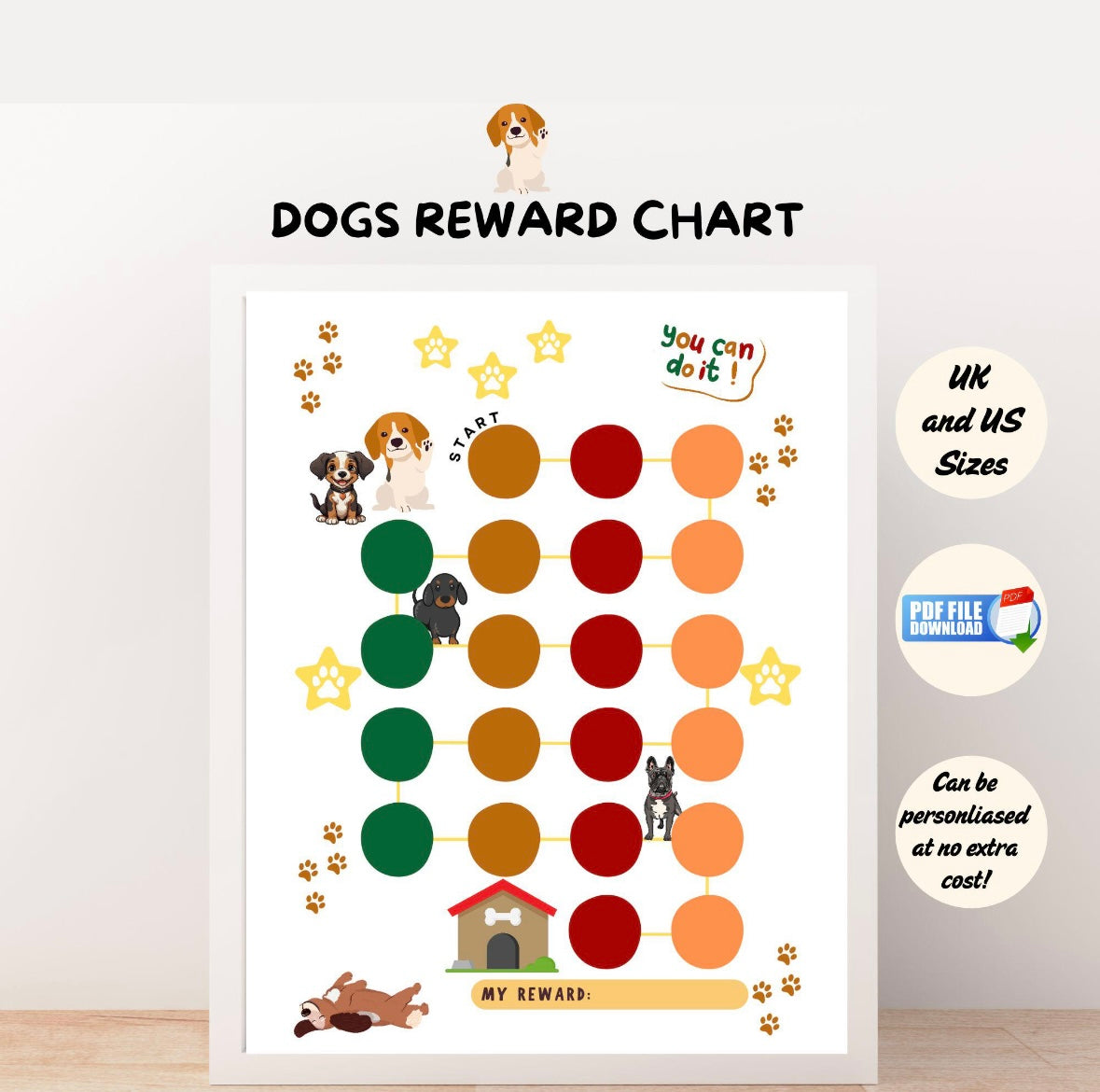
- ✦ Food rewards
Small treats are useful for teaching new behaviors because they are quick to deliver.
- ✦ Life rewards
Access to walks, sniffing, or play can also reward good choices.
Building a balanced reward system
A balanced approach uses different rewards over time. This keeps training exciting and helps your dog respond even when treats are not available.
- ✦ Mix rewards
Combine treats, praise, toys, and activities based on your dog’s preferences.
