
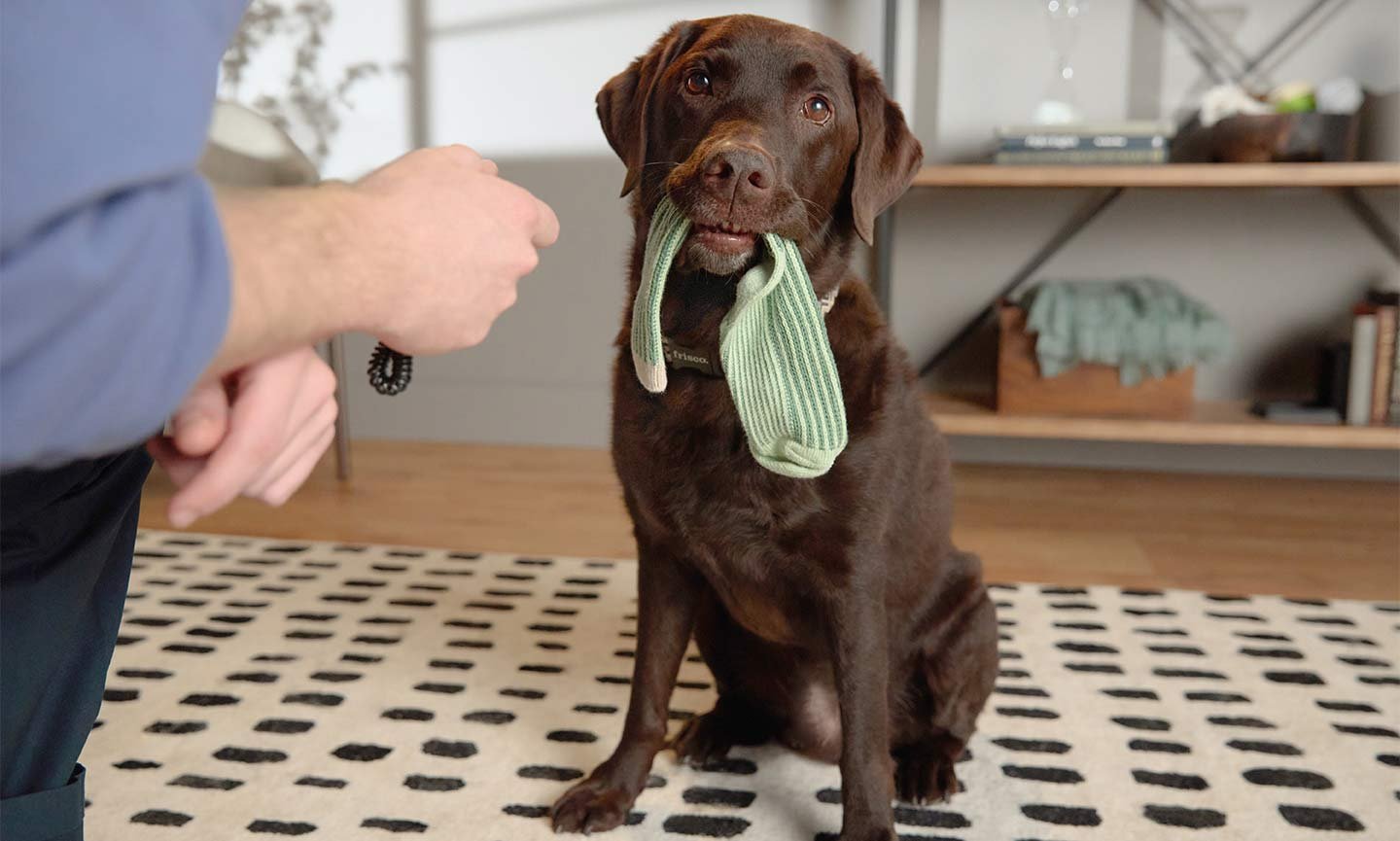
A reliable drop it command is one of the most useful skills a dog can learn. Dogs explore the world with their mouths, so they often grab socks, toys, sticks, trash, or unsafe objects. A trained release cue can help prevent problems and keep your dog safer at home and outdoors.
In professional dog training, I have found that dogs learn faster when owners make releasing an object rewarding. Dog drop it training should never feel like a battle. The goal is to teach your dog that giving something up leads to praise, treats, or another fun activity.

What Is Dog Drop It Training and Why Does It Matter?
Dog drop it training teaches your dog to open their mouth and release an object when you give a specific verbal cue. The command is different from leave it because leave it means do not touch something, while drop it means give up something already held.
This skill is useful for family dogs across the United States because pets often encounter unsafe items during walks, backyard play, or daily routines. A strong drop it response can help prevent swallowing dangerous objects or damaging valuable items.
- ✦ Improves safety
The command helps dogs release harmful items such as food scraps, small toys, or household objects.
- ✦ Builds communication
Dogs learn clear signals and understand what owners expect during play and daily life.
- ✦ Reduces conflict
A trained dog is less likely to turn object removal into a chase or tugging game.
Drop It vs Leave It
These commands work together but solve different problems. Leave it prevents your dog from picking something up, while drop it teaches your dog to release something already in their mouth.
How to Start Dog Drop It Training Step by Step
The best dog drop it training starts with a low-value toy and a calm environment. Avoid starting with your dog’s favorite item because the excitement level may be too high.
Use rewards your dog loves. The idea is to show your dog that releasing an item does not mean losing everything. Instead, it creates a chance for praise or another reward.

- ✦ Step 1: Offer a toy
Give your dog a toy and allow them to hold it for a moment.
- ✦ Step 2: Add the cue
Say drop it once, then place a treat near your dog’s nose.
- ✦ Step 3: Reward the release
When your dog opens their mouth, praise them and provide the reward.
Keep Training Sessions Short
Most dogs learn better with short sessions. Practice for a few minutes each day instead of repeating the command until your dog becomes frustrated.
Common Mistakes During Dog Drop It Training
Many owners make dog drop it training harder by chasing their dog or forcing objects from their mouth. These actions can teach a dog that holding items creates attention and excitement.
A calm approach creates better results. Reward the behavior you want instead of turning the situation into a competition.

- ✦ Taking items by force
Pulling objects away can make some dogs hold tighter or become protective.
- ✦ Repeating the command many times
Saying drop it repeatedly can teach dogs to ignore the cue.
- ✦ Using only punishment
Punishment can reduce trust and may increase unwanted guarding behaviors.
How to Make the Drop It Command Work in Real Life
Dogs do not automatically understand that a command learned in your living room also applies outside. Good dog drop it training includes practice in different places with different distractions.
Once your dog understands the basics, slowly increase difficulty. Practice with toys, outdoor items, and situations that match your daily routine.

- ✦ Practice with different objects
Use toys, safe household items, and outdoor training objects.
- ✦ Increase distractions slowly
Move from quiet rooms to parks and busy areas over time.
- ✦ Reward success
Continue rewarding your dog even after they understand the command.
Helping Puppies Learn Drop It
Puppies often pick up everything they find. Early dog drop it training helps puppies build safe habits before unwanted behaviors become stronger.
Dog Drop It Training for Resource Guarding Problems
Some dogs growl, freeze, or become tense when owners approach valuable items. This behavior may be related to resource guarding and requires careful handling.
Dog drop it training can help improve trust, but owners should avoid forcing a dog to surrender important items. Severe guarding cases may need help from a qualified professional trainer.

- ✦ Watch body language
Look for stress signs such as stiff posture, growling, or avoidance.
- ✦ Trade instead of take
Offer something valuable so your dog learns that giving items up is safe.
