
A strong leave it command can protect your dog during everyday moments. In the United States, dogs often explore sidewalks, parks, yards, and busy neighborhoods where they may find food scraps, trash, or unsafe objects.
Through my experience studying dog behavior and training methods, I have found that dogs learn best when owners reward the behavior they want. Dog leave it training is not about punishment. It is about teaching your dog that choosing you brings better rewards.
This guide explains how to teach the leave it command from the beginning, how to avoid common mistakes, and how to make the skill work outside your home.
What Is Dog Leave It Training and Why Does It Matter?
Dog leave it training teaches your dog to stop focusing on an object, smell, animal, or distraction when you give a verbal cue. The goal is not only to stop a behavior but also to build calm decision-making.
A dog with a reliable leave it command can avoid dangerous items like dropped medication, sharp objects, toxic foods, and garbage. This skill also helps during walks when your dog notices something interesting on the ground.
- ✦ Safety
The command can prevent your dog from picking up harmful objects.
- ✦ Better focus
Your dog learns to pay attention to your guidance instead of distractions.
- ✦ Improved manners
The command helps reduce unwanted behaviors like begging and scavenging.
Leave It vs Drop It
Leave it means your dog should not touch something. Drop it means your dog already has something and should release it.
Both commands are useful, but dog leave it training usually comes first because it prevents your dog from picking items up.
How to Start Dog Leave It Training at Home
Start dog leave it training in a quiet room with few distractions. Use small treats that your dog enjoys and keep training sessions short.
The first goal is simple: teach your dog that ignoring something boring can lead to something better. Reward your dog when they choose to move away from the item.

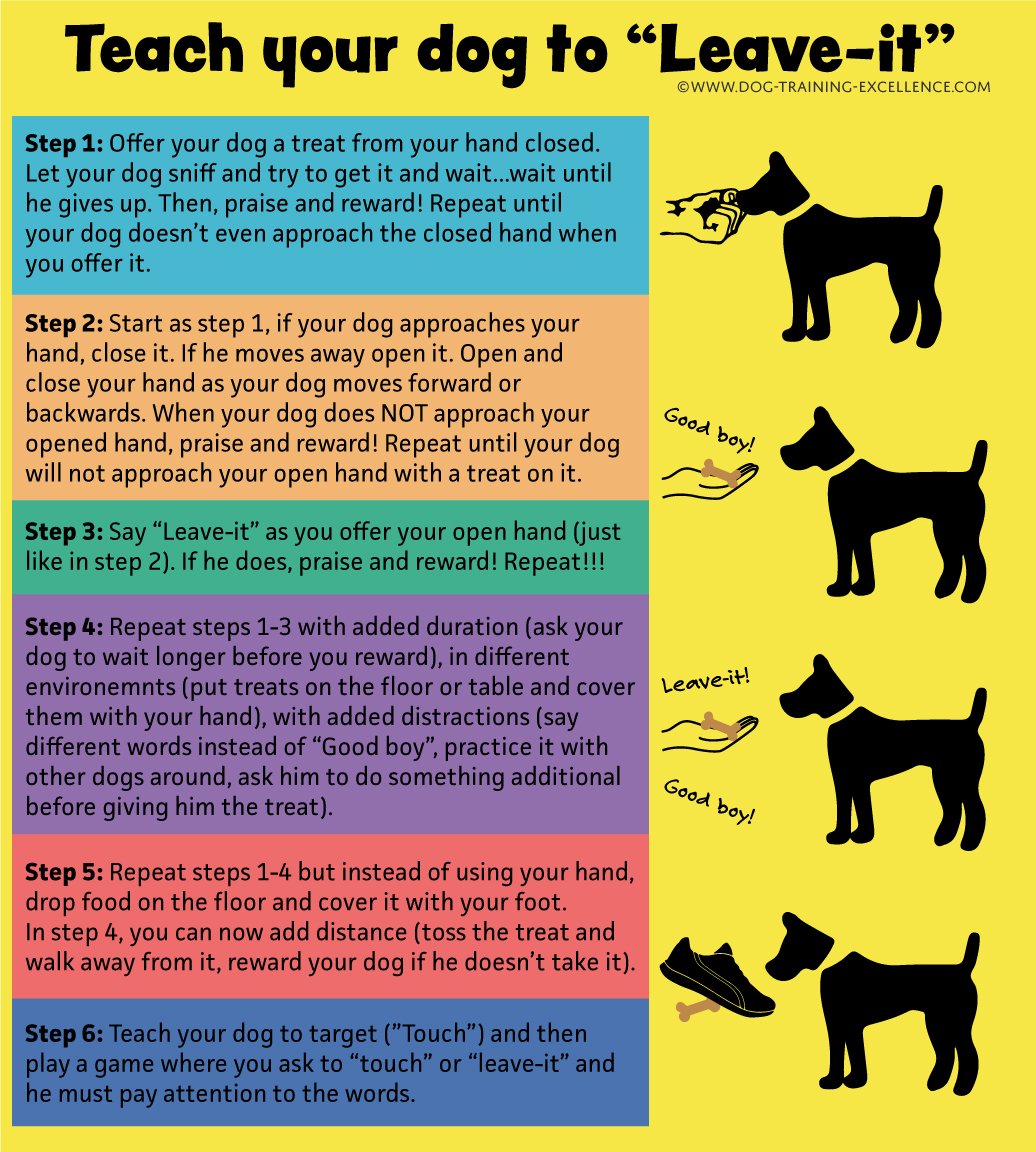
- ✦ Step 1: Hide a treat in your hand
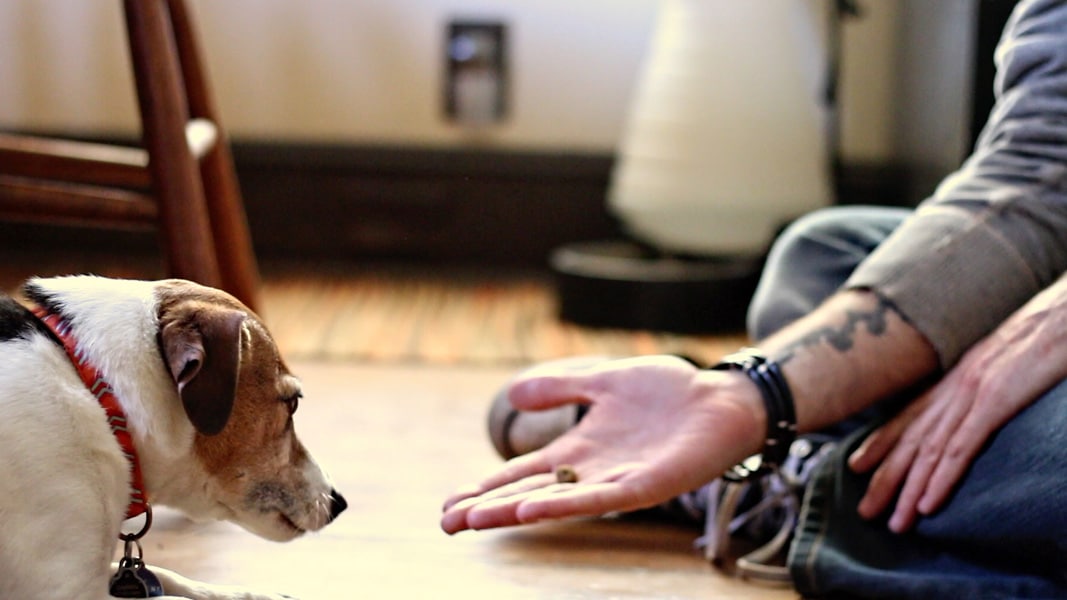
Close your hand around a treat and let your dog sniff it without giving access.
- ✦ Step 2: Add the cue
Say leave it once, then reward your dog when they stop trying to get the treat.
- ✦ Step 3: Increase difficulty
Move from your hand to the floor and later to real-world distractions.
Use Rewards Instead of Force
Positive reinforcement makes learning easier because your dog understands what action earns a reward. Avoid yelling or grabbing items repeatedly because this can create confusion or stress.
A calm reward-based approach builds trust and creates a dog that responds even when distractions appear.
A Step-by-Step Dog Leave It Training Method
A structured process helps your dog understand the command without frustration. Many owners make the mistake of testing their dog too quickly with difficult distractions.
Good dog leave it training moves from easy exercises to challenging situations over time.

- ✦ Practice with a closed hand
Reward your dog for looking away from the hidden treat.
- ✦ Practice with an open hand
Teach your dog that waiting calmly earns a reward.
- ✦ Practice with floor distractions
Place safe items on the ground and reward your dog for ignoring them.
- ✦ Practice outdoors
Move training to walks, parks, and areas with more distractions.
How Long Does Dog Leave It Training Take?
The time needed for dog leave it training depends on your dog’s age, personality, motivation, and previous training. Some dogs understand the basic idea quickly, while others need more repetition.
Short daily sessions are usually more effective than long sessions. Five minutes of focused practice each day can create steady progress.
- ✦ Puppies
Young dogs often learn quickly because they are building habits from the beginning.
- ✦ Adult dogs
Older dogs can learn well but may need extra patience if they have strong habits.
- ✦ High-energy dogs
Dogs with high excitement levels may need more impulse control practice.
Signs Your Dog Is Improving
Your dog may begin looking at you after hearing the cue, walking away from distractions, or waiting for permission before taking an item.
These small changes show that your dog is learning self-control.
Common Dog Leave It Training Mistakes to Avoid
Many owners struggle because they expect too much too soon. Training works best when the dog understands each step before moving forward.
Avoid using the command repeatedly without results. If you say leave it many times, your dog may learn that the cue has no real meaning.
- ✦ Training with dangerous items too early
Begin with simple objects before testing real-life challenges.
- ✦ Punishing mistakes
Punishment can reduce confidence and make learning harder.
- ✦ Skipping practice
Dogs need regular repetition to remember commands.
Using Dog Leave It Training During Walks and Daily Life
The real value of dog leave it training appears outside your home. Walks create natural challenges because your dog sees smells, food, people, and animals.
Practice during calm moments first. Reward your dog when they notice a distraction and choose to focus on you.

- ✦ Sidewalk training
Teach your dog to ignore trash, food scraps, and objects on the ground.
- ✦ Home training
Use the command around dropped food, toys, and household items.
- ✦ Park training
Practice around new smells and outdoor distractions.
Advanced Dog Leave It Training for Stronger Control
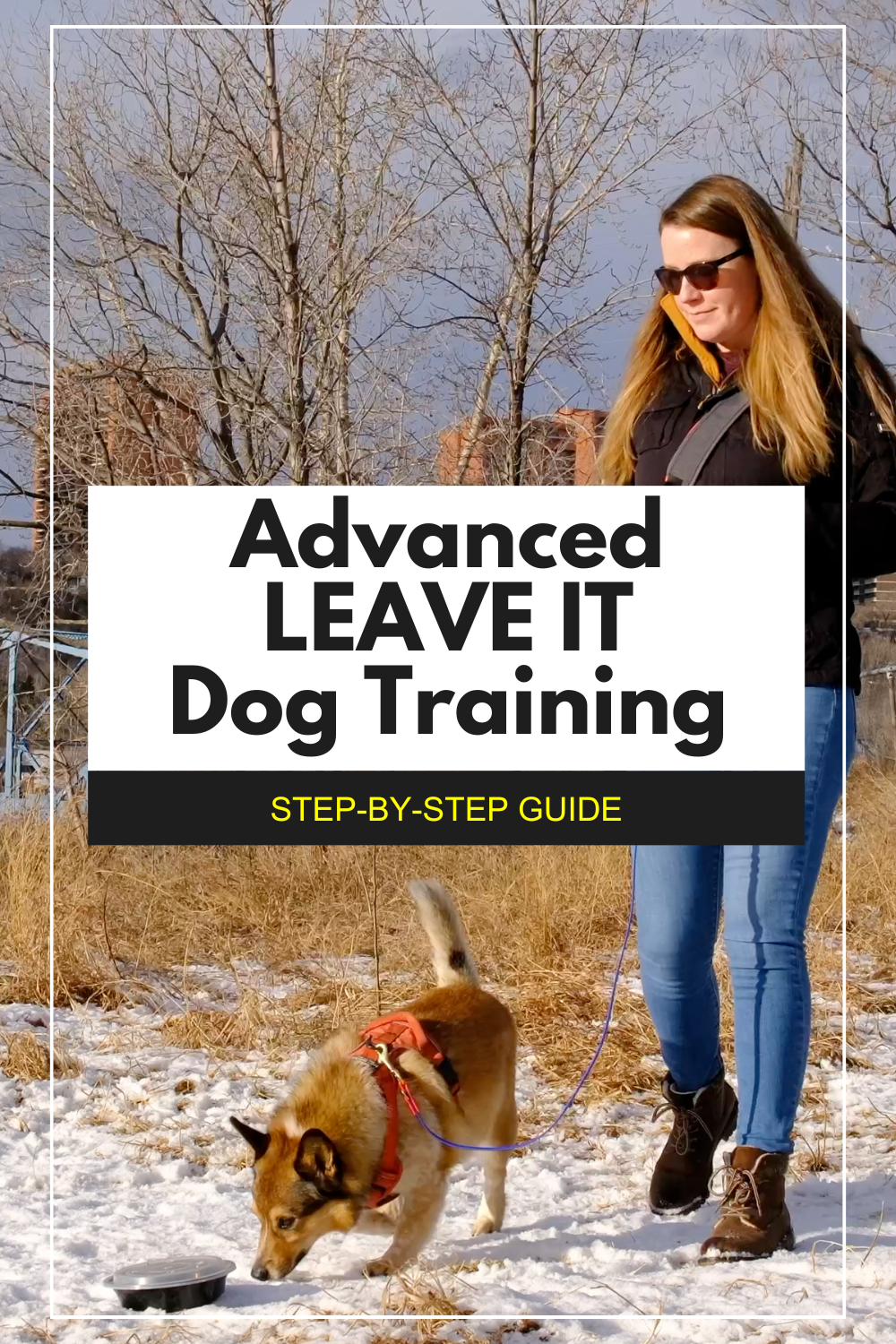
Once your dog understands the basic command, you can increase difficulty by adding movement, distance, and stronger distractions.
Advanced dog leave it training helps dogs make better choices even when excitement is high.

- ✦ Add movement
Practice while walking past interesting objects.
- ✦ Increase distance
Ask your dog to leave items without standing directly beside them.
- ✦ Reward calm choices
Continue rewarding self-control even after your dog understands the command.
