
A strong recall is one of the most valuable skills a dog can learn. In my experience working with training plans, dogs respond best when coming to their owner feels exciting and rewarding. A dog that enjoys returning will choose you over distractions.
Dog recall training is not only about teaching a command like “come.” It builds trust between you and your dog. Whether you visit a U.S. dog park, hike a local trail, or play in your backyard, reliable recall can help keep your dog safe.
Many dogs fail recall because owners call them only when fun ends. Good training makes coming back a positive experience. Small daily sessions create better results than rare long training sessions.

What Is Dog Recall Training and Why Does It Matter?
Dog recall training teaches your dog to return to you after hearing a specific word, sound, or signal. Most owners use words like “come” or create a special recall cue.
A reliable recall can prevent dangerous situations. It can help stop a dog from running toward roads, wildlife, other animals, or unsafe areas.
Recall is also a relationship skill. Dogs that trust their owners and enjoy training usually learn faster and respond with more confidence.
- ✦ Safety
A strong recall helps you call your dog away from possible dangers.
- ✦ Freedom
Good recall allows safer outdoor activities with more off-leash freedom.
- ✦ Communication
Recall creates a clear way for you and your dog to communicate.
The Difference Between Basic and Reliable Recall
A dog may come inside the house but ignore you outside. Reliable recall means your dog can respond even around distractions like people, smells, toys, and other dogs.
How to Start Dog Recall Training Step by Step
Start training in a quiet area where your dog can focus. A living room, hallway, or fenced yard is often a good first place.
Use a happy voice and reward your dog every time they move toward you. The goal is to make your recall word valuable.
Avoid calling your dog for unpleasant things at the beginning. Do not use recall only for baths, nail trims, or leaving the park.
- ✦ Choose a recall word
Pick one clear word and use it consistently during training.
- ✦ Use rewards
Offer treats, praise, toys, or play when your dog comes to you.
- ✦ Practice often
Short daily sessions help your dog remember the behavior.
The Name Game Exercise
Say your dog’s name when they are close and looking at you. Reward attention first because a dog must notice you before they can respond to a recall cue.
The Best Rewards and Techniques for Strong Recall
Positive reinforcement is one of the most common approaches in modern dog training. It means rewarding behaviors you want to see again.
Different dogs enjoy different rewards. Some dogs love small treats, while others prefer a favorite toy or enthusiastic praise.
The reward should match the difficulty level. Coming away from a strong distraction deserves a bigger reward than walking a few steps indoors.

- ✦ High-value treats
Small pieces of tasty food can motivate many dogs during recall practice.
- ✦ Recall games
Games make training fun and encourage your dog to run toward you.
- ✦ Variable rewards
Changing rewards helps maintain interest over time.
Common Dog Recall Training Mistakes to Avoid
Many recall problems happen because of mistakes made during everyday life. The biggest issue is teaching a dog that ignoring the recall cue has no consequence.
Owners often repeat the command many times. If a dog hears “come, come, come” without responding, the word can lose meaning.
Good training focuses on setting your dog up for success instead of testing them too early.

- ✦ Calling too soon
Avoid calling your dog when distractions are too strong for their current skill level.
- ✦ Punishing returns
Never punish your dog after they finally come back because it can reduce trust.
- ✦ Lack of practice
Recall needs regular practice in different locations.
Why Dogs Ignore Recall Commands
Dogs may ignore recall because the environment is more rewarding than returning. Strong smells, animals, and play can compete with your voice.
How to Build an Emergency Recall Command
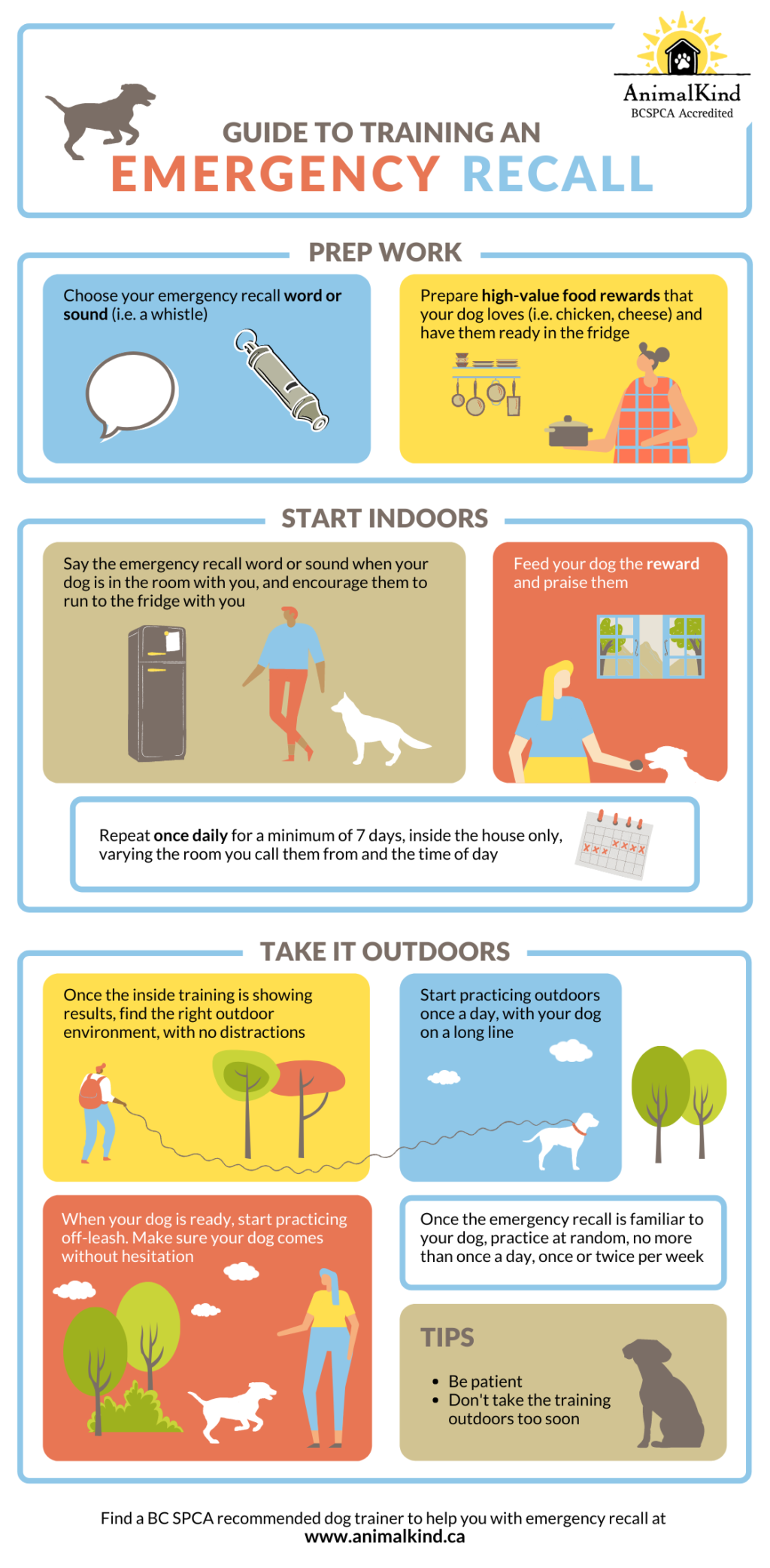
An emergency recall is a special cue used only for urgent situations. It should have a powerful reward history.
Choose a unique word or sound that your dog does not hear often. Practice it when success is almost guaranteed before using it in difficult situations.
- ✦ Create excitement
Make the emergency cue highly rewarding every time.
- ✦ Avoid overuse
Save this cue for important moments so it keeps value.
Training Recall Around Real-Life Distractions
After your dog learns recall at home, slowly increase difficulty. Move from quiet areas to yards, parks, and places with more distractions.
A long training leash can provide safety while allowing your dog more freedom. It helps you practice without allowing a full escape.
Every successful recall builds confidence. Progress slowly and celebrate small improvements.

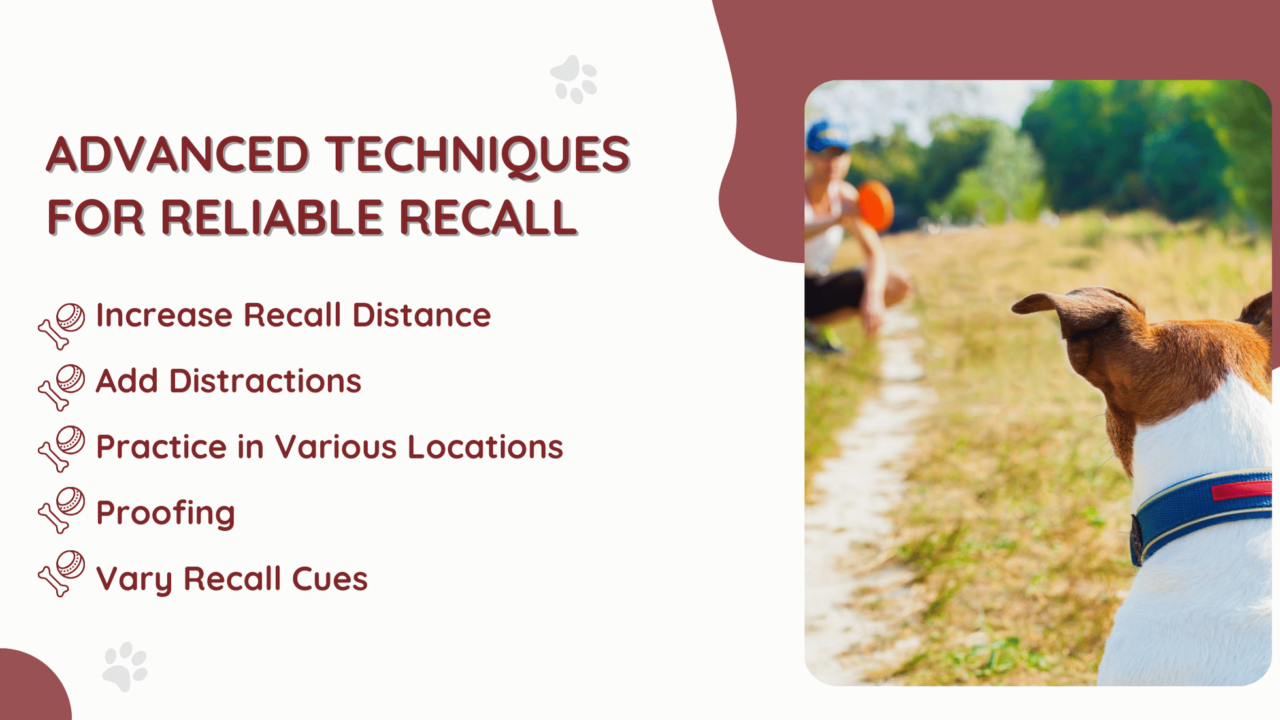
- ✦ Increase distance
Call your dog from farther away as their skill improves.
- ✦ Add distractions
Practice around mild distractions before harder ones.
