
Dog crate training is one of the most useful skills for dogs and their owners. A crate can help with house training, travel, safety, and creating a calm resting area. When done correctly, the crate is not a punishment tool. It becomes a place where your dog feels relaxed and secure.
Over the years, many dog owners have told me they struggled because they introduced the crate too quickly. The dogs were not afraid of the crate itself. They were afraid because they had no time to build trust. A patient routine with rewards can change the entire experience.
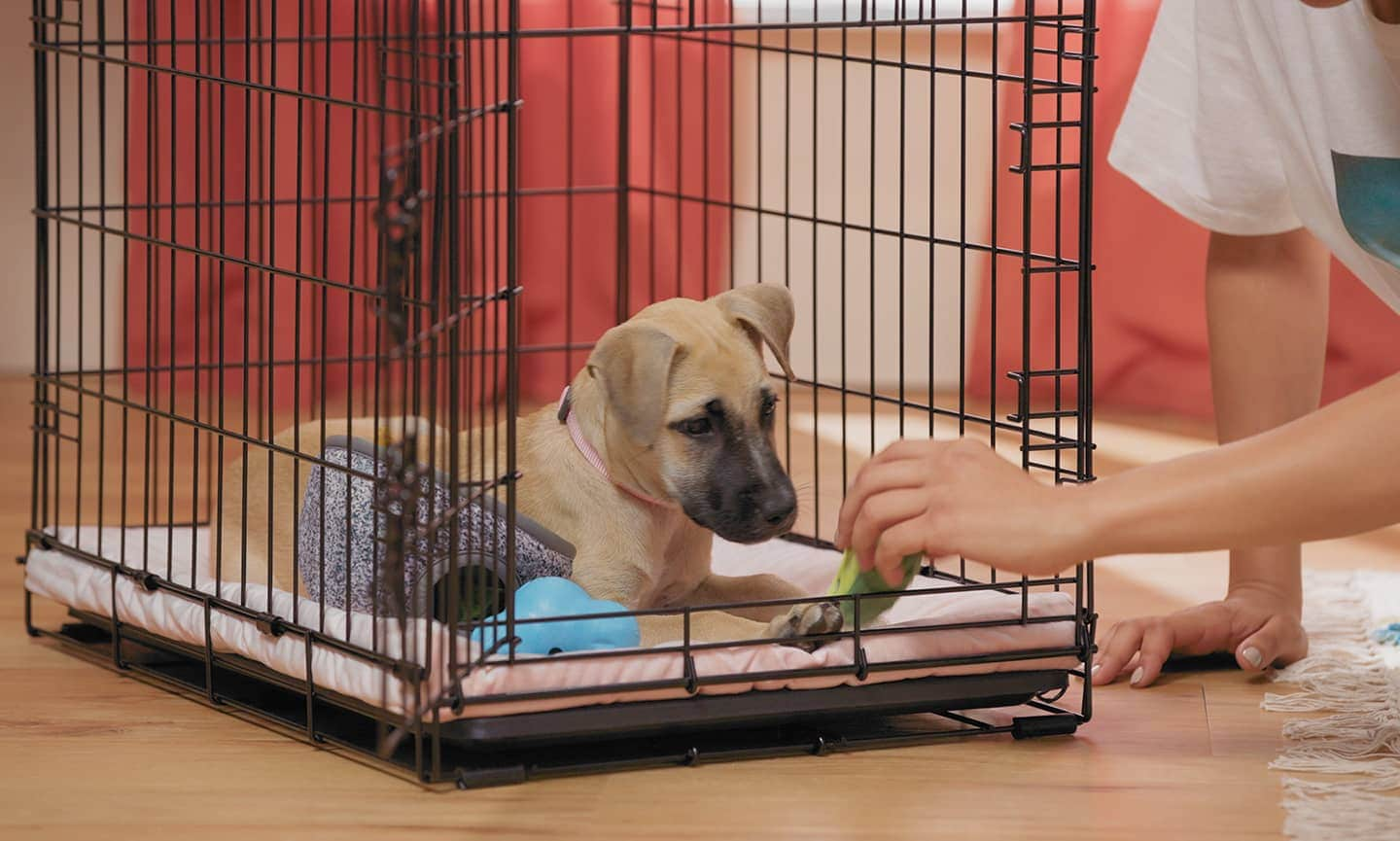
What Is Dog Crate Training and Why Does It Matter?
Dog crate training is the process of teaching a dog to stay calmly inside a crate for short periods. The goal is to make the crate feel like a private bedroom rather than a place of isolation.
Many dogs naturally enjoy small, comfortable spaces. A well-designed crate can give them a quiet area to rest after play, during travel, or when the home becomes busy.
- ✦ Creates a safe space
A crate gives your dog a familiar area where they can relax and avoid stress from noise, visitors, or activity.
- ✦ Supports house training
Dogs usually avoid soiling their sleeping area, which can help puppies learn bathroom routines.
- ✦ Improves safety
A crate can protect dogs during car rides or when they need to stay away from unsafe household items.
The Difference Between a Crate and a Cage
A crate should provide comfort, not restriction. The word cage often creates the idea of confinement, while a crate should represent a positive resting place.
Responsible dog owners use crates as one part of a balanced routine. Dogs still need exercise, play, training, and social time every day.
Choosing the Right Crate for Your Dog
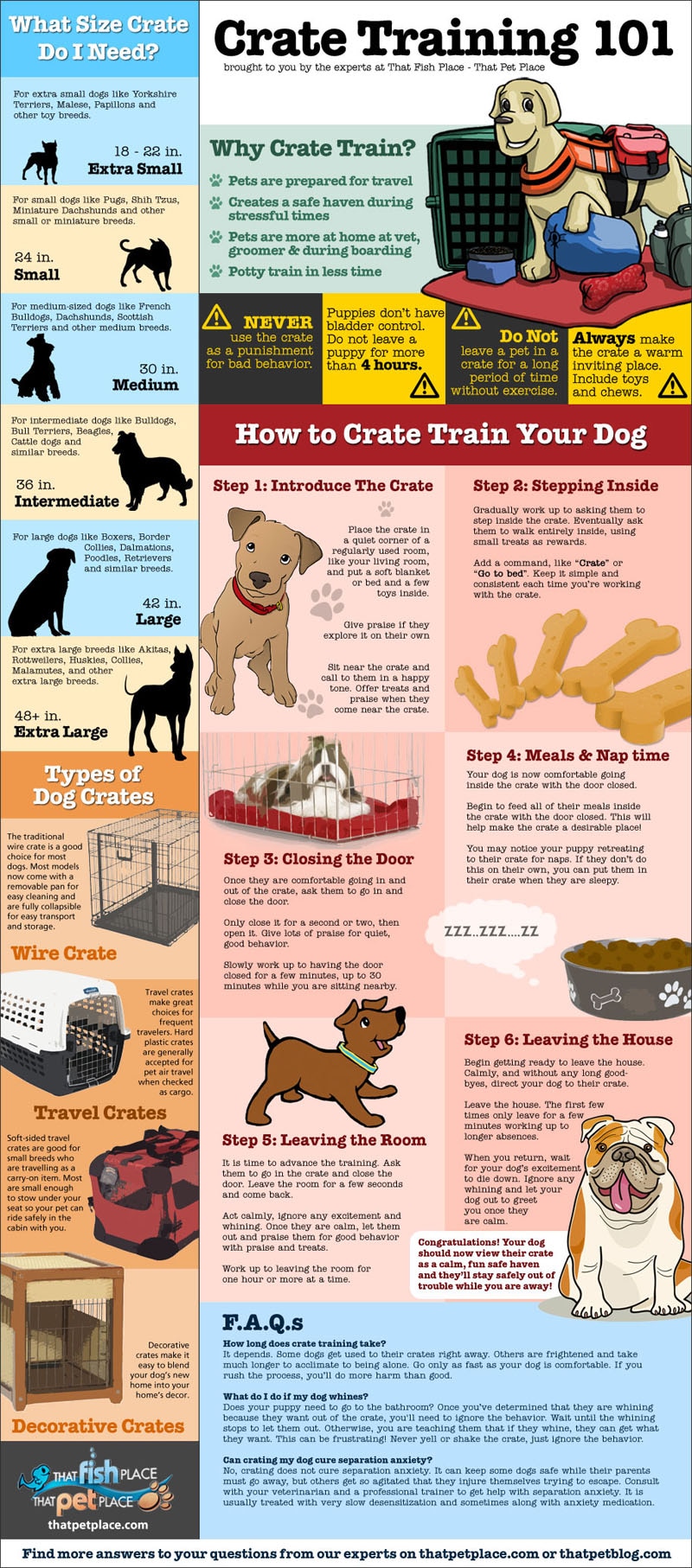
The right crate makes dog crate training much easier. A crate should allow your dog to stand, turn around, stretch, and lie down comfortably.
A crate that is too large may make puppy house training harder because some puppies may use one corner as a bathroom area. A crate that is too small can feel uncomfortable.
- ✦ Measure your dog first
Measure your dog’s height and length before buying a crate to choose a suitable size.
- ✦ Consider your dog’s needs
Plastic crates work well for travel, while wire crates often provide better airflow and visibility at home.
- ✦ Add comfort items
A safe mat, blanket, or approved toy can make the crate feel more inviting.
How to Start Dog Crate Training Step by Step
Successful dog crate training begins with small steps. Do not force your dog into the crate or close the door for long periods on the first day.
The goal is to build positive feelings. Your dog should choose to enter the crate because good things happen there.
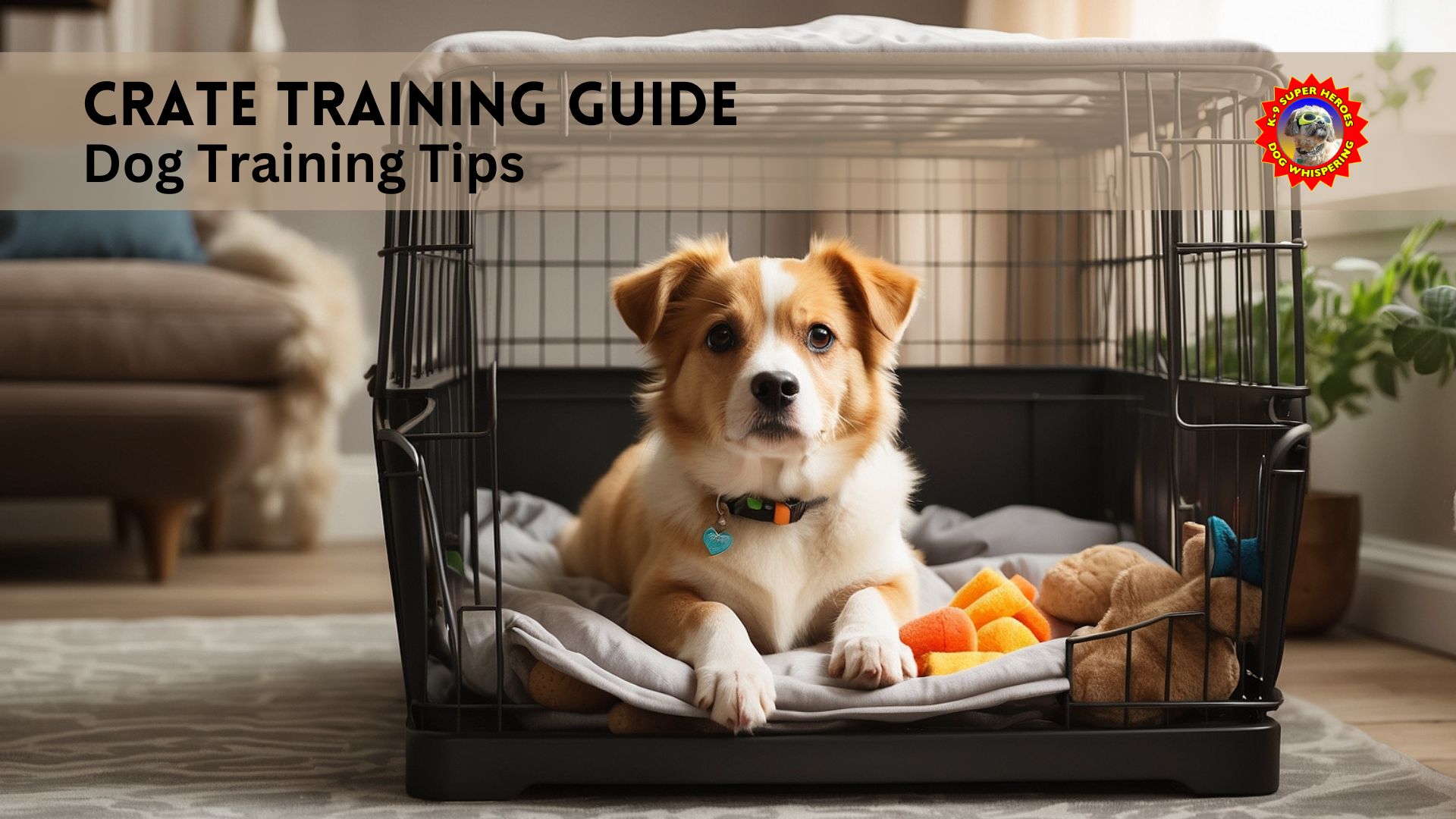
- ✦ Step 1: Introduce the crate
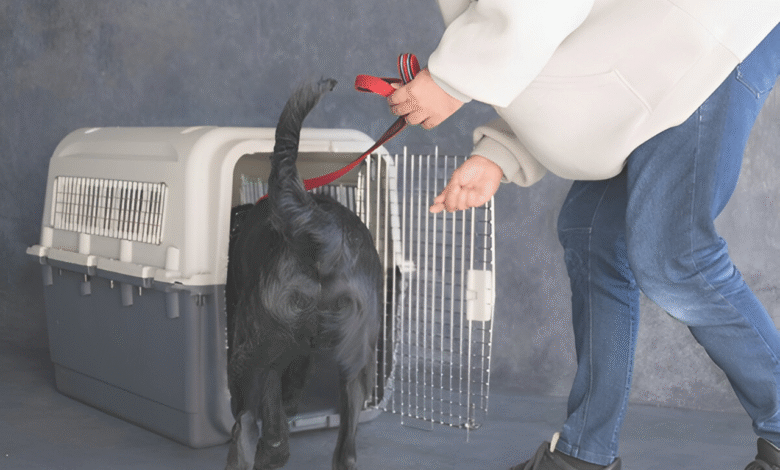
Place the crate in a common area and allow your dog to explore it without pressure.
- ✦ Step 2: Use rewards
Give treats, praise, or meals near the crate to create positive associations.
- ✦ Step 3: Increase time slowly
Start with a few seconds of calm crate time and gradually increase the duration.
- ✦ Step 4: Practice leaving briefly
Leave the room for short periods and return calmly to teach your dog independence.
Using Positive Reinforcement During Training
Positive reinforcement means rewarding behaviors you want to see again. Treats, praise, and calm encouragement help dogs understand that the crate is a good place.
Avoid yelling or using the crate after bad behavior. This can create fear and make training much harder.
Dog Crate Training for Puppies
Puppies often learn crate training quickly because they are still developing habits. However, young puppies need frequent bathroom breaks and should not spend long hours inside a crate.
A consistent schedule helps puppies understand when to sleep, eat, play, and go outside. Many American families use crate routines to support busy work schedules while keeping puppies safe.

- ✦ Create a daily routine
Take puppies outside after waking, eating, playing, and crate time.
- ✦ Expect small mistakes
Accidents are normal during puppy training and should be handled calmly.
Nighttime Puppy Crate Training
Many puppies cry during the first nights because they are adjusting to a new environment. A calm bedtime routine can help them settle.
Keep nighttime trips quiet and boring. Avoid turning bathroom breaks into play sessions.
Common Dog Crate Training Mistakes to Avoid
Many crate training problems happen because owners move too fast. Dogs need time to understand that the crate is a safe place.
Avoid using the crate as punishment. If your dog connects the crate with fear, they may resist entering it.

- ✦ Leaving a dog too long
Dogs need movement, bathroom breaks, and social interaction throughout the day.
- ✦ Forcing entry
Pushing or dragging a dog into a crate can damage trust.
- ✦ Ignoring exercise needs
A dog with extra energy may struggle to relax inside a crate.
How Long Can a Dog Stay in a Crate?
The amount of crate time depends on your dog’s age, health, energy level, and training progress. Puppies usually need more frequent breaks than adult dogs.
A crate should be part of a balanced lifestyle. Dogs need daily walks, mental stimulation, training, and time with their family.
- ✦ Puppies
Young puppies need shorter crate periods and regular bathroom breaks.
- ✦ Adult dogs
Many adult dogs can handle longer periods when properly trained and exercised.
- ✦ Senior dogs
Older dogs may need extra comfort and more frequent breaks.
