
Dog scent memory is one of the most powerful parts of canine behavior. A dog does not experience the world mainly through sight like humans do. Instead, smell helps a dog identify family members, explore new areas, and understand what happened around them.
From my experience studying dog behavior and scent-based activities, I have seen how quickly dogs react when they encounter a familiar smell. A simple item like an owner’s shirt can create a strong response because the scent carries information about safety, connection, and history.
How Dog scent memory works
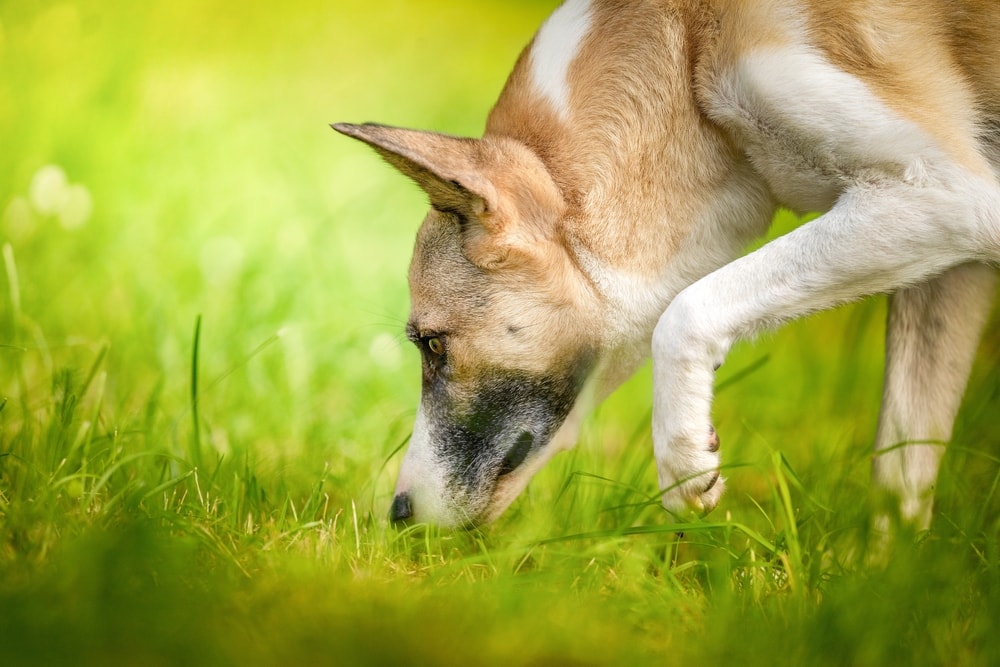
Dog scent memory begins when odor molecules enter a dog’s nose and reach special smell receptors. The brain then processes this information and connects it with previous experiences.
Dogs do not simply recognize a smell. They understand what that smell means. A familiar human scent may represent comfort, while a new scent may signal something unknown that needs investigation.

- ✦ Smell recognition
Dogs can identify individual scents from people, animals, and objects because every scent has a unique chemical pattern.
- ✦ Memory connection
The brain links smells with places, emotions, and events, creating long-lasting scent memories.
The role of the canine brain
A dog’s brain gives special importance to smell information. Areas connected to emotion and memory work closely with scent processing, which helps explain why certain smells can trigger strong reactions.
- ✦ Emotional association
A scent connected with a positive experience can make a dog feel calm and secure.
How long can dogs remember a scent?
The length of dog scent memory depends on the type of smell, the emotional connection, and the dog’s past experiences. Some scents may stay meaningful for months or even years.
A dog may remember the scent of a person it has not seen for a long time. This is why some dogs show excitement when reunited with owners after long separations.
- ✦ Strong emotional scents
Scents linked to family members or important experiences often create stronger memories.
- ✦ Environmental scents
Dogs may remember locations through unique combinations of smells from plants, surfaces, and other animals.
Why familiar scents matter
A familiar smell gives a dog information about safety and belonging. This is why many dogs enjoy sleeping near items that carry their owner’s scent.
- ✦ Comfort signal
Owner scent can provide reassurance when a dog is alone.
Why dogs recognize people through scent
Dogs often recognize humans through smell before they recognize them visually. A person’s natural body odor, clothing scent, and daily environment create a unique scent profile.
This ability helps dogs identify family members even in crowded places. For many dogs, scent recognition creates a stronger connection than appearance alone.

- ✦ Owner recognition
Dogs can associate a person’s scent with care, feeding routines, play, and emotional experiences.
- ✦ Social bonding
Scent helps dogs maintain relationships with humans and other animals.
Why clothing carries important smells
Clothing collects natural body scent and environmental odors. This makes items like shirts or blankets powerful scent reminders for dogs.
- ✦ Daily scent markers
Repeated exposure helps dogs build stronger scent memories over time.
Dog scent memory in tracking and scent work
Scent work uses a dog’s natural ability to remember and locate specific odors. Police dogs, search dogs, and sport dogs rely on scent memory to complete tasks.
During training, dogs learn that certain smells have meaning. They build memories around target scents and use those memories to solve problems.

- ✦ Search and rescue
Dogs can use scent information to locate people in different environments.
- ✦ Scent games
Simple home scent games provide mental exercise and encourage natural behavior.
Benefits of scent training
Scent training can help dogs stay mentally active. It may also build confidence because dogs learn to solve challenges using their strongest sense.
- ✦ Mental stimulation
Finding scents gives dogs a rewarding activity that uses focus and problem-solving skills.
Factors that affect dog scent memory
Not every scent creates the same memory. Several factors influence how strongly a dog remembers an odor.
Age, health, training, and emotional experiences can all change how dogs process smells. Older dogs may experience changes in scent ability, while trained dogs often become better at using their noses.

- ✦ Age
Young and adult dogs often have strong scent abilities, while aging may affect smell processing.
- ✦ Health
Nose problems or medical conditions can reduce a dog’s ability to detect scents.
- ✦ Experience
Dogs with scent training often develop better focus and scent discrimination skills.
