
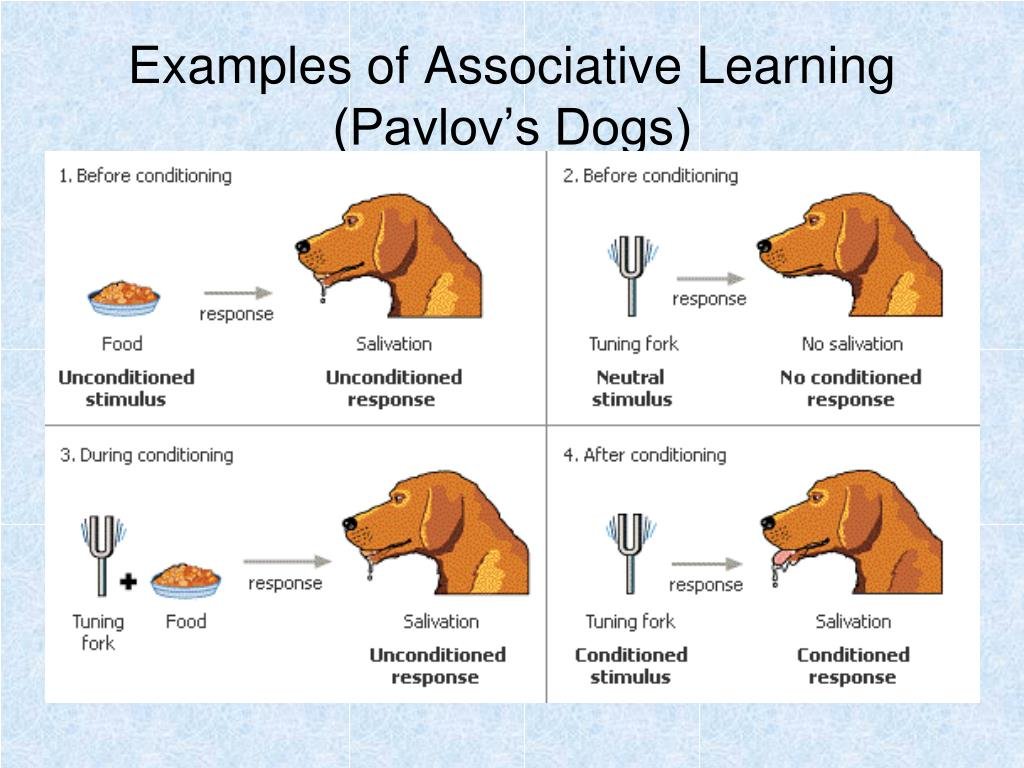
Dogs learn from the world around them every day. A dog may learn that a leash means a walk, a clicker means a reward, or a certain sound predicts dinner. These simple connections form the foundation of dog associative learning.
From my experience studying canine behavior, the biggest training improvements often come when owners understand how dogs create associations. Dogs do not think like humans. They learn by linking events together and remembering which experiences lead to good or bad results.
Dog associative learning plays a major role in puppy training, behavior changes, fear reduction, and everyday communication between dogs and people in the United States. Whether teaching basic commands or helping a rescue dog adjust, understanding this process makes training clearer and kinder.

What Is Dog Associative Learning?
Dog associative learning is the process where a dog connects two or more events in its mind. When the same connection happens many times, the dog begins to expect a certain result.
For example, a dog may hear a treat bag opening and immediately run toward the kitchen. The dog has learned that the sound often comes before food. This connection is a simple example of associative learning.
This type of learning helps dogs understand their environment. It allows them to predict what may happen next and choose behaviors that bring rewards or avoid discomfort.
- ✦ Connection between events
Dogs link sounds, actions, places, people, and results together through repeated experiences.
- ✦ Learning through outcomes
Dogs repeat behaviors that bring positive results and reduce behaviors that bring unwanted results.
Why Associative Learning Matters for Dogs
Associative learning helps dogs survive and adapt. A wild ancestor that connected danger signals with safety actions had a better chance of survival.
Modern dogs use the same basic learning system when they adjust to homes, families, routines, and training programs.
- ✦ Daily routines
Dogs learn patterns such as meal times, walks, and bedtime habits.
- ✦ Social learning
Dogs connect human behavior, body language, and voice tones with possible outcomes.
The Two Main Types of Dog Associative Learning
Dog associative learning mainly includes classical conditioning and operant conditioning. Both methods shape how dogs respond to the world.
Understanding these two forms helps owners choose better training methods and avoid confusion during learning.
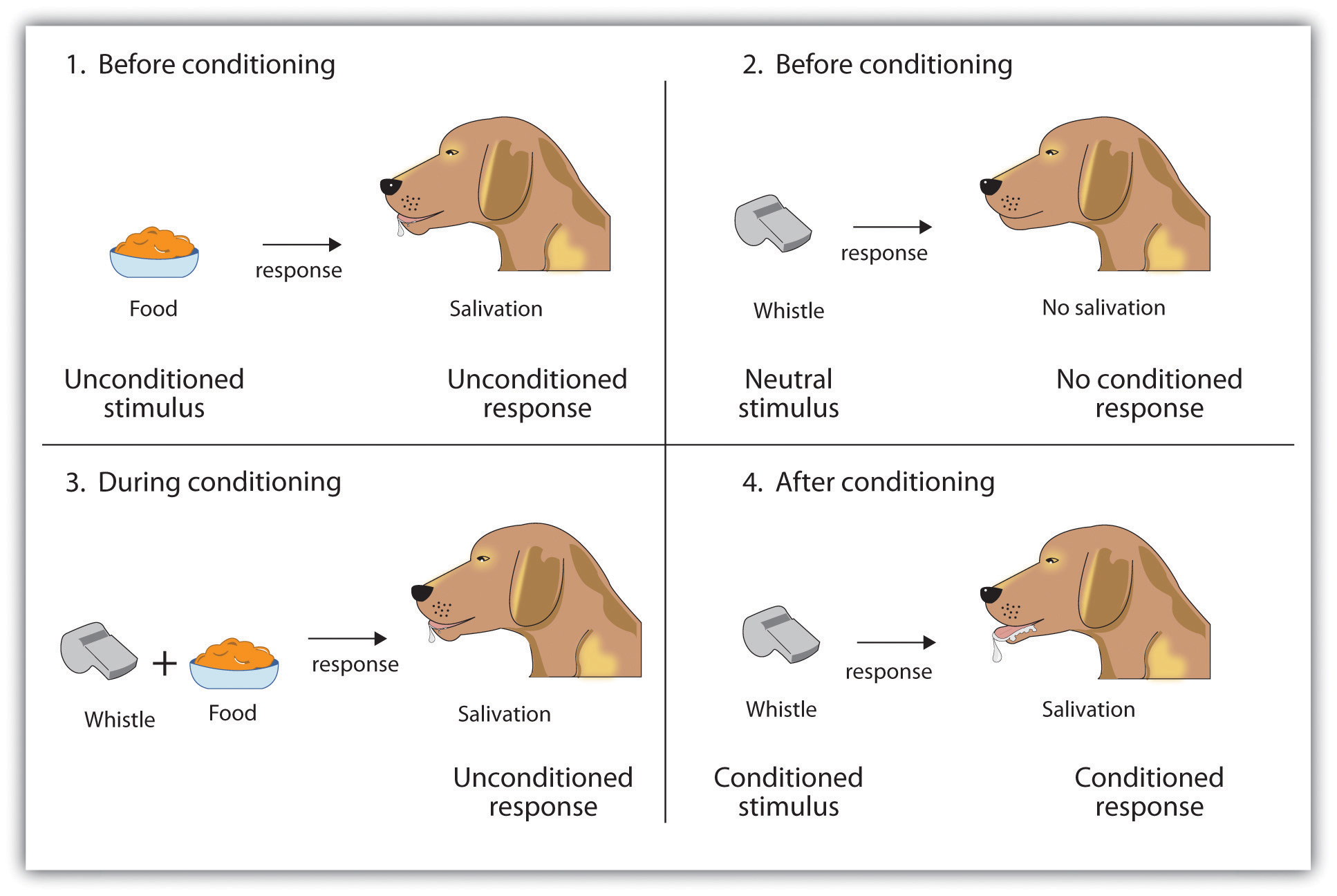
- ✦ Classical conditioning
Dogs learn that one event predicts another event, such as hearing a food container before eating.
- ✦ Operant conditioning
Dogs learn based on consequences, such as receiving praise after sitting on command.
Classical Conditioning in Dogs
Classical conditioning happens when a dog connects a neutral signal with a meaningful event. This concept became famous through Ivan Pavlov’s studies with dogs.
In everyday life, a dog may become excited when hearing a doorbell because past experiences taught the dog that visitors or attention often follow that sound.
- ✦ Example
A clicker sound becomes linked with treats during clicker training.
Operant Conditioning in Dogs
Operant conditioning focuses on behavior and consequences. Dogs learn that certain actions lead to rewards or loss of rewards.
Positive reinforcement is widely used because it encourages dogs to repeat desired behaviors through rewards like treats, play, or praise.
- ✦ Reward-based learning
A dog sits after a command and receives praise, making sitting more likely in the future.
How Dogs Form Associations During Training
Training works best when dogs can clearly understand the connection between their action and the result. Timing is one of the most important parts of dog associative learning.
If a reward comes too late, the dog may connect the reward with another behavior. Clear timing helps the dog understand exactly what behavior is being encouraged.
Professional trainers often focus on small steps. A dog learns faster when each success builds a stronger association.

- ✦ Clear signals
Consistent words and gestures help dogs recognize what humans expect.
- ✦ Immediate feedback
Quick rewards help dogs connect actions with positive results.
- ✦ Repeated practice
Frequent short sessions help create reliable habits.
The Role of Rewards and Motivation
Rewards make learning easier because they create positive emotional connections. Different dogs may value different rewards, including food, toys, attention, or outdoor activities.
Owners should notice what motivates their own dog. A reward that matters to one dog may not interest another dog.
- ✦ Food rewards
Treats can create strong motivation during early training.
- ✦ Life rewards
Access to walks, play, or attention can also reinforce behavior.
Examples of Dog Associative Learning in Everyday Life
Dogs create associations during normal household activities. Many behaviors owners see every day are examples of learning through connections.
A dog does not need formal training to learn. Everyday experiences can create strong habits, both helpful and unwanted.

- ✦ Leash excitement
A dog may become excited because the leash predicts outdoor activity.
- ✦ Fear responses
A dog may fear a sound if it connects that sound with a past stressful event.
- ✦ Greeting behavior
Dogs may jump when greetings have accidentally rewarded jumping in the past.
Positive and Negative Associations
Dogs can form positive associations with people, places, and activities. A veterinary clinic can become less stressful when visits include calm handling and rewards.
Dogs can also form negative associations. A single frightening event may affect future behavior, especially when the experience is intense.
- ✦ Building trust
Safe experiences help dogs create positive connections.
How Dog Associative Learning Affects Behavior Problems
Many common dog behavior issues involve learned associations. Barking, fear, pulling, and excitement often develop because a behavior produced a result in the past.
Changing behavior requires creating new associations. Owners need patience because old connections may take time to replace.
A professional approach focuses on understanding why the dog behaves a certain way instead of simply stopping the behavior.

- ✦ Fear reduction
Gradual positive experiences can help dogs build safer associations.
- ✦ Impulse control
Training can teach dogs that calm behavior brings rewards.
- ✦ Confidence building
Positive experiences help dogs feel more comfortable in new situations.
Common Mistakes Owners Make
One common mistake is rewarding behavior without realizing it. For example, giving attention during barking may accidentally teach the dog that barking works.
Another mistake is changing rules often. Dogs learn faster when expectations stay consistent.
- ✦ Inconsistent training
Mixed signals make it harder for dogs to understand desired behaviors.
How to Use Dog Associative Learning Effectively
Owners can use dog associative learning to teach skills, reduce stress, and improve communication. The key is to create clear and repeatable experiences.
Training should match the dog’s age, personality, and learning speed. Puppies may learn quickly, but adult dogs can also develop new associations.

- ✦ Start small
Teach simple behaviors before moving to more complex tasks.
- ✦ Stay consistent
Use the same words and rewards to strengthen learning.
- ✦ Make learning positive
Safe and enjoyable sessions create stronger connections.
Building Better Human-Dog Communication
Good training is a two-way communication process. Humans learn to read dog signals while dogs learn human expectations.
When both sides understand each other, training becomes easier and the relationship becomes stronger.
