
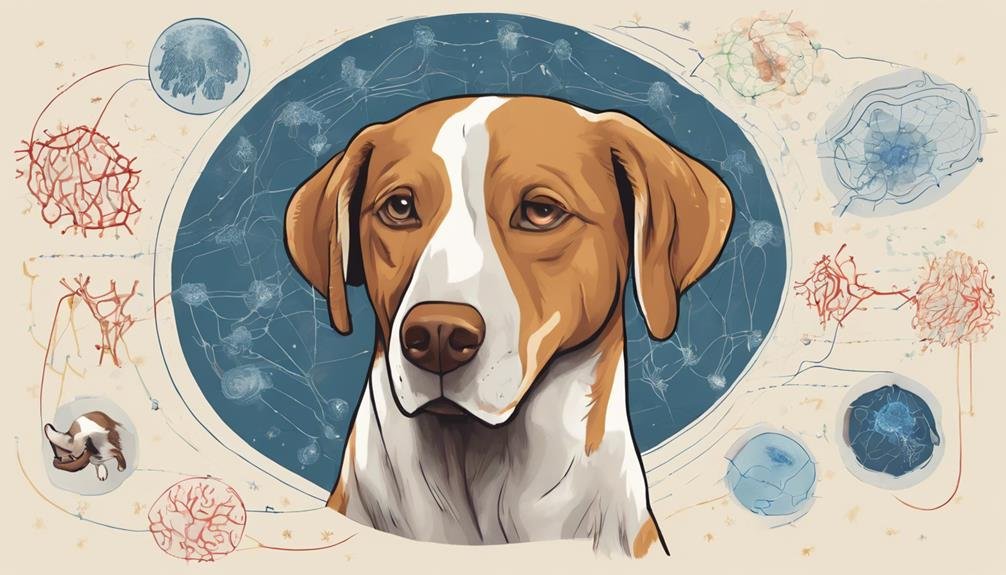
Dog memory formation explains how dogs learn commands, recognize people, remember places, and adapt to their environment. Every walk, training session, meal routine, and social experience can shape a dog’s memory over time.
From a U.S. pet owner’s perspective, understanding dog memory formation can make training easier and improve the bond between humans and dogs. A dog that remembers positive experiences often becomes more confident and responsive.

How dog memory formation works
Dog memory formation begins when the brain receives information through sight, smell, sound, touch, and emotions. The brain processes these signals and connects them with past events.
When a dog repeats an action or experiences a strong emotion, that information becomes easier to recall. This is why dogs quickly learn daily routines and recognize familiar patterns.
- ✦ Experience
New events create information that the dog’s brain can store and use later.
- ✦ Emotion
Strong feelings can make memories stronger because emotional events receive more attention.
- ✦ Repetition
Repeated actions help dogs build reliable habits and responses.
The role of the canine brain
A dog’s brain uses areas linked to learning, emotion, and recall. These systems work together to help dogs understand their world and remember important information.
- ✦ Memory storage
Important experiences can remain available for future situations.
Types of memory involved in dog memory formation
Dogs do not store memories exactly like humans, but they have several useful memory systems. These systems help them learn skills, recognize familiar signals, and navigate daily life.
Dog memory formation includes both simple learned associations and more complex forms of recall.

- ✦ Associative memory
Dogs connect one event with another, such as hearing a leash sound and expecting a walk.
- ✦ Spatial memory
Dogs remember locations, paths, and important areas in their environment.
- ✦ Procedural memory
Dogs remember learned skills such as sitting, staying, and following routines.
How puppies develop memories
Early life plays an important role in dog memory formation. Puppies learn from their mother, littermates, humans, and surroundings during their development stages.
Positive early experiences can help puppies become confident adult dogs. Gentle handling, safe exploration, and reward-based training support healthy learning.

- ✦ Social learning
Puppies learn behaviors by watching and interacting with others.
- ✦ Environmental learning
New sounds, places, and objects help puppies build knowledge about the world.
The connection between emotions and dog memory
Emotions strongly influence dog memory formation. A dog may remember a person, place, or event because it created a strong feeling.
For example, a dog that receives rewards during training often remembers the behavior more clearly than a dog that experiences fear or confusion.

- ✦ Positive memories
Rewards, play, and kindness help create useful learning experiences.
- ✦ Negative experiences
Fearful events may also create lasting memories and affect future behavior.
Why emotional memories matter in training
Good trainers focus on creating positive associations. This approach helps dogs understand what behavior humans want while building trust.
How training improves dog memory formation
Training is one of the clearest examples of dog memory formation in action. Each practice session strengthens the connection between a command and a response.
Short, regular training sessions often work better because dogs can focus and repeat successful behaviors.
- ✦ Use repetition
Repeat commands in a calm way so the dog can build a strong memory link.
- ✦ Reward progress
Rewards help dogs remember which actions create positive results.
- ✦ Practice in different places
New environments help dogs apply memories beyond one location.
Factors that affect dog memory
Several factors can influence dog memory formation, including age, health, stress, sleep, and mental activity. Younger dogs often learn quickly, while older dogs may need slower training methods.
Keeping dogs mentally active can support brain health throughout life.

- ✦ Age
Memory abilities can change as dogs grow older.
- ✦ Health
Physical and brain health can influence learning and recall.
- ✦ Mental stimulation
Games and puzzles encourage active thinking.
