
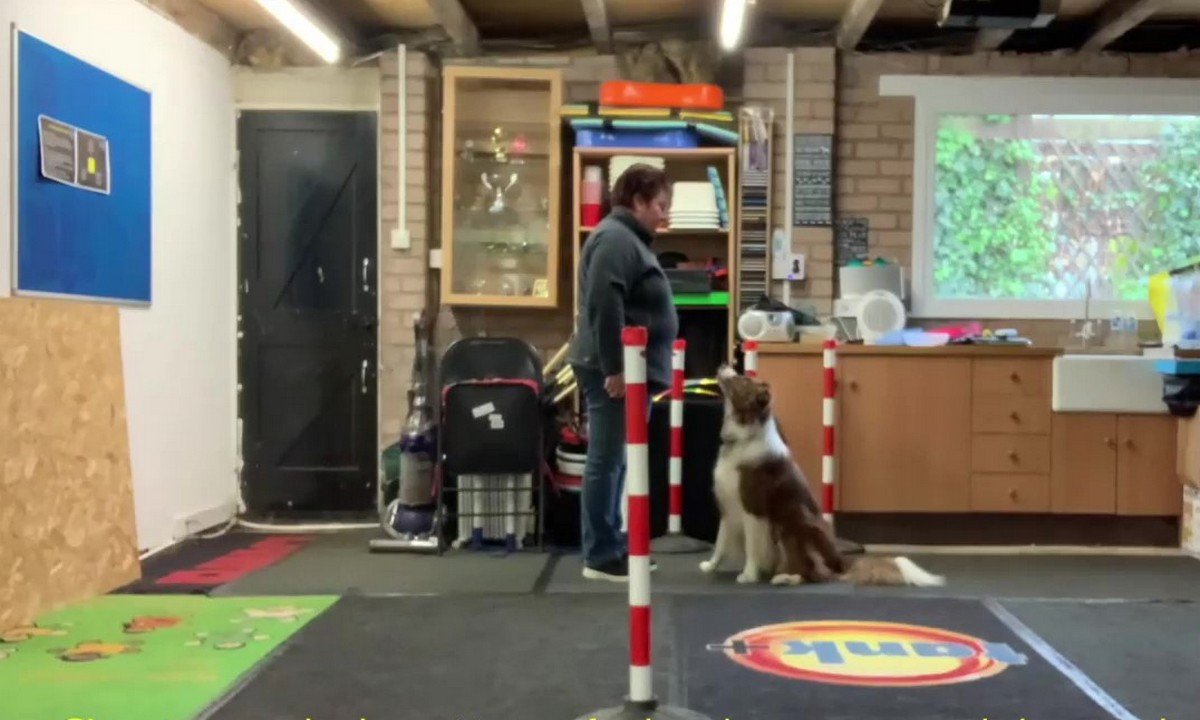
Dog discrimination training is a key skill in advanced dog learning. It helps dogs understand that small differences matter. A dog learns that one word, object, smell, or signal can mean something different from another.
In my experience studying dog behavior and training methods, many mistakes happen because owners think a dog is ignoring a cue. Often, the dog simply has not learned the difference between similar situations. Good training builds clarity instead of confusion.
This skill is useful for family dogs in the United States, working dogs, service dogs, and canine sports. A dog that can discriminate well can make better choices in real-world environments.

What is dog discrimination training?
Dog discrimination training is the process of teaching a dog to notice differences between similar things. The dog learns that a specific cue leads to a specific action.
For example, a dog may learn the difference between “sit” and “down” or between two toys with different names. The goal is not just obedience. The goal is accurate understanding.
Dogs naturally use discrimination every day. They identify people by smell, recognize familiar sounds, and react differently to different environments.
- ✦ Cue discrimination
The dog learns that different words or signals have different meanings.
- ✦ Object discrimination
The dog learns to identify and select specific items.
- ✦ Environmental discrimination
The dog learns when a behavior is appropriate in different places.
How dogs learn discrimination skills
Dogs learn discrimination through association, repetition, and feedback. When a dog receives a reward for the correct choice, that choice becomes stronger.
A trainer usually starts with simple differences. Then the trainer adds distractions and more difficult choices. This keeps learning clear and prevents frustration.
Dog discrimination training works best when the dog understands the rule before facing a hard challenge.

- ✦ Start with simple choices
Teach clear differences before adding distractions or competing options.
- ✦ Reward correct decisions
Positive feedback helps the dog repeat the desired behavior.
- ✦ Increase difficulty slowly
Small steps create stronger learning than sudden challenges.
The role of repetition and timing
Timing matters because dogs connect actions with immediate results. A reward given at the right moment helps the dog understand the correct choice.
Short training sessions often work better than long sessions because dogs can stay focused and motivated.
Common examples of dog discrimination training
Many owners use discrimination training without realizing it. Naming toys, teaching commands, and helping a dog understand household rules all involve discrimination.
Professional trainers use these skills for tasks that require accuracy. A service dog may need to recognize specific behaviors, locations, or signals.

- ✦ Toy selection
A dog learns to bring a named toy instead of choosing randomly.
- ✦ Scent work
A dog learns to identify one target smell among many scents.
- ✦ Command accuracy
A dog learns to perform the correct behavior for each cue.
Step-by-step dog discrimination training process
A structured approach makes dog discrimination training easier. The trainer should create clear choices and reward correct answers.
Avoid rushing. If a dog repeatedly fails, the training step may be too difficult. Reduce distractions and make the task simpler.
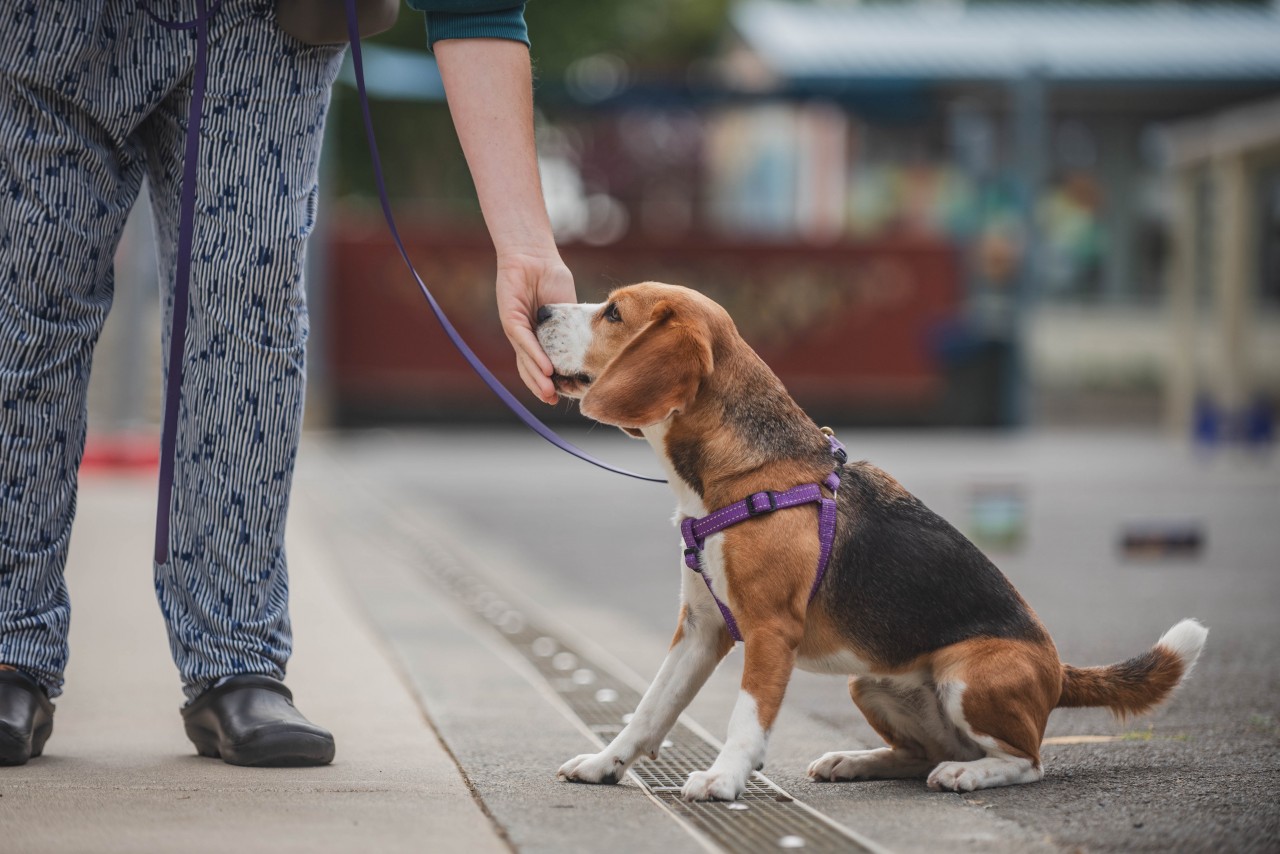
- ✦ Step 1: Choose two clear options
Begin with objects, words, or signals that are easy for the dog to understand.
- ✦ Step 2: Reward the correct choice
Mark and reward the desired response immediately.
- ✦ Step 3: Add distractions
Practice in new places after the dog understands the basic task.
- ✦ Step 4: Test reliability
Check whether the dog can respond correctly in everyday situations.
Using positive reinforcement
Positive reinforcement helps dogs stay confident during learning. Rewards can include treats, toys, praise, or access to something the dog enjoys.
The goal is to build understanding, not fear. A confident dog learns faster and makes better choices.
Benefits of dog discrimination training
Dog discrimination training improves communication between dogs and people. The dog learns exactly what the owner wants instead of guessing.
These skills can also improve confidence. Dogs that understand tasks often handle new situations with less stress.
- ✦ Better obedience
Dogs respond more accurately to commands.
- ✦ Improved focus
Dogs learn to ignore distractions and pay attention to important signals.
- ✦ Useful working skills
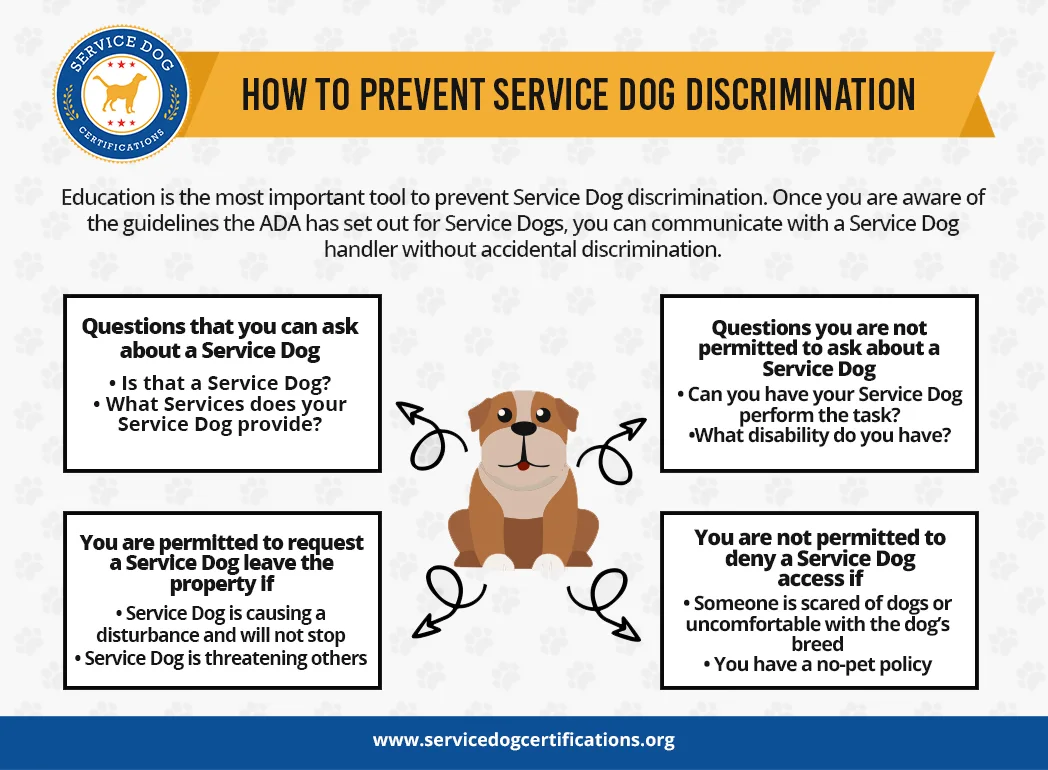
Service, therapy, and detection dogs depend on strong discrimination abilities.
Common mistakes during dog discrimination training
Many training problems come from unclear communication. Owners may change words, rewards, or expectations without noticing.
Consistency helps dogs understand the rules. Everyone in the home should use the same cues and responses.

- ✦ Changing commands
Using different words for the same action can confuse the dog.
- ✦ Moving too quickly
Advanced tasks require a strong foundation first.
- ✦ Ignoring mistakes
Repeated errors show that the training step needs adjustment.
