
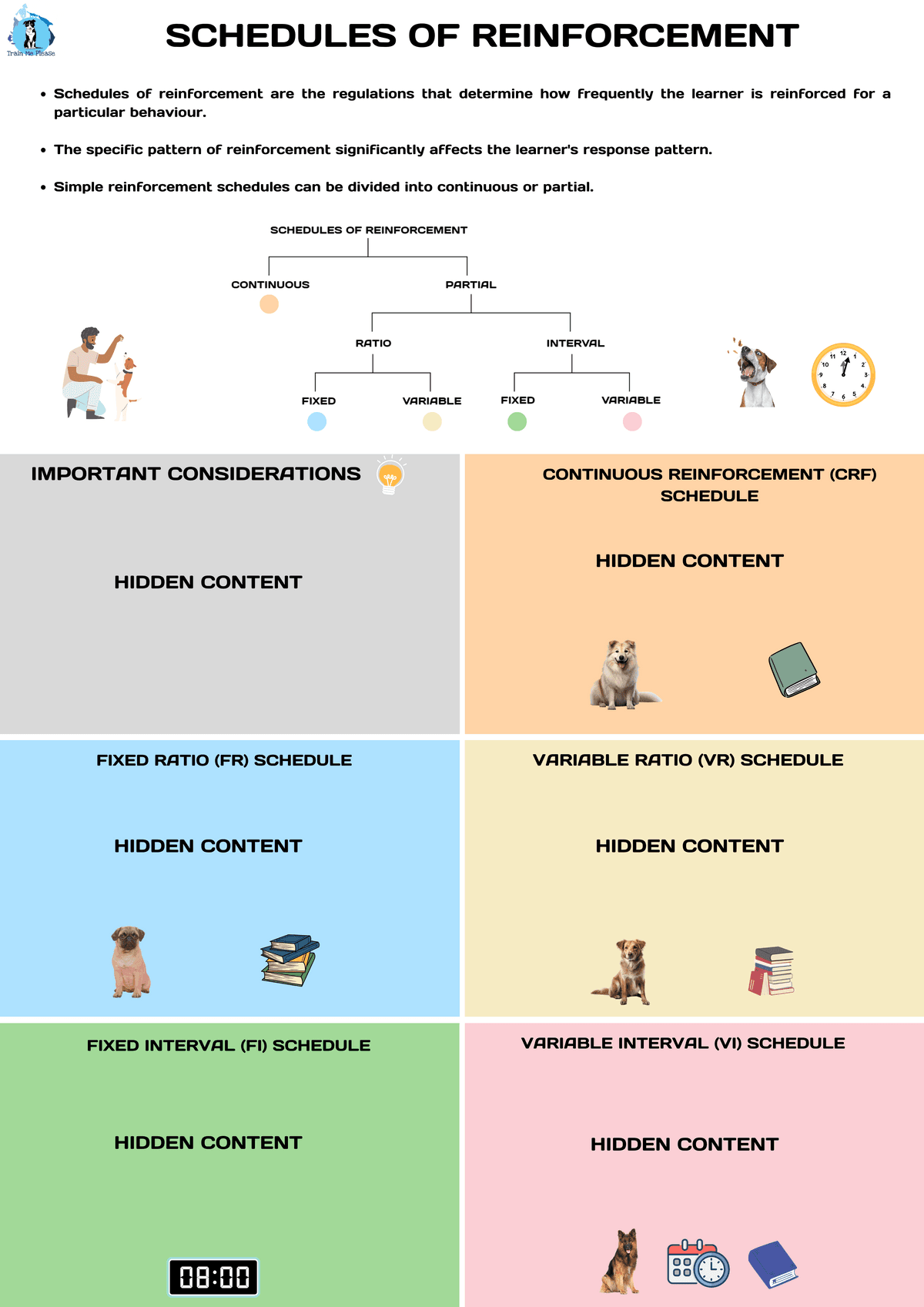
Dog reinforcement schedules are one of the most useful tools in modern dog training. They help owners and trainers decide when a dog should receive a reward after showing a desired behavior. In the United States, many trainers use these methods for puppies, family dogs, service dogs, and competition dogs because they create clear learning patterns.
In my experience studying dog behavior, the biggest training mistakes often come from inconsistent rewards. A dog may know a command but still fail because the reward timing changes too much. A smart reinforcement plan helps the dog understand what action earns success.
Understanding Dog reinforcement schedules allows you to move beyond simple treat giving. You learn how to build habits, improve focus, and create behaviors that remain strong even when food rewards become less frequent.
What are Dog reinforcement schedules?
Dog reinforcement schedules describe the rules that determine when a dog receives reinforcement after performing a behavior. Reinforcement can include treats, toys, praise, play, or access to something the dog wants.
The goal is not to reward randomly. The goal is to create a learning pattern that helps the dog understand which behaviors are valuable. These schedules come from learning science and are widely used in animal training.

- ✦ Reinforcement
A reward that increases the chance a behavior will happen again.
- ✦ Schedule
A planned pattern that decides when reinforcement happens.
- ✦ Behavior strength
The level of reliability a dog shows after learning a behavior.
Why reinforcement timing matters
Dogs connect rewards with actions that happen close together in time. If the reward arrives too late, the dog may connect it with the wrong behavior.
Clear timing helps dogs learn faster and reduces confusion during training sessions.
The four main types of Dog reinforcement schedules
There are four basic reinforcement schedules used in behavior training. Each schedule creates a different learning effect and can be useful at different stages of dog training.
Choosing the right Dog reinforcement schedules depends on whether you are teaching a new skill, improving reliability, or maintaining an existing behavior.
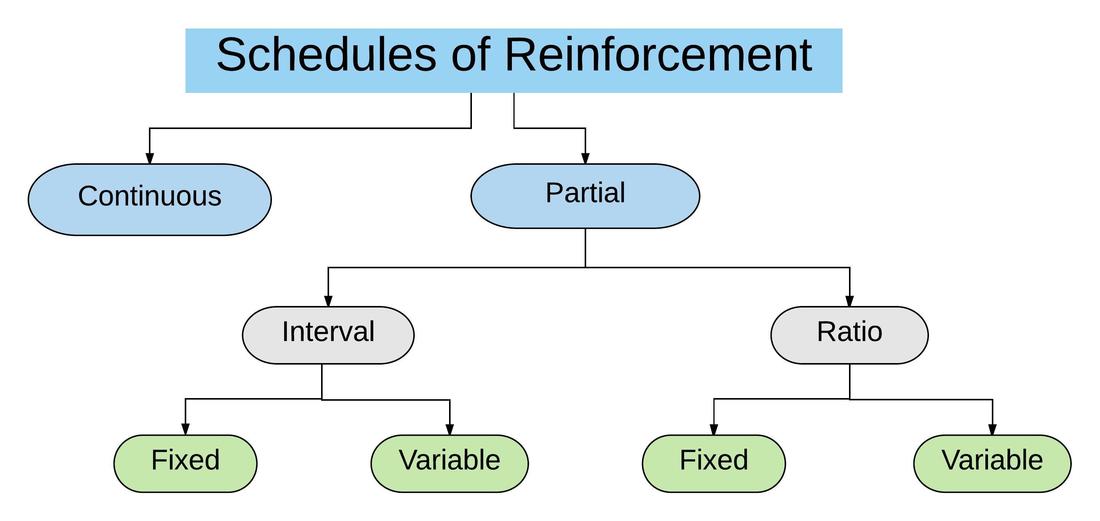
- ✦ Continuous reinforcement
The dog receives a reward every time it performs the correct behavior.
- ✦ Fixed ratio reinforcement
The dog receives reinforcement after a set number of correct responses.
- ✦ Variable ratio reinforcement
The dog receives rewards after an unpredictable number of correct responses.
- ✦ Interval reinforcement
Rewards depend on time periods rather than only the number of behaviors.
Continuous reinforcement for new skills
Continuous reinforcement is often the first step when teaching commands like sit, stay, come, or place. The dog quickly learns that the action creates a positive result.
After the behavior becomes reliable, trainers usually move toward less frequent rewards.
Variable reinforcement for stronger habits
Variable reinforcement helps create durable behaviors because the dog learns that rewards may come at different times.
This approach can help maintain obedience when a treat is not available every time.
How to use Dog reinforcement schedules during training
A successful training plan starts with simple rewards and clear goals. Begin by rewarding every correct response, then slowly change the schedule as the dog improves.
Dog reinforcement schedules should match the dog’s learning level. A young puppy may need frequent rewards, while an adult dog with strong habits may need fewer rewards.

- ✦ Start simple
Reward every correct behavior when teaching something new.
- ✦ Increase difficulty slowly
Add distractions only after the dog understands the behavior.
- ✦ Reward quality
Give stronger rewards for better focus and harder tasks.
Example: teaching a reliable recall
A trainer may reward every successful recall at first. Later, rewards may appear less often, but praise and life rewards continue.
This gradual change helps the dog respond even in parks, neighborhoods, and busy American environments.
Common mistakes when using reinforcement schedules
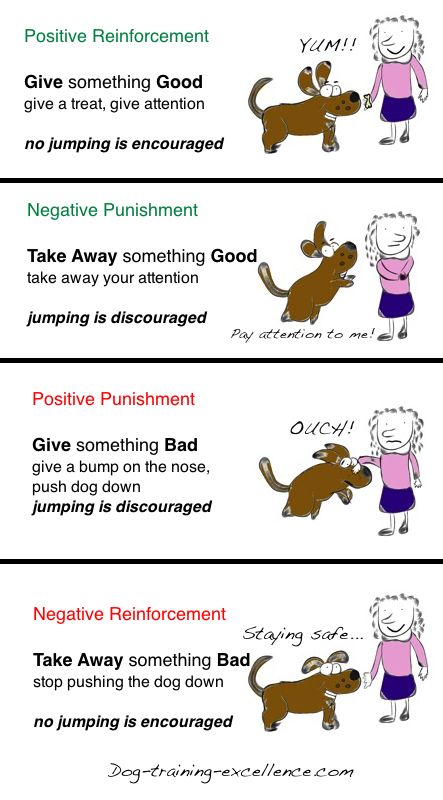
Many owners accidentally create confusion by changing rewards without a plan. A dog may receive attention for jumping one day and be corrected for it the next day.
Consistent Dog reinforcement schedules help prevent mixed signals and make training easier for both humans and dogs.

- ✦ Rewarding too late
Late rewards can teach the wrong behavior.
- ✦ Changing rules often
Dogs learn faster when expectations stay consistent.
- ✦ Using rewards without a goal
Every reward should support a behavior you want to strengthen.
Benefits of using Dog reinforcement schedules
Well-planned Dog reinforcement schedules create clearer communication between dogs and people. The dog learns what works instead of guessing what humans want.
These methods can support obedience, confidence, problem solving, and emotional control when used correctly.
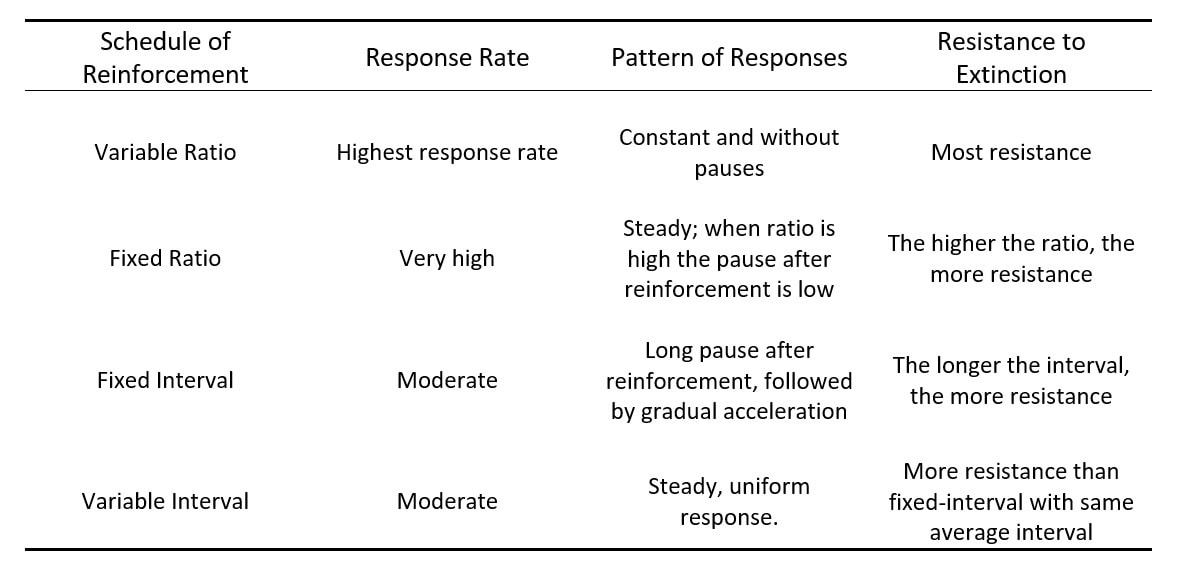
- ✦ Better learning speed
Clear rewards help dogs understand behaviors faster.
- ✦ Long lasting habits
Variable schedules can help maintain behaviors over time.
- ✦ Stronger communication
Dogs receive clearer information about successful actions.
