
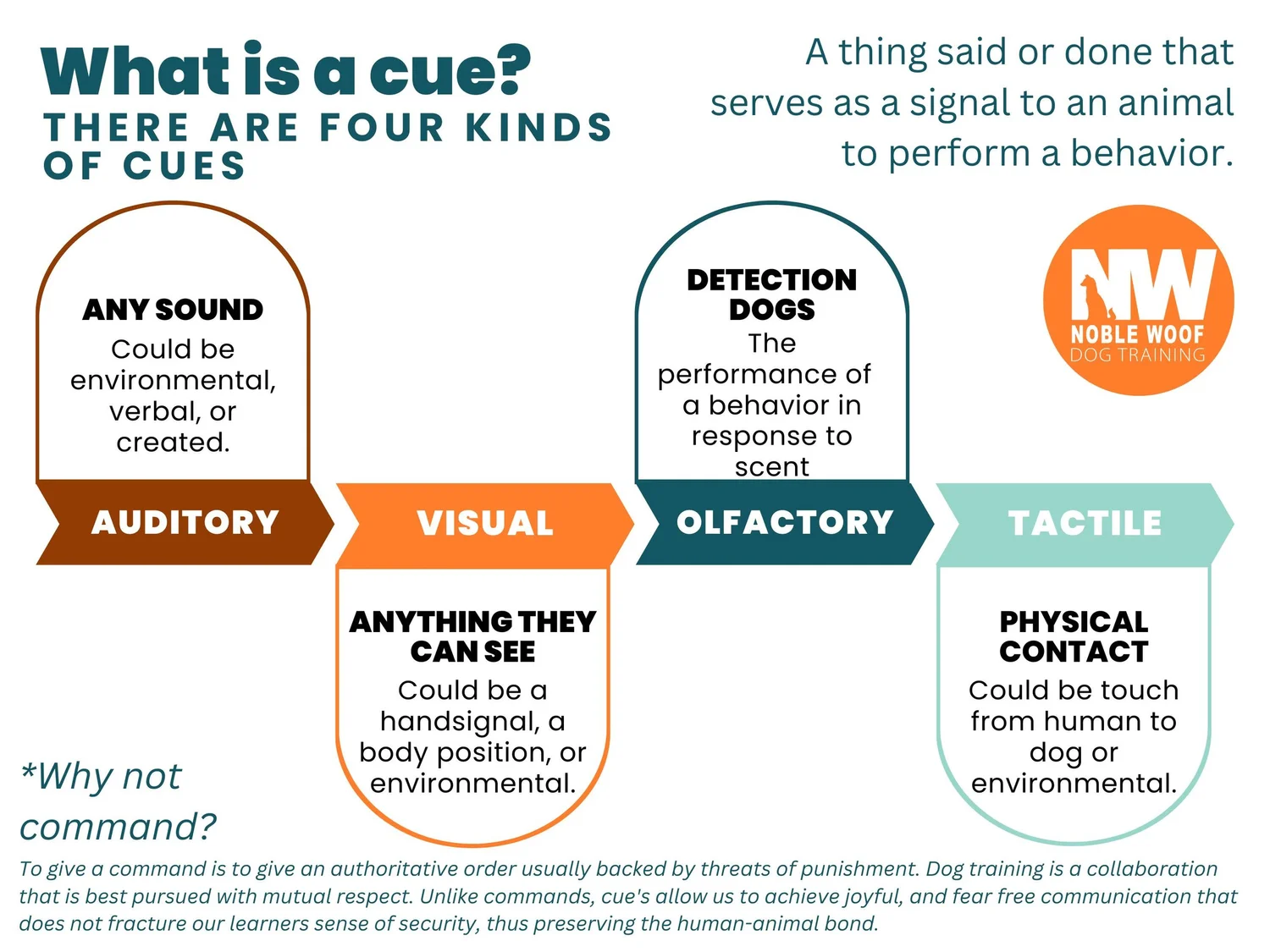
Dog training cue recognition is a key part of successful communication between humans and dogs. A cue is a signal that tells a dog what behavior may earn a reward or positive outcome.
In professional dog training, I have seen that many behavior problems happen because dogs do not fully understand the cue. Clear timing, simple words, and steady practice help create stronger communication.
What Is Dog Training Cue Recognition?
Dog training cue recognition means a dog can identify a signal and connect it with a specific action. The signal may be a spoken word, hand movement, body position, or environmental event.
For example, when a dog hears the word sit and places its bottom on the ground, it shows that it understands the cue. The dog is not only hearing a sound. It is connecting that sound with a learned behavior.

- ✦ Verbal cues
Words like sit, stay, come, and leave it guide behavior when the dog has learned their meaning.
- ✦ Visual cues
Hand signals and body movements can become powerful communication tools for dogs.
How Dogs Connect Signals With Actions
Dogs learn through repeated experiences. When a cue regularly predicts a reward, the dog begins to understand what the signal means.
- ✦ Association
The dog links a cue with an expected behavior and result.
How Dogs Learn Training Cues
Dogs learn cues through repetition, rewards, and clear communication. A trainer first creates a connection between the signal and the desired action.
A common mistake is adding a word before the dog understands the behavior. The dog may hear the word but fail to connect it with the action.
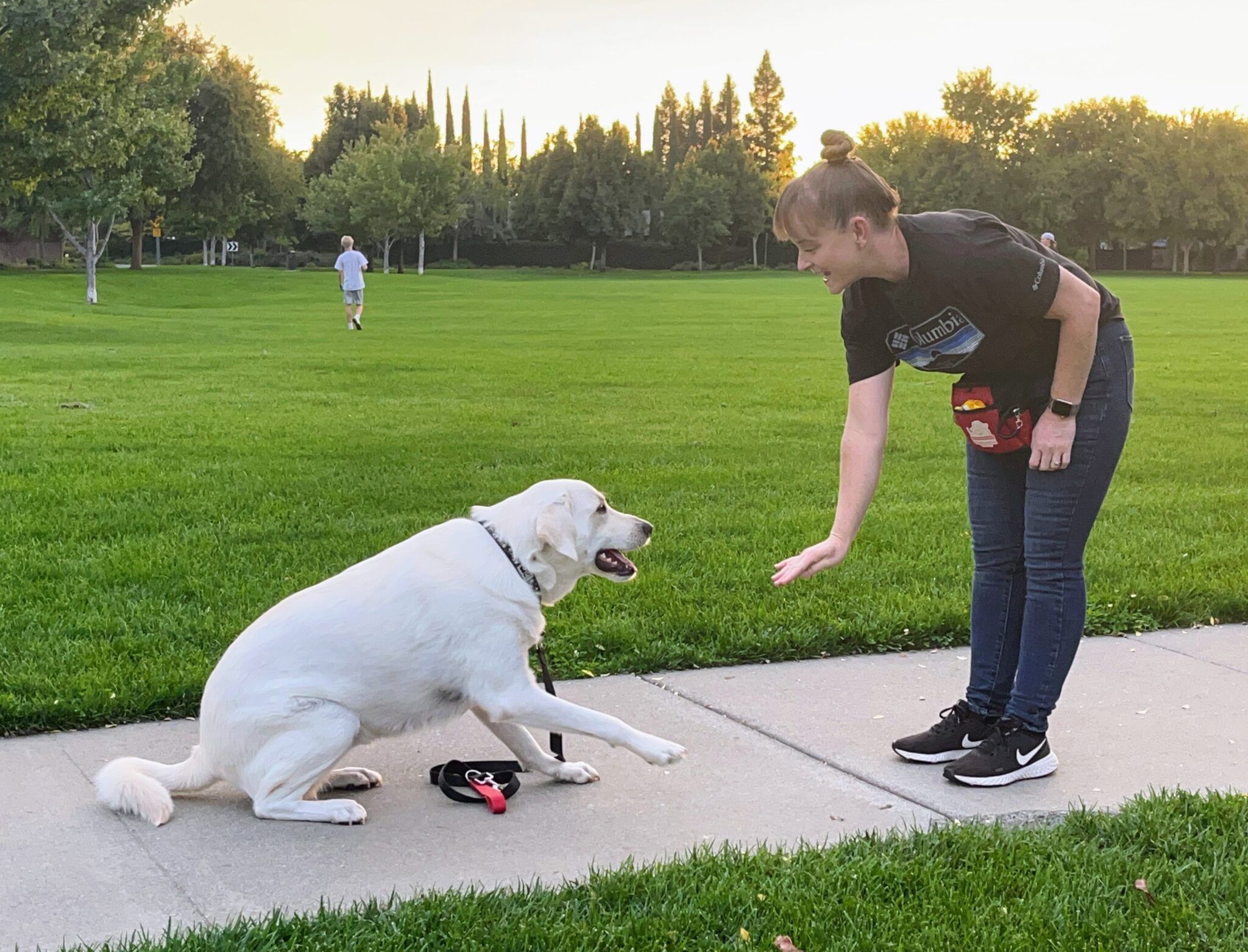
- ✦ Mark the correct behavior
Reward the exact moment the dog performs the desired action.
- ✦ Keep sessions short
Short training sessions help dogs stay focused and reduce confusion.
Types of Cues Dogs Can Recognize
Dogs can recognize many forms of communication. Strong dog training cue recognition often uses more than one type of signal.
A dog may learn a verbal cue first and later understand the same behavior through a hand signal or visual reminder.
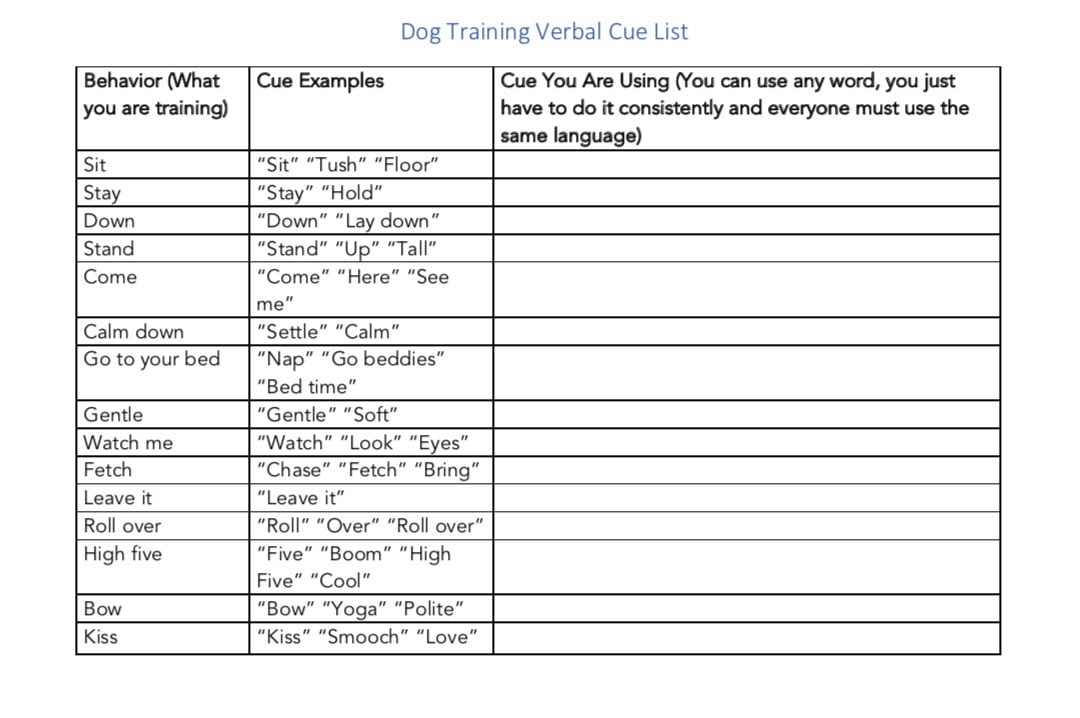
- ✦ Word cues
Spoken commands are common in home and professional training.
- ✦ Hand signals
Visual signals are useful for distance work and older dogs with hearing challenges.
- ✦ Environmental cues
Dogs also learn signals from routines, places, and situations.
Why Consistency Matters
Dogs learn faster when every family member uses the same word and action. Changing cues often creates uncertainty.
Common Problems With Cue Recognition
Some dogs appear to ignore commands because they have not learned the cue clearly. The issue is often confusion, distractions, or weak reinforcement history.
A dog that responds inside the house may struggle outside because the environment changes. Training must slowly increase difficulty.
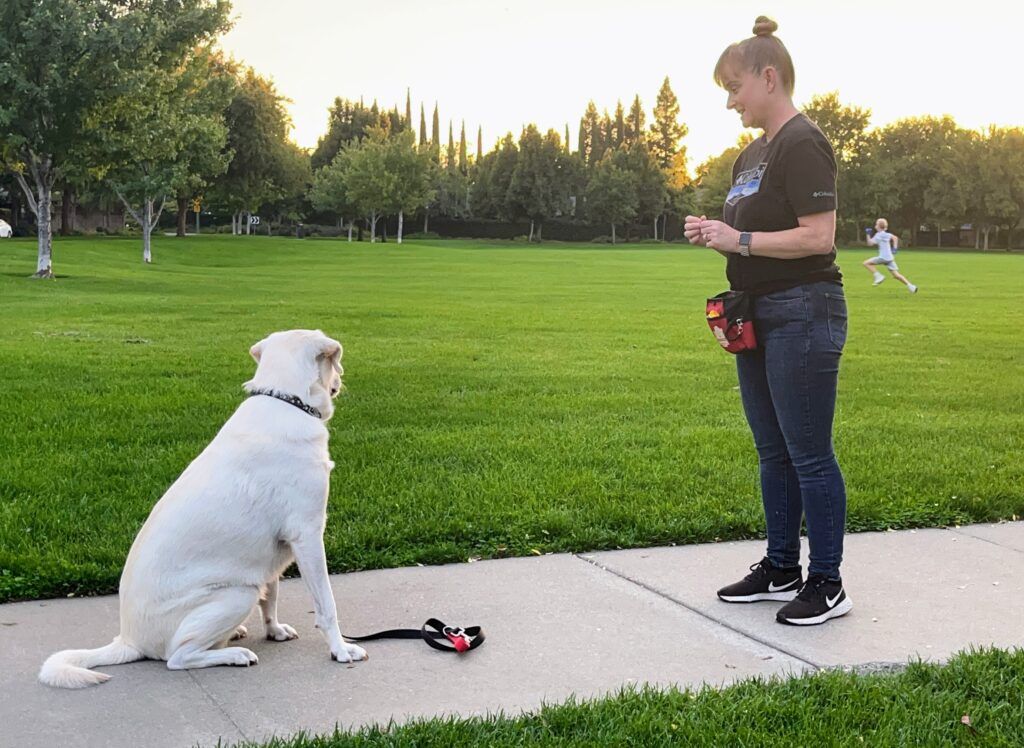
- ✦ Too many repeated commands
Repeating a cue many times can teach a dog that the first signal has no importance.
- ✦ Poor timing
Rewards given too late can make the dog unsure about which behavior was correct.
Improving Response Reliability
Practice cues in different rooms, outdoor areas, and around mild distractions. This builds stronger understanding.
- ✦ Increase difficulty slowly
Move from easy situations to harder ones step by step.
How to Build Better Dog Training Cue Recognition
Building strong cue recognition requires patience and clear goals. Start with simple behaviors and reward success often.
Many trainers focus on relationship and trust first because dogs learn better when they feel safe and engaged.
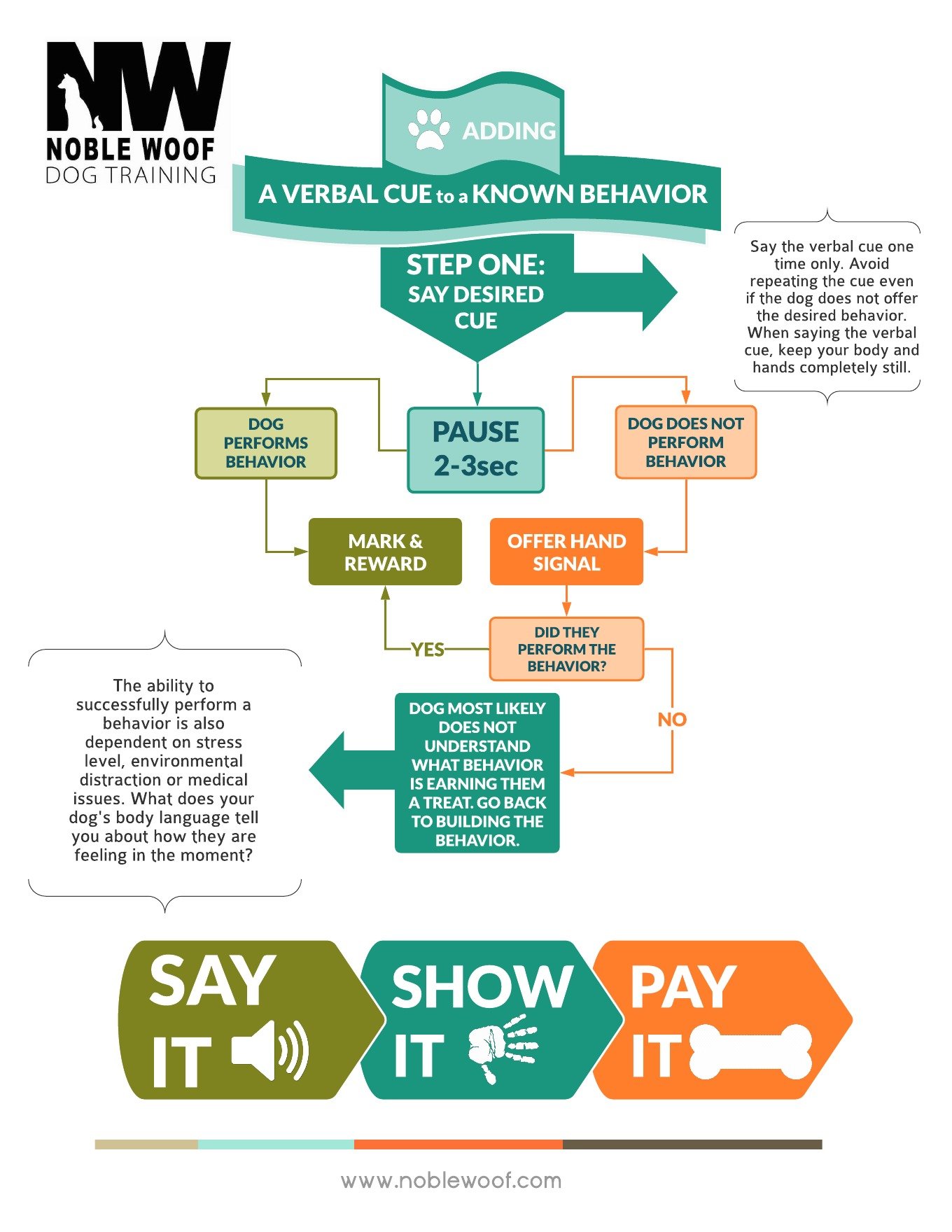
- ✦ Use one cue at a time
Teach a single signal clearly before adding new commands.
- ✦ Reward useful choices
Positive outcomes encourage dogs to repeat correct behaviors.
- ✦ Practice daily
Regular practice creates stronger memory and faster responses.
