
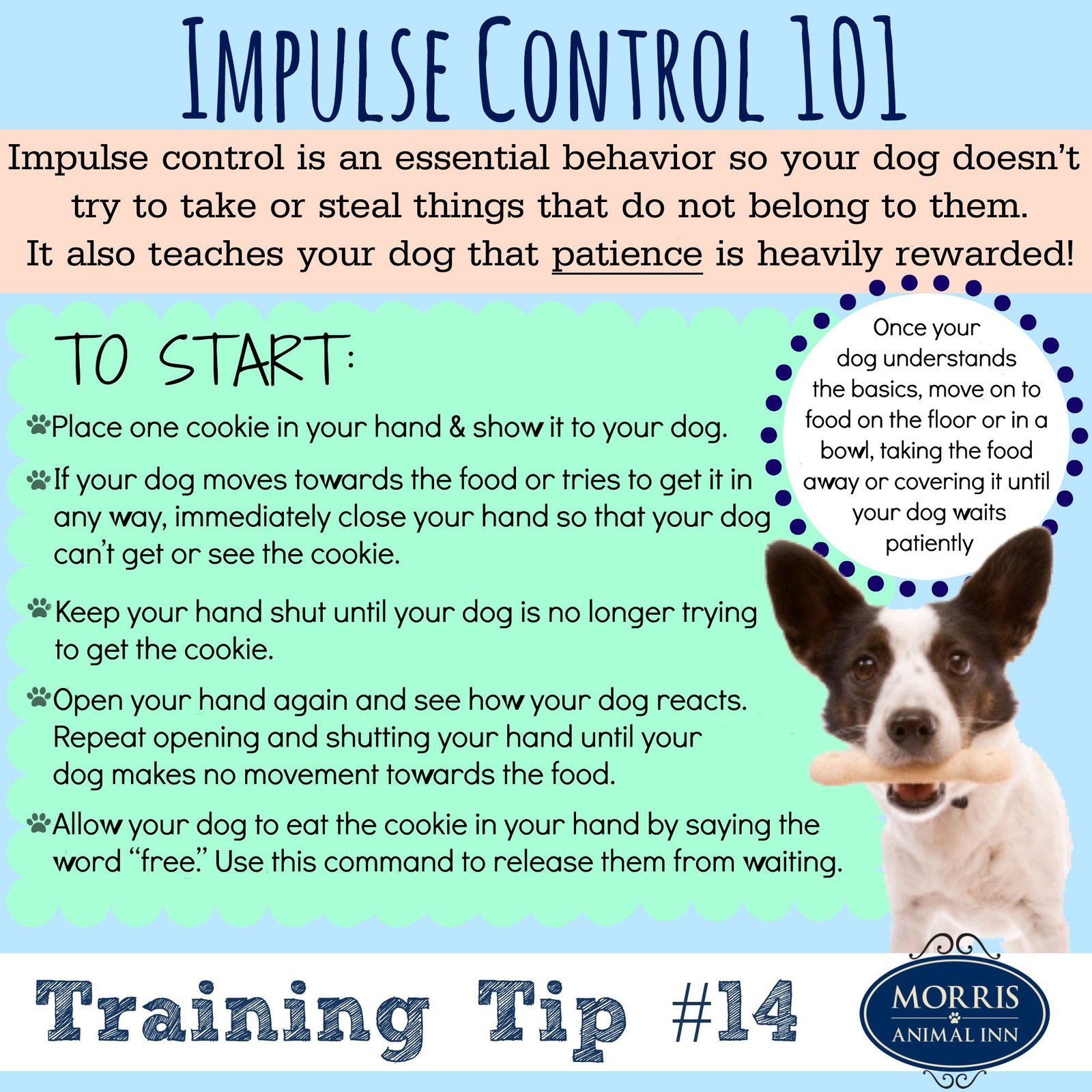
Dog training stimulus control is the process of teaching a dog that a certain signal means a specific behavior should happen. The signal may be a spoken word, hand motion, body position, or environmental cue. When the dog learns this connection, the behavior becomes more reliable and easier to manage.
In my experience studying dog learning methods, many training problems happen because dogs learn actions without learning when those actions are expected. A dog may know how to sit but may not understand that sitting is needed only after hearing the word “sit.” Stimulus control creates that missing connection.
What Is Dog Training Stimulus Control?
Dog training stimulus control means a dog performs a learned behavior when a specific cue appears. The cue controls when the behavior is useful. This does not mean the dog is controlled by force. It means the dog understands the communication between human and animal.
A simple example is a dog sitting after hearing the word “sit.” If the dog sits only because food is visible or because the owner pushes its body down, true stimulus control has not developed yet.
- ✦ Cue recognition
The dog learns that a specific signal predicts a certain action.
- ✦ Reliable response
The dog repeats the behavior when the correct cue appears.
- ✦ Clear communication
The owner and dog share a consistent training language.
The Four Parts of Stimulus Control
A behavior is under stimulus control when the dog responds to the right cue, does not respond without the cue, and ignores unrelated signals. Trainers build this through repeated practice and careful rewards.
- ✦ The cue is present
The dog notices the correct word, gesture, or environmental signal.
- ✦ The behavior happens
The dog performs the trained action after seeing the cue.
- ✦ The reward follows
The dog learns that responding correctly creates a positive result.
Why Stimulus Control Matters in Dog Training
Many owners in the United States want dogs that behave well in homes, parks, and public spaces. Stimulus control helps create predictable behavior in these changing environments.
Without stimulus control, a dog may perform a behavior randomly. A dog that sits only when treats are shown may ignore the same command during a busy walk. Training must help the dog understand the cue itself, not just the reward.
- ✦ Better safety
Reliable cues can help dogs stop, wait, or return during risky situations.
- ✦ Improved focus
Dogs learn to pay attention to meaningful signals from their handlers.
- ✦ Stronger teamwork
Clear communication builds trust between dogs and people.
How Dogs Develop Stimulus Control Step by Step
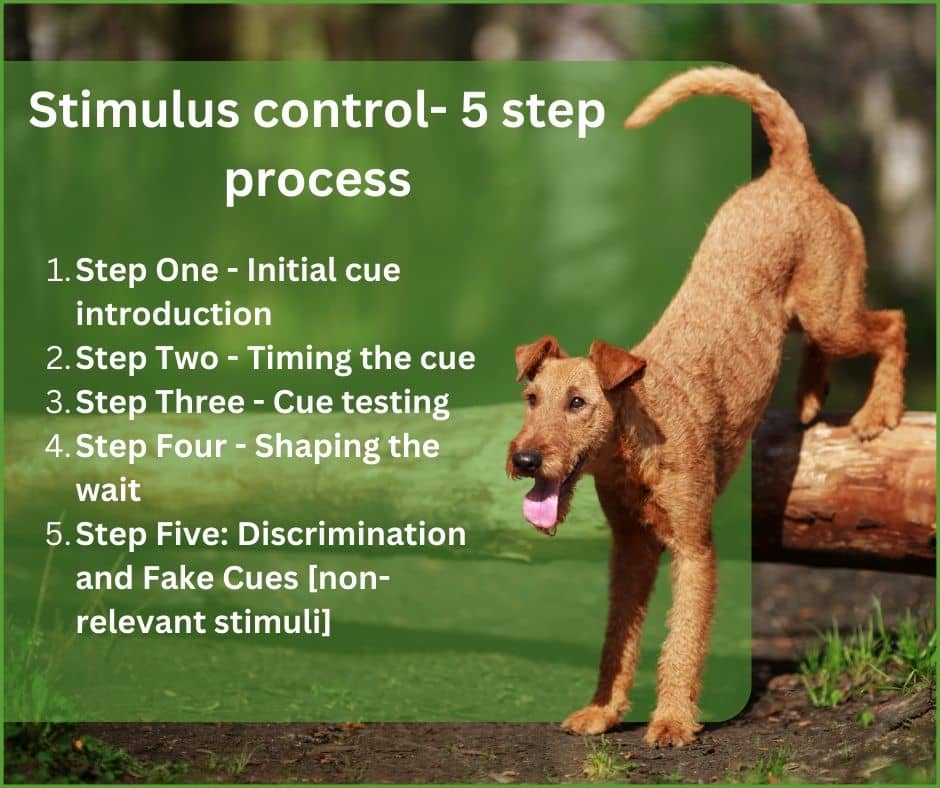
Dog training stimulus control develops through a gradual learning process. The trainer first teaches the behavior, then adds the cue, and finally practices in different situations.
A common mistake is adding distractions too quickly. Dogs need many successful repetitions before they can respond in difficult environments like busy streets, dog parks, or crowded neighborhoods.

- ✦ Teach the behavior
Help the dog understand the action before adding complex challenges.
- ✦ Introduce the cue
Say or show the signal before the dog performs the behavior.
- ✦ Practice with changes
Train in different places, positions, and situations.
Example: Building a Reliable Recall Cue
A recall command shows how stimulus control works. The dog learns that hearing its name or recall word means coming back to the handler creates a reward.
Good recall training uses repetition, positive outcomes, and gradual increases in distance and distractions.
- ✦ Start close
Practice in a quiet area where success is likely.
- ✦ Increase difficulty slowly
Add distance, sounds, and movement over time.
Common Training Mistakes That Prevent Stimulus Control
Dogs often fail to respond because humans accidentally create unclear signals. Using different words, rewarding random behavior, or repeating commands many times can confuse a dog.
Strong training depends on consistency. Every family member should use the same cues and reward the same behaviors.

- ✦ Repeating cues
Saying a command many times can teach dogs to ignore the first signal.
- ✦ Mixed signals
Different words or body movements can reduce clarity.
- ✦ Poor timing
Late rewards make it harder for dogs to connect actions with outcomes.
Stimulus Control and Positive Reinforcement
Positive reinforcement is one of the most common ways to build dog training stimulus control. The dog learns that responding to a cue leads to something valuable, such as food, play, praise, or access to activities.
The reward does not need to continue forever. Over time, many dogs respond because the behavior itself becomes familiar and rewarding.

- ✦ Reward correct choices
Give feedback when the dog responds to the right cue.
- ✦ Use meaningful rewards
Choose rewards that motivate the individual dog.
