
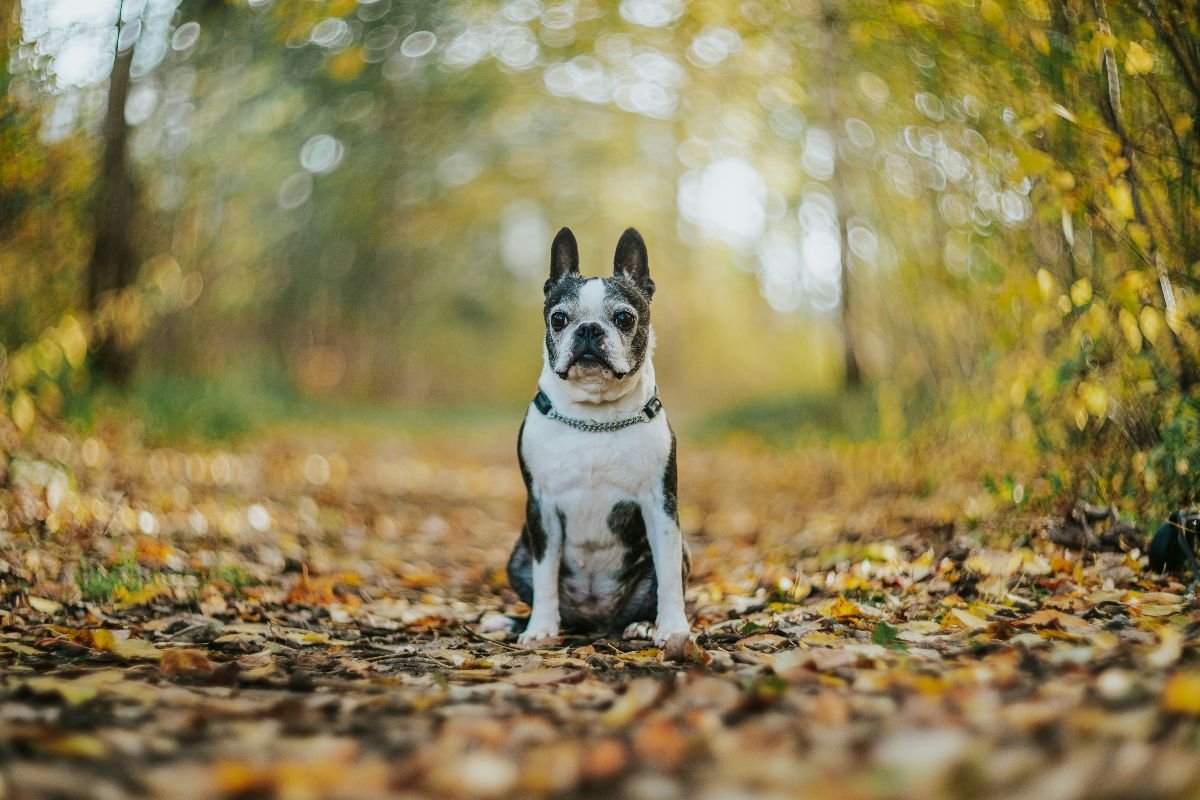
Dog adaptation to new environments is a natural process that depends on how a dog understands and responds to change. Moving to a new home, meeting new people, traveling, or changing daily routines can create uncertainty for dogs. With patient support, most dogs learn that the new place is safe.
From my experience studying dog behavior, I have seen that successful adjustment rarely comes from forcing a dog to explore. It comes from building trust, keeping routines stable, and allowing the dog to investigate at its own pace. A supportive owner plays a major role in helping a dog feel secure.

What does dog adaptation to new environments mean?
Dog adaptation to new environments describes the way dogs adjust their behavior, emotions, and habits after entering a different place or situation. Dogs use their senses, memory, and past experiences to understand whether a new environment is safe.
A new environment can include a new house, apartment, neighborhood, family, shelter, workplace, or travel location. During this process, dogs learn new smells, sounds, routines, and social patterns.
- ✦ Environmental learning
Dogs collect information through smell, sight, hearing, and repeated experiences.
- ✦ Emotional adjustment
Dogs slowly develop comfort when they connect the new place with safety and positive experiences.
- ✦ Behavior changes
A dog may change sleeping, eating, playing, or social habits during adjustment.
Why dogs need time to adjust
Dogs depend on familiar patterns. A sudden change can make them unsure because they lose the signals that helped them predict daily events.
Some dogs explore quickly, while others need more time before they feel confident. Both responses are normal.
Factors that influence dog adaptation to new environments
Many factors affect how quickly a dog adjusts to change. Age, breed traits, previous experiences, health, and personality all influence the adjustment process.
A young puppy may adapt through social learning, while an older rescue dog may need extra patience because of past experiences. Understanding the individual dog helps owners create better support.

- ✦ Age
Puppies often learn new situations quickly, but adult dogs can also adapt successfully with proper guidance.
- ✦ Previous experiences
Dogs with positive past experiences may accept change faster than dogs with stressful histories.
- ✦ Personality
Confident dogs may explore immediately, while cautious dogs may observe before interacting.
The role of routine in adjustment
A predictable routine helps dogs understand what happens next. Feeding times, walks, play sessions, and rest periods create stability.
Many professional trainers use routine as a foundation because it reduces confusion and builds confidence.
Common signs that a dog is adjusting to a new place
Dog adaptation to new environments happens through small changes. Owners should watch for signs that show comfort is increasing.
A dog that begins exploring, eating normally, resting well, and engaging with family members is usually becoming more comfortable.

- ✦ Healthy exploration
The dog investigates rooms, objects, and outdoor areas without extreme fear.
- ✦ Relaxed body language
Loose posture, normal breathing, and natural movement show increased comfort.
- ✦ Normal daily habits
Regular eating, sleeping, and bathroom routines suggest successful adjustment.
How to help a dog adapt to a new environment
Owners can make dog adaptation to new environments easier by creating a safe and predictable experience. The goal is not to rush the dog but to help it build positive connections.
Simple steps often create the biggest improvements. Calm behavior from humans can also influence how dogs respond to unfamiliar situations.
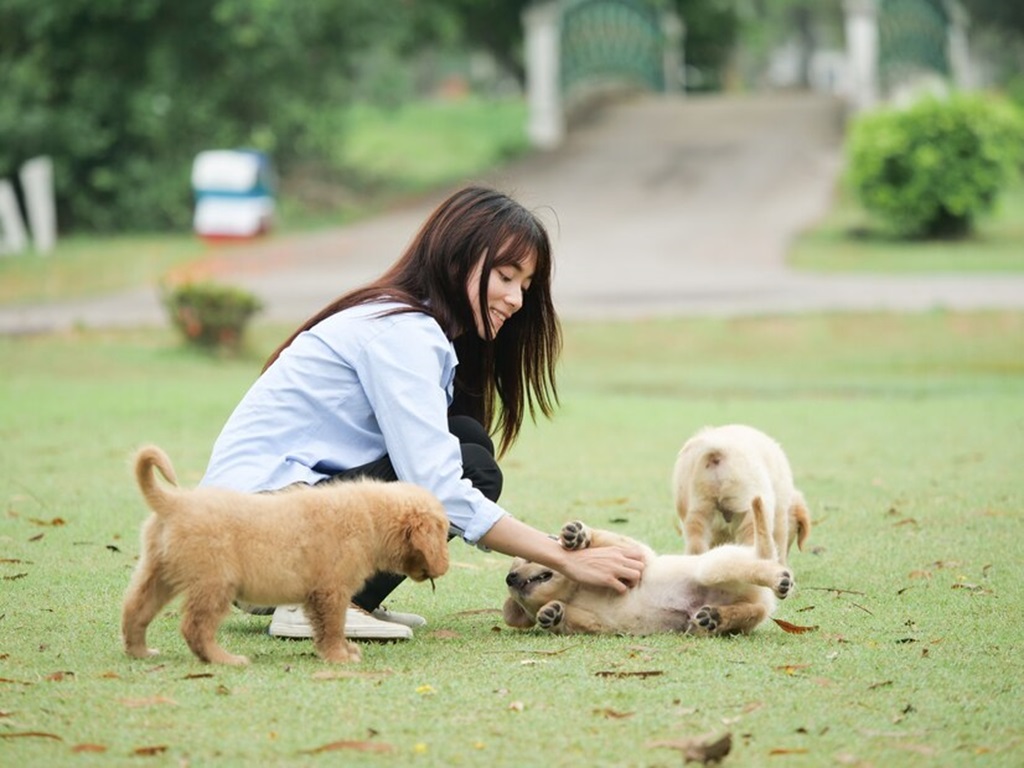
- ✦ Create a safe area
Provide a quiet space with familiar bedding, toys, and items that carry familiar smells.
- ✦ Keep routines consistent
Maintain regular feeding, walking, and sleeping schedules during the transition.
- ✦ Use positive experiences
Reward calm exploration with praise, play, or treats.
- ✦ Allow gradual exposure
Introduce new people, sounds, and places slowly instead of overwhelming the dog.
Helping rescue dogs adjust
Rescue dogs may need extra time because they may have experienced unfamiliar homes, stress, or inconsistent care. Patience and structure are especially important for these dogs.
Building trust through calm interactions often creates stronger long-term confidence.
How long does dog adaptation to new environments take?
The adjustment period varies from one dog to another. Some dogs become comfortable within days, while others may need several weeks or longer.
There is no single timeline because each dog has different genetics, experiences, and emotional needs. Owners should measure progress by behavior changes rather than a fixed number of days.

- ✦ Early stage
The dog learns basic details about the new environment and may appear cautious.
- ✦ Learning stage
The dog begins creating new habits and understanding daily patterns.
- ✦ Comfort stage
The dog behaves naturally and treats the environment as familiar.
Challenges during dog adaptation to new environments
Some dogs experience stress during major changes. Common challenges include hiding, barking, reduced appetite, accidents, or changes in sleep patterns.
These behaviors often show that the dog needs more support, not punishment. Understanding the reason behind the behavior helps owners respond correctly.

- ✦ Fear responses
Dogs may avoid new areas or people until they feel safe.
- ✦ Stress behaviors
Pacing, whining, or destructive behavior can appear during adjustment.
- ✦ Social uncertainty
Dogs may need time to understand new pets, family members, or visitors.
Dog adaptation to urban and human environments
Modern dogs often live in human-centered spaces such as apartments, busy neighborhoods, and cities. Dog adaptation to new environments includes learning how to handle traffic, crowds, sounds, and indoor living.
Training and enrichment help dogs develop confidence in these settings. Mental stimulation, exercise, and social exposure support healthy adjustment.

- ✦ Noise adaptation
Dogs can learn that common city sounds are not threats through gradual exposure.
- ✦ Space management
Apartment dogs benefit from exercise routines and indoor enrichment.
