
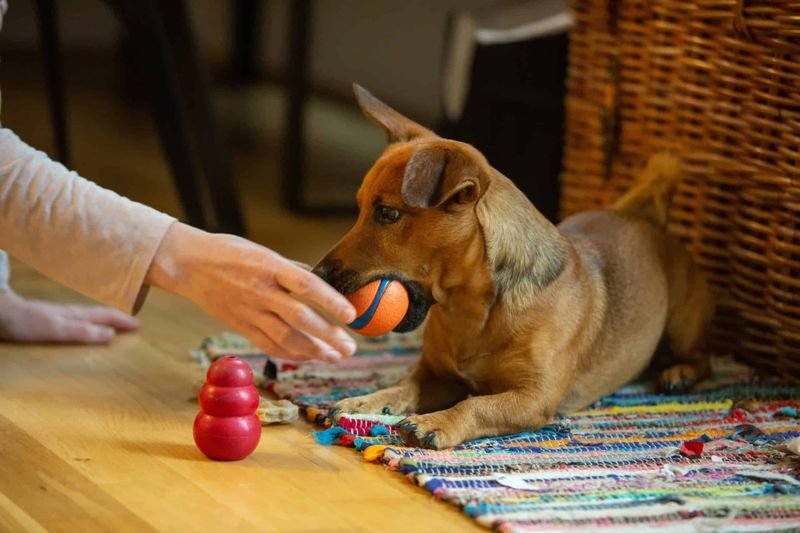
Dog household routine adaptation is the process of helping a dog become comfortable with the daily rhythm of a home. Dogs learn through repeated experiences. When meals, walks, rest, and family activities follow a clear pattern, many dogs feel more secure.
From my experience studying dog behavior and training plans, I have seen that routine changes are easier when owners focus on small steps. A new puppy, rescue dog, or adult dog moving to a different home may need time to understand the new rules and schedule.
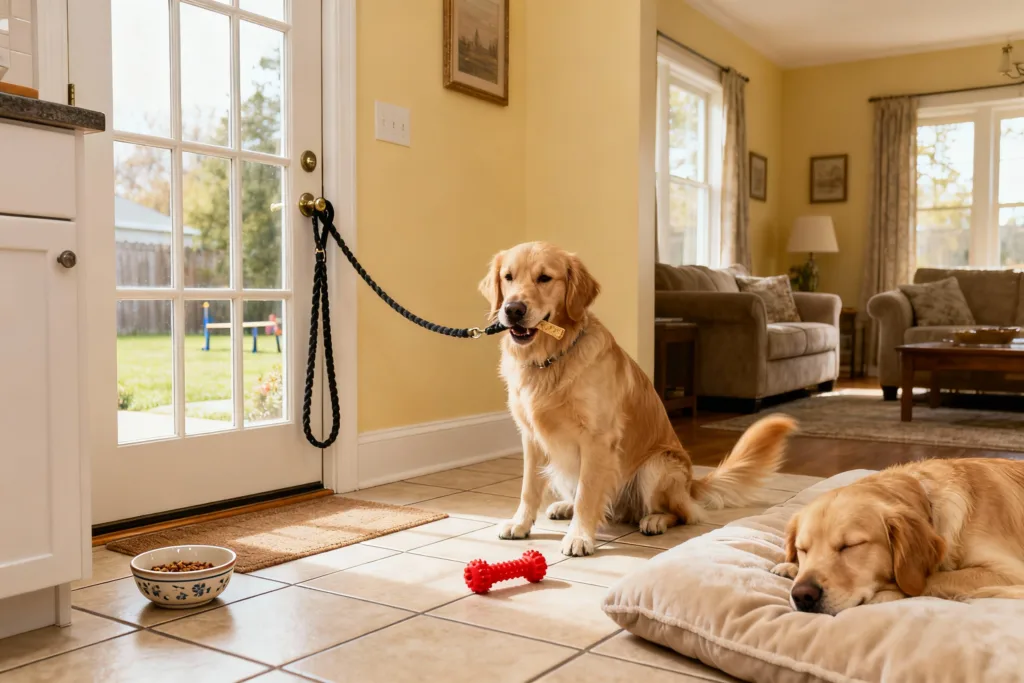
Why dog household routine adaptation matters
A stable home routine gives dogs clear signals about what happens next. This can lower confusion and help them build confidence.
Dog household routine adaptation is especially important after adoption, moving homes, family changes, or changes in an owner’s work schedule.

- ✦ Creates security
Regular patterns help dogs understand their environment and reduce uncertainty.
- ✦ Supports learning
Dogs learn commands and household rules faster when daily life follows a consistent structure.
How dogs understand routines
Dogs do not read clocks like humans. They notice patterns such as morning light, sounds, smells, and repeated actions before meals or walks.
Common situations that require dog household routine adaptation
Many dogs face routine changes during normal life events. A new baby, remote work changes, travel, or a move can change the daily environment.
Successful dog household routine adaptation depends on understanding the reason behind the change and supporting the dog during the transition.

- ✦ Moving to a new home
New smells, rooms, and sounds require gradual exploration and calm guidance.
- ✦ Adopting a rescue dog
Rescue dogs may need extra time to learn household habits and trust new family members.
How to build a successful daily routine for your dog
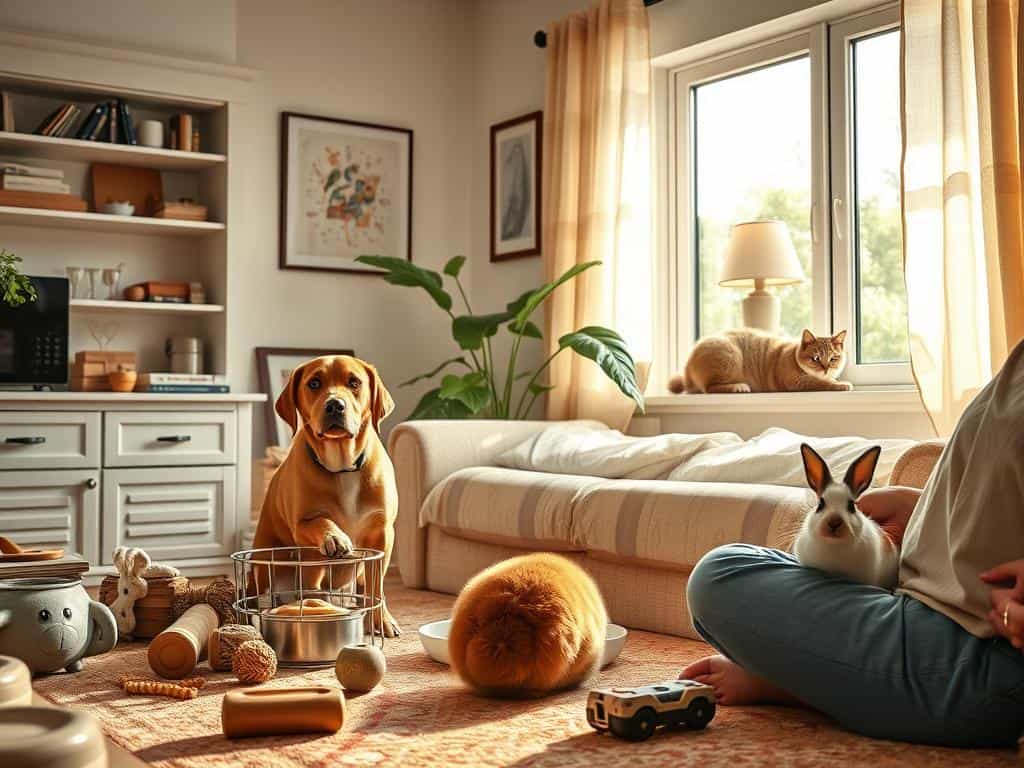
A good routine balances basic needs with flexibility. Dogs need food, exercise, mental activity, rest, and social time.
During dog household routine adaptation, owners should introduce changes slowly instead of changing everything at once.
- ✦ Set meal times
Consistent feeding times help dogs predict important daily events.
- ✦ Create exercise habits
Daily walks and play sessions support physical and emotional health.
- ✦ Protect rest time
A quiet sleeping area helps dogs recover and relax.
A simple transition method
Change one part of the routine at a time. For example, move walk times by a few minutes each day instead of making a sudden shift.
Signs your dog is struggling with routine changes
Some dogs adjust quickly, while others show stress during dog household routine adaptation. Owners should watch behavior changes carefully.
Small changes may be normal, but ongoing problems can mean the dog needs more support.
- ✦ Behavior changes
A dog may become more withdrawn, restless, or unusually clingy.
- ✦ Eating changes
Stress can affect appetite and normal feeding habits.
Helping puppies and adult dogs adapt differently
Puppies often learn new routines quickly because they are still developing habits. Adult dogs may already have strong preferences from previous homes.
Dog household routine adaptation should match the dog’s age, history, and personality.

- ✦ Puppies
Need clear schedules for feeding, toilet training, play, and sleep.
- ✦ Adult dogs
May need patience while replacing old habits with new household expectations.
Mistakes to avoid during dog household routine adaptation
Many owners want to help quickly but may create more stress by making too many changes at once.
Good dog household routine adaptation requires calm leadership and realistic expectations.

- ✦ Changing everything suddenly
Large changes can overwhelm dogs and slow adjustment.
- ✦ Ignoring individual needs
Every dog has different energy levels, fears, and learning speeds.
