
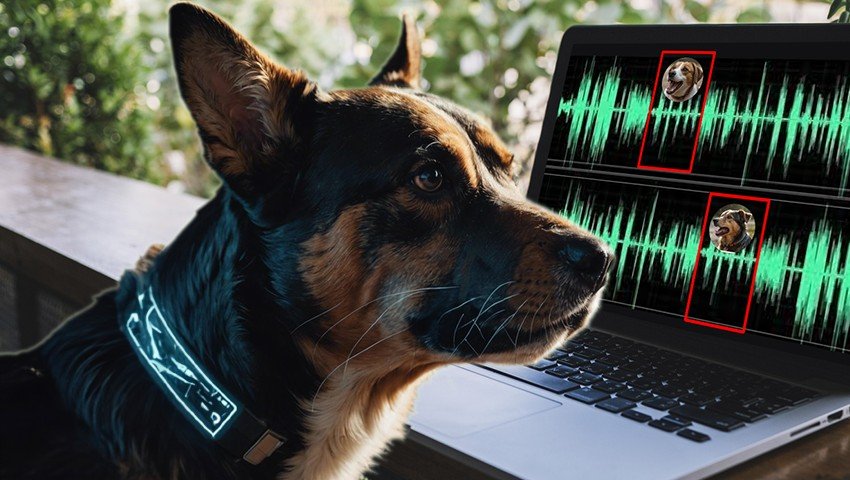
Dog human voice recognition is one of the most interesting parts of the bond between people and pets. Many dog owners in the United States notice that their dogs react when they hear their name, a family member’s voice, or a familiar phrase. This response comes from the dog’s ability to process sound and connect it with past experiences.
Research in animal behavior shows that dogs do not understand human language like people do. Instead, they combine voice tone, word patterns, body language, and context. From my experience studying dog behavior topics, the biggest lesson is that clear communication grows from trust, repetition, and positive daily interactions.

How dog human voice recognition works
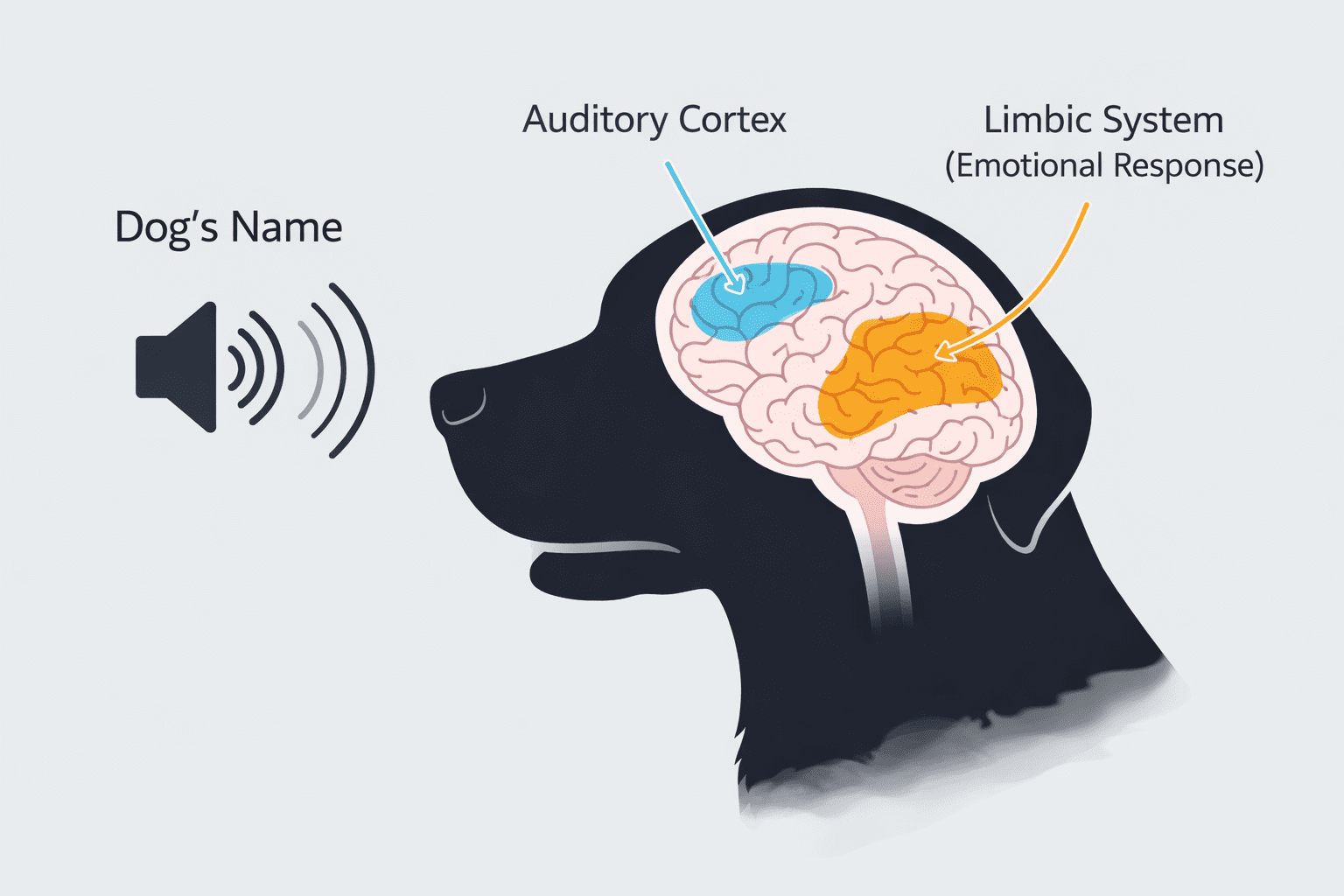
Dog human voice recognition starts with the way a dog’s brain analyzes sounds. Dogs hear changes in pitch, speed, volume, and emotional tone. These details help them decide who is speaking and what the voice may mean.
A dog may not understand every word, but it can learn that certain sounds predict events. For example, the word “walk” may become linked with going outside, while a calm voice may signal safety.
- ✦ Voice patterns
Dogs remember unique sound patterns from people they interact with often.
- ✦ Emotional tone
Dogs use changes in human emotion and voice tone to understand situations.
- ✦ Repeated learning
Frequent use of the same words and sounds helps dogs build associations.
The role of a dog’s brain and hearing system
A dog’s hearing system is highly sensitive and helps it detect small sound differences. The brain then compares new sounds with stored memories from previous experiences.
This process allows dogs to identify familiar people even when visual information is missing.
- ✦ Sound memory
Dogs can store memories of voices connected to important people and events.
Can dogs recognize their owner’s voice?
Yes, many dogs can recognize their owner’s voice. A familiar voice often creates a stronger response because it is connected with food, care, play, safety, and daily routines.
Dog human voice recognition becomes stronger over time. A dog that spends years with the same person usually builds a detailed memory of that person’s voice.

- ✦ Daily exposure
Regular conversations help dogs learn the sound of their owner’s voice.
- ✦ Emotional connection
Positive experiences make a familiar voice more meaningful.
Why dogs react to voices on phones and recordings
Some dogs respond to recorded voices, while others seem confused. This happens because a real human voice usually comes with smells, body movements, and visual signals.
A phone call provides only sound, so some dogs recognize the voice while others do not fully understand the situation.
- ✦ Limited signals
Recorded voices remove many natural clues dogs normally use.
Do dogs understand human words or only voices?
Dogs can learn many human words, but they understand them differently from people. They often connect words with actions, objects, locations, or emotions.
The voice itself also matters. The same word spoken with different emotions can create different reactions in a dog.

- ✦ Word association
Dogs learn that specific words predict certain actions or rewards.
- ✦ Tone awareness
Dogs notice whether a voice sounds happy, angry, calm, or excited.
Examples from everyday life
A dog may run toward the door after hearing “outside” because it learned the connection between the word and an activity. A dog may also relax when hearing a calm owner’s voice during stressful moments.
These examples show that communication between humans and dogs is built through repeated experiences.
How to improve communication with your dog
Owners can improve dog human voice recognition by using clear words, steady tones, and consistent routines. Dogs learn faster when communication is simple and predictable.
Training does not require complex commands. Short sessions with rewards and encouragement usually create better results.
- ✦ Use consistent words
Choose simple commands and avoid changing words for the same action.
- ✦ Speak clearly
A calm and clear voice helps dogs connect sounds with meaning.
- ✦ Reward correct responses
Positive feedback strengthens learning and trust.
Common mistakes owners make
Many owners use too many words or change commands often. This can make learning harder because dogs depend on patterns.
Another mistake is focusing only on words while ignoring body language and timing.
- ✦ Mixed signals
Different commands for the same behavior can confuse a dog.
Technology and the future of dog voice recognition
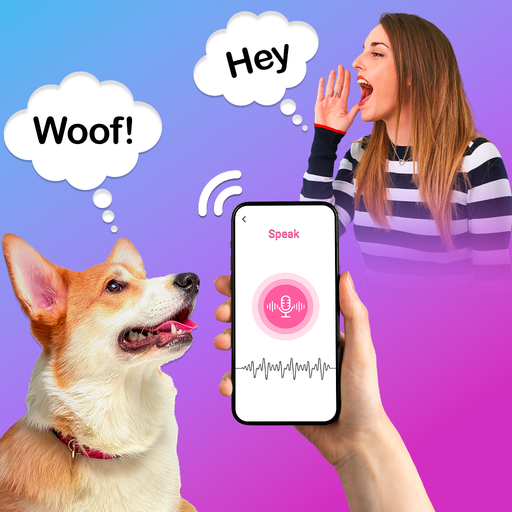
New technology is exploring ways to study animal sounds and improve human understanding of pets. Some apps claim to translate dog sounds, but many tools are still experimental.
Dog human voice recognition research may help create better pet devices, training tools, and ways to study animal communication.

- ✦ AI research
Artificial intelligence can analyze large amounts of animal sound data.
- ✦ Practical tools
Future tools may help owners track behavior and communication patterns.
Limits of voice translation technology
A dog’s bark or reaction does not always have a single meaning. Context, environment, and the dog’s personality all affect communication.
Technology can support understanding, but it cannot replace observation and a strong human-dog relationship.
