
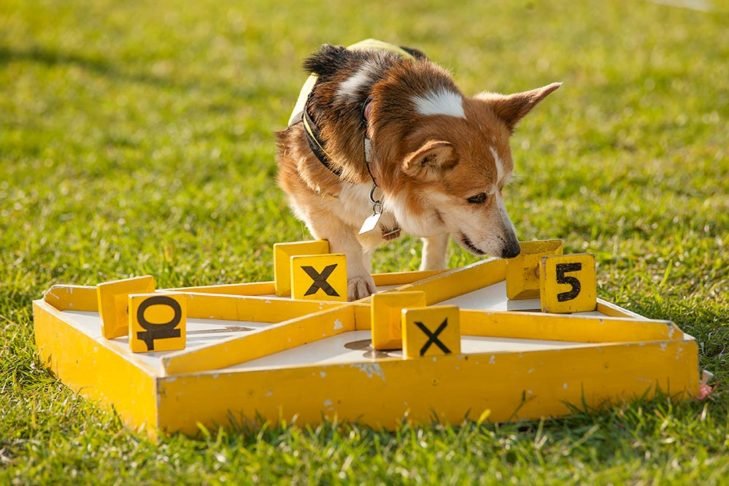
Many dogs in the United States spend long hours at home while their owners work, study, or manage busy schedules. Physical exercise is important, but dogs also need chances to use their brains. Dog problem solving games give them a healthy way to search, learn, and make choices.
From my experience studying dog enrichment methods, I have found that simple thinking games often create positive changes in behavior. A dog that learns how to solve a puzzle may become more confident and calmer during daily routines. These games are not about making a dog perform tricks. They are about helping dogs think like dogs.

What Are Dog Problem Solving Games?
Dog problem solving games are activities where dogs must complete a task to reach a goal. The goal may be finding a hidden treat, moving a toy part, following a scent, or choosing the correct action.
These games use a dog’s natural abilities. Dogs are built to search, observe, remember, and make decisions. A good problem solving game turns these natural skills into a fun learning experience.
- ✦ Mental challenge
The game requires a dog to think instead of only using physical strength.
- ✦ Natural behavior
Many games use skills like sniffing, hunting, exploring, and searching.
- ✦ Reward-based learning
Dogs often solve challenges because they receive praise, treats, or play rewards.
Why Dogs Enjoy Solving Problems
Dogs enjoy activities that allow them to make choices. Finding a solution creates a sense of success and keeps their mind active.
A simple game can become exciting because the dog controls the process. This feeling of discovery is one reason enrichment games work well.
Benefits of Dog Problem Solving Games
Dog problem solving games offer benefits beyond entertainment. They support emotional health, learning ability, and the relationship between dogs and owners.
Many owners notice that their dogs become more focused after regular brain games. A tired brain can help create a balanced daily routine.

- ✦ Reduces boredom
Thinking activities give dogs something useful to do when they have extra energy.
- ✦ Builds confidence
Successful problem solving helps dogs feel comfortable with new challenges.
- ✦ Improves training skills
Games teach dogs to pay attention, follow steps, and learn from rewards.
- ✦ Strengthens bonding
Playing together creates trust between dogs and their owners.
Types of Dog Problem Solving Games You Can Try
There are many types of dog problem solving games for different skill levels. You do not need expensive equipment to start. Many effective games use items already available at home.
The best choice depends on your dog’s personality. Some dogs love food puzzles, while others prefer scent games or movement-based challenges.

- ✦ Treat hiding games
Hide small treats around a safe area and let your dog search using smell.
- ✦ Puzzle toys
Dogs move parts of a toy to discover hidden rewards.
- ✦ DIY brain games
Simple homemade games can create fun challenges without high costs.
- ✦ Scent tracking games
Dogs follow a smell trail to locate an object or reward.
Beginner Games for New Learners
Start with easy tasks that allow quick success. A dog that feels successful will usually stay interested.
For beginners, simple treat searches and basic puzzle toys are often better than complex challenges.
- ✦ Cup game
Place a treat under one cup and let your dog choose the correct cup.
How to Choose the Right Problem Solving Game for Your Dog
Not every game works for every dog. Age, health, breed traits, and past experiences all affect how a dog responds to challenges.
A good game should feel interesting but not frustrating. Watch your dog’s body language and adjust the difficulty when needed.

- ✦ Consider age
Puppies and senior dogs may need easier games with shorter sessions.
- ✦ Match energy level
Active dogs may enjoy movement games, while calm dogs may prefer scent puzzles.
- ✦ Increase difficulty slowly
Add new challenges only after your dog understands the basic task.
DIY Dog Problem Solving Games at Home
You can create many dog problem solving games with safe household items. DIY games are useful because they allow you to change the difficulty based on your dog’s progress.
Always supervise homemade games. Avoid materials that can break into small pieces or create choking risks.

- ✦ Towel roll puzzle
Place treats inside a rolled towel and let your dog figure out how to reach them.
- ✦ Box search game
Use empty boxes to create a safe scent and searching activity.
- ✦ Frozen treat challenge
Freeze dog-safe food in a toy for a longer thinking activity.
Common Mistakes When Using Dog Problem Solving Games
Some owners make games too difficult too soon. When a dog cannot solve a challenge, it may lose interest or become frustrated.
Successful enrichment comes from balance. The goal is to help dogs think while keeping the activity enjoyable.

- ✦ Making games too hard
Begin with simple challenges and slowly increase difficulty.
- ✦ Using games as a replacement for exercise
Mental games support physical activity but do not replace walks and play.
- ✦ Ignoring safety
Choose toys and materials that match your dog’s size and chewing habits.
