
Dog breed boarding preparation is more than packing food and a leash. Every dog reacts differently to a new place. Breed traits, past experiences, energy levels, and daily habits all affect how a dog handles boarding.
In my experience working with pet care topics, the dogs that adjust best are usually the ones whose owners prepare early. A calm introduction, clear instructions, and realistic expectations can help create a positive boarding experience for both the dog and the owner.
Why Dog breed boarding preparation matters
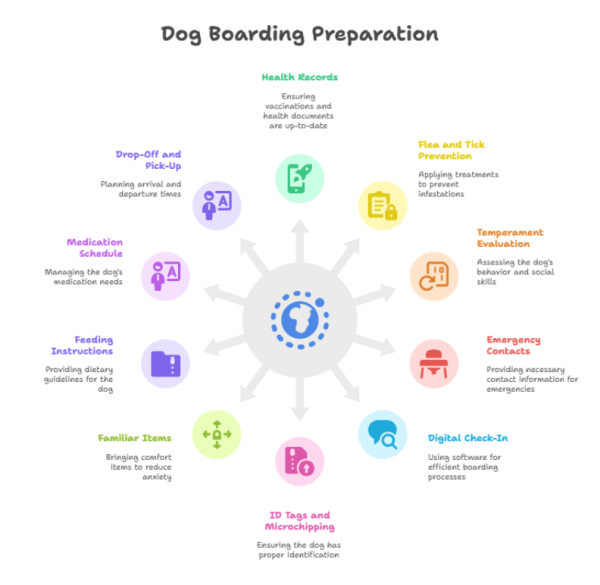
Dogs are creatures of habit. A sudden change from a familiar home to a boarding facility can feel confusing. Proper Dog breed boarding preparation gives your dog time to understand new sounds, smells, people, and schedules.
Preparation also helps boarding staff provide better care. When they know your dog’s habits, triggers, feeding style, and comfort needs, they can create a smoother daily routine.
- ✦ Reduces stress
Early preparation helps dogs feel more confident when they enter a new environment.
- ✦ Improves communication
Detailed notes help staff understand your dog’s normal behavior and needs.
- ✦ Supports safety
Health records and behavior information help prevent avoidable problems.
How breed traits affect boarding needs
Different breeds may need different boarding approaches. A social Labrador Retriever may enjoy group play, while a more reserved Shiba Inu may need extra quiet time.
High-energy breeds often need more exercise and mental activities. Older dogs may need slower routines, medication support, and comfortable rest areas.
- ✦ Active breeds
Provide exercise details and ask about play options before booking.
- ✦ Sensitive breeds
Share stress signals and calming methods with the boarding team.
Start preparing your dog weeks before boarding
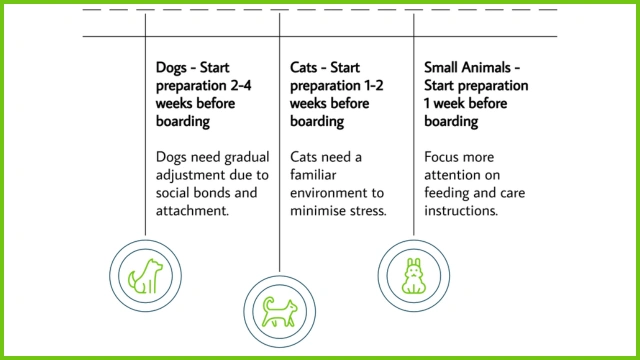
The best Dog breed boarding preparation starts before the actual boarding date. Waiting until the last day can increase stress for both you and your dog.
A gradual plan gives your dog time to adjust. Small changes at home can build confidence before the bigger transition.
- ✦ Practice short separations
Leave your dog alone for short periods to build comfort with temporary separation.
- ✦ Keep routines stable
Maintain normal feeding, walking, and sleeping schedules before boarding.
- ✦ Visit the facility
A pre-boarding visit helps your dog become familiar with the location.
Create a complete boarding checklist for your dog
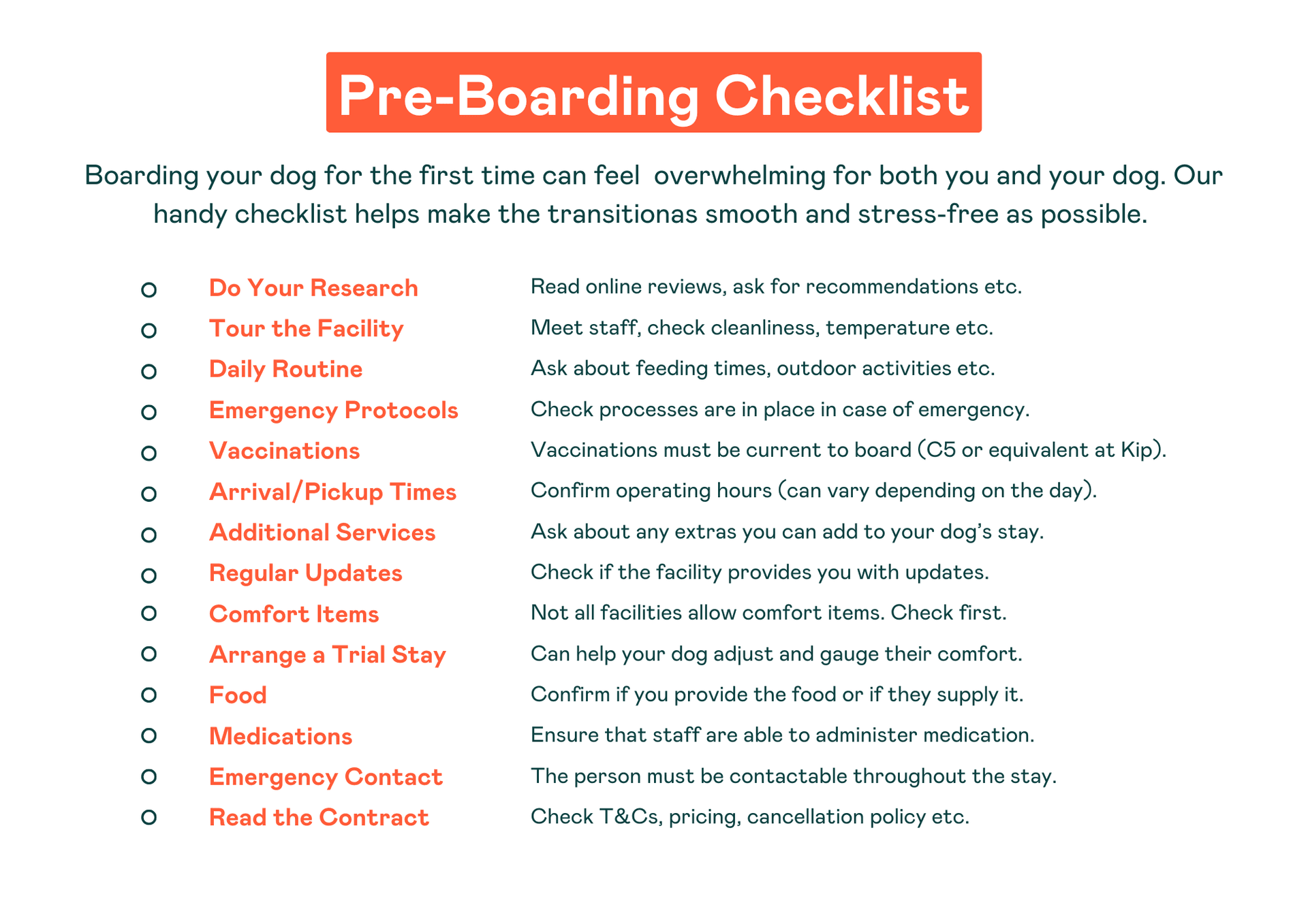
A detailed checklist is one of the most useful parts of Dog breed boarding preparation. It prevents forgotten items and helps the boarding team follow your dog’s normal routine.
Many U.S. boarding facilities require vaccination records, emergency contacts, and feeding instructions. Prepare these documents before drop-off day.
- ✦ Health documents
Bring vaccination records, medication details, and veterinarian contact information.
- ✦ Food instructions
Write exact meal amounts, feeding times, and special diet notes.
- ✦ Comfort items
Pack approved familiar items such as a blanket or toy if the facility allows them.
Information to share with boarding staff
Good communication improves your dog’s experience. Tell staff about personality traits, fears, favorite activities, and warning signs.
Simple details matter. For example, explain if your dog dislikes loud noises, needs slow introductions, or prefers resting alone.
- ✦ Behavior notes
Describe normal behavior and situations that may cause stress.
Prepare your dog’s health before boarding
Health preparation is a key part of Dog breed boarding preparation. A boarding stay exposes dogs to new environments, so keeping vaccines and preventive care updated is important.
Schedule a veterinary check if your dog has health concerns, takes medication, or has not had a recent wellness visit.
- ✦ Update vaccinations
Confirm required vaccines with your chosen boarding facility.
- ✦ Check medications
Provide clear instructions for dosage, timing, and storage.
- ✦ Prepare emergency details
Share your veterinarian’s information and emergency contact details.
Help your dog handle boarding anxiety
Some dogs show stress when their environment changes. Signs may include hiding, reduced appetite, excessive barking, or unusual behavior.
The goal of Dog breed boarding preparation is not to remove every feeling of stress. Instead, it helps your dog develop confidence and coping skills.

- ✦ Use positive experiences
Reward calm behavior during new experiences and visits.
- ✦ Avoid emotional goodbyes
A calm departure can help reduce tension during drop-off.
- ✦ Consider trial stays
A short overnight stay can help your dog adjust before a longer trip.
Special considerations for puppies and senior dogs
Puppies may need extra attention because they are still learning social skills and routines. Senior dogs may need more comfort, rest, and medical support.
Always choose a boarding option that matches your dog’s life stage and physical needs.
Choose the right boarding facility for your dog
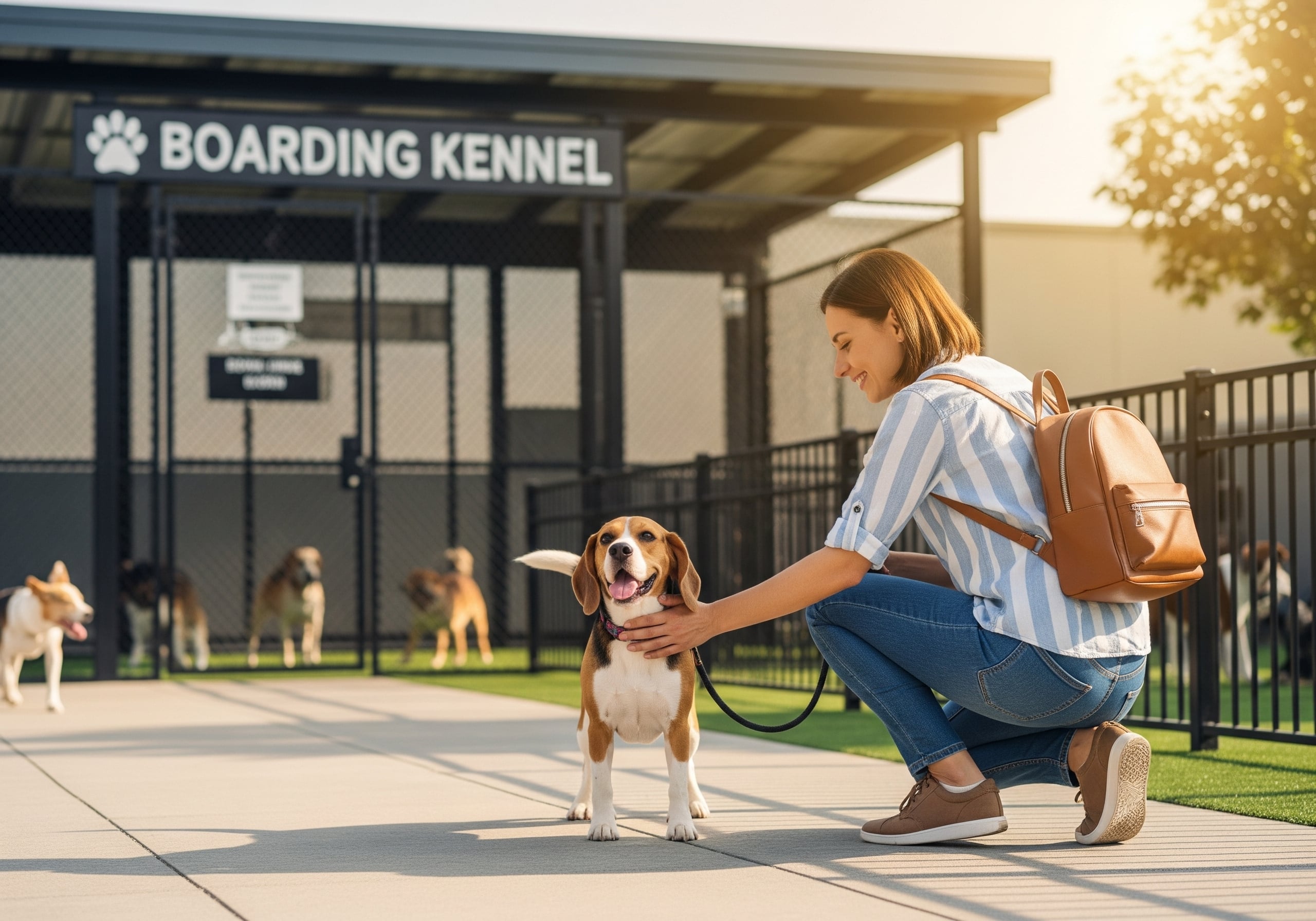
The boarding environment plays a major role in your dog’s experience. A good facility should match your dog’s personality, activity level, and care requirements.
During a visit, observe cleanliness, staff interaction, safety rules, and how dogs are supervised.
- ✦ Ask about daily routines
Learn how the facility handles meals, exercise, playtime, and rest.
- ✦ Review safety policies
Understand emergency procedures and supervision practices.
- ✦ Match care style
Choose a facility that fits your dog’s comfort level.
