
Dog breed travel adaptation is how dogs adjust to new travel settings with training, support, and time.
Dog breed travel adaptation is an important part of responsible pet ownership. A dog that enjoys a short car ride may still struggle with a long road trip, airplane travel, or a new hotel. Breed traits, age, health, and past experiences all shape how a dog responds.
In my experience studying dog behavior and travel routines, the best results come from gradual exposure. Dogs do not need perfect travel skills overnight. They need clear routines, positive experiences, and owners who understand their natural needs.
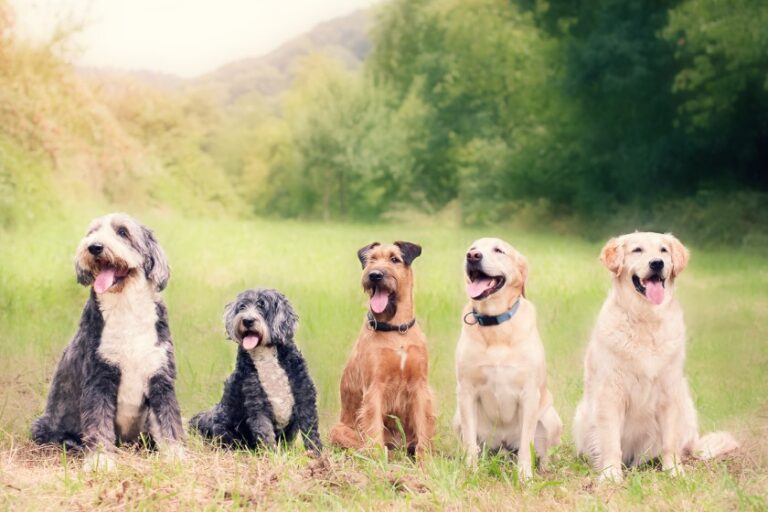
What Is Dog Breed Travel Adaptation?
Dog breed travel adaptation describes the process of a dog becoming comfortable with travel changes. These changes may include new sounds, places, people, smells, schedules, and movement.
Some dogs adapt quickly because they are naturally curious and confident. Other dogs need more support because they are sensitive to noise, unfamiliar spaces, or changes in routine.

- ✦ Physical adaptation
Dogs learn to handle movement, temperature changes, and different environments during travel.
- ✦ Emotional adaptation
Dogs build confidence when travel experiences feel safe and predictable.
Why Breed Traits Matter During Travel
Breed history can influence travel behavior. Working breeds may enjoy outdoor adventures, while some companion breeds may prefer shorter and calmer trips.
However, breed alone does not decide travel success. Training, socialization, and individual personality often have a strong effect.
Factors That Influence Dog Breed Travel Adaptation
Many factors affect Dog breed travel adaptation. A young dog with positive experiences may adjust faster than an adult dog that has never traveled before.
American pet owners often travel with dogs for vacations, camping trips, family visits, and outdoor activities. Preparing for these situations can reduce stress.
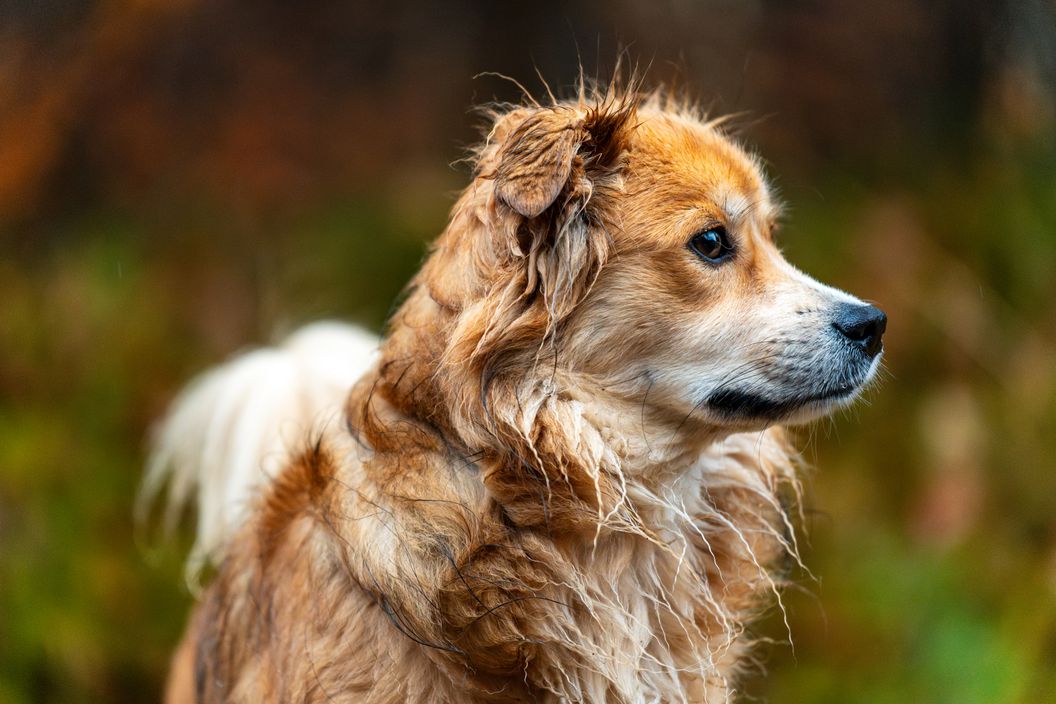
- ✦ Age and life experience
Puppies can learn travel habits early, while older dogs may need slower introductions.
- ✦ Previous travel history
Dogs with positive travel memories often feel more comfortable in future trips.
- ✦ Health and comfort
Pain, motion sickness, or illness can make travel harder for dogs.
How Different Dog Breeds Handle Travel
Dog breed travel adaptation varies because breeds were developed for different roles. A hiking breed may enjoy active travel, while a relaxed companion dog may prefer quiet environments.
Understanding natural behavior helps owners create better travel plans. The goal is not to force every dog into the same travel style.
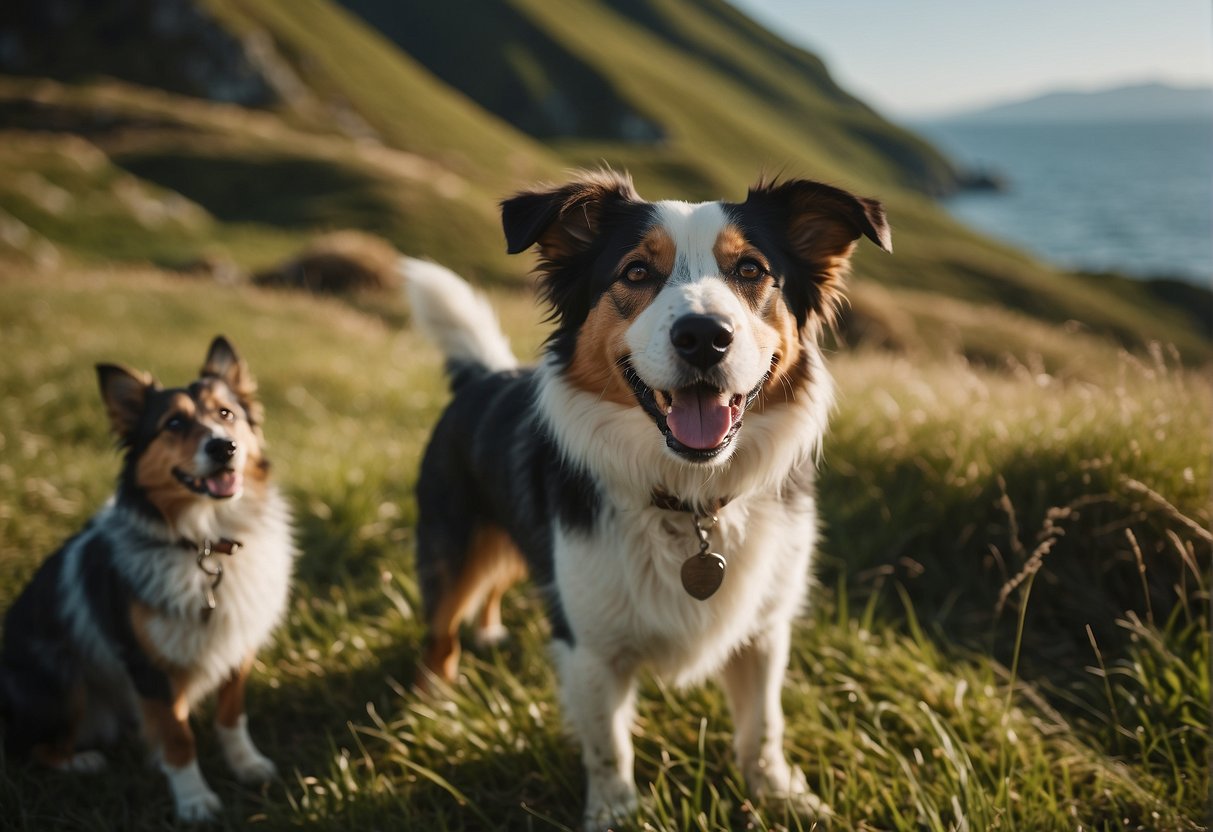
- ✦ Active breeds
Many sporting and working breeds may enjoy road trips, hiking, and outdoor exploration when properly trained.
- ✦ Small companion breeds
Many smaller dogs can travel well when they have familiar carriers, routines, and comfort items.
- ✦ Sensitive breeds
Some dogs need extra time to adjust to crowds, hotels, airports, and unfamiliar sounds.
Preparing Your Dog for Better Travel Adaptation
Successful Dog breed travel adaptation starts before the trip begins. Owners should introduce travel tools, sounds, and locations slowly.
A calm preparation routine can help dogs feel that travel is a normal part of life instead of a frightening event.
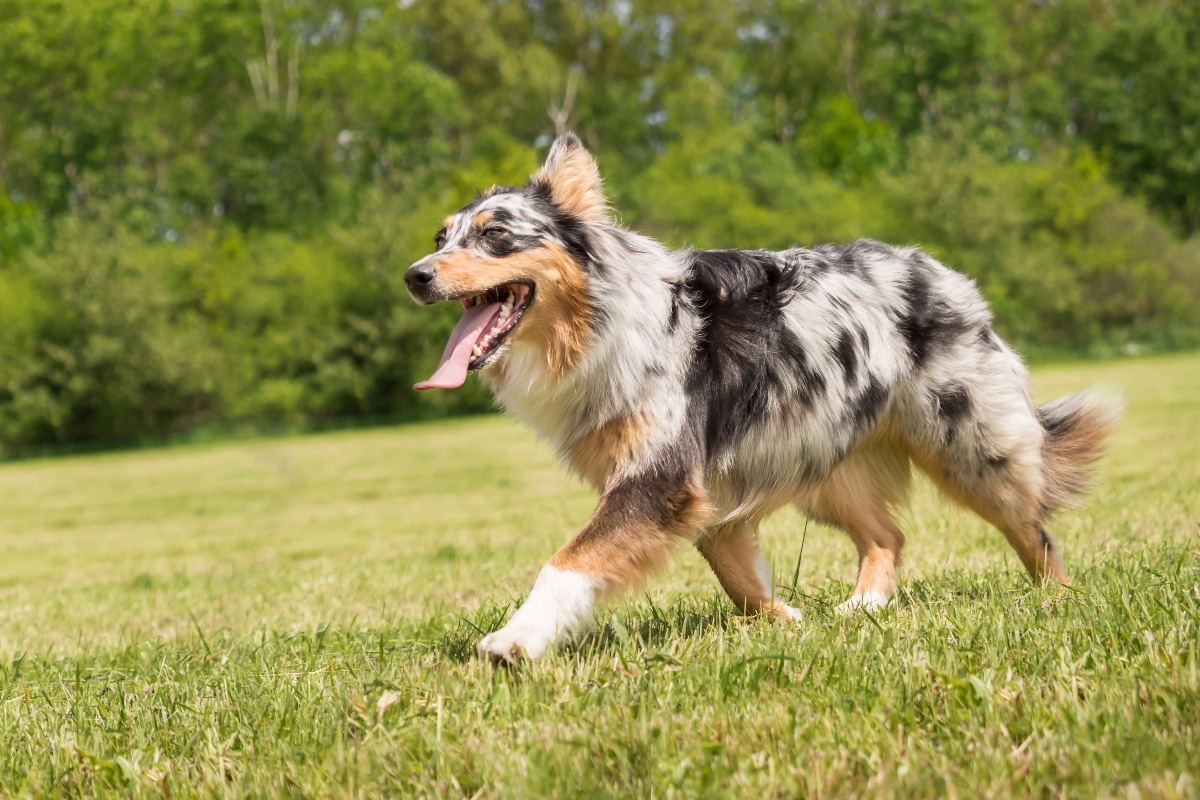
- ✦ Practice short trips
Begin with short drives and slowly increase travel time.
- ✦ Use familiar items
Bring blankets, toys, or bedding that carry familiar smells.
- ✦ Keep routines stable
Maintain feeding, walking, and rest schedules when possible.
Training Steps Before Long Trips
Teach your dog to enter carriers, sit calmly in vehicles, and relax in new places. Reward calm behavior instead of forcing interaction.
Positive training creates trust and improves long-term travel confidence.
Common Travel Challenges for Dogs
Even well-trained dogs can face challenges during travel. Motion sickness, fear, separation stress, and unfamiliar surroundings are common concerns.
Dog breed travel adaptation improves when owners notice early signs of stress and respond with patience.
- ✦ Travel anxiety
Signs may include pacing, whining, shaking, or avoiding new situations.
- ✦ New environment stress
Hotels and vacation homes may feel overwhelming because of new smells and sounds.
Tips for Road Trips, Flights, and Vacations
Different travel methods require different preparation. Road trips allow more control, while flights may require stricter planning.
Good Dog breed travel adaptation depends on choosing travel methods that match your dog’s comfort level.
- ✦ Road trips
Plan breaks, provide water, and secure your dog safely inside the vehicle.
- ✦ Air travel
Check airline rules early and prepare your dog for carrier time.
- ✦ Vacation stays
Allow your dog time to explore new spaces slowly.
