
Dog breed daycare preparation is an important step before leaving your dog in a group care setting. A daycare environment can include new dogs, new smells, loud sounds, and different routines. Preparing your dog helps reduce stress and builds confidence.
From my experience studying dog care routines, I have seen that the best daycare experiences start before the first visit. Owners who prepare their dogs with simple training, health checks, and gradual exposure often create smoother transitions.
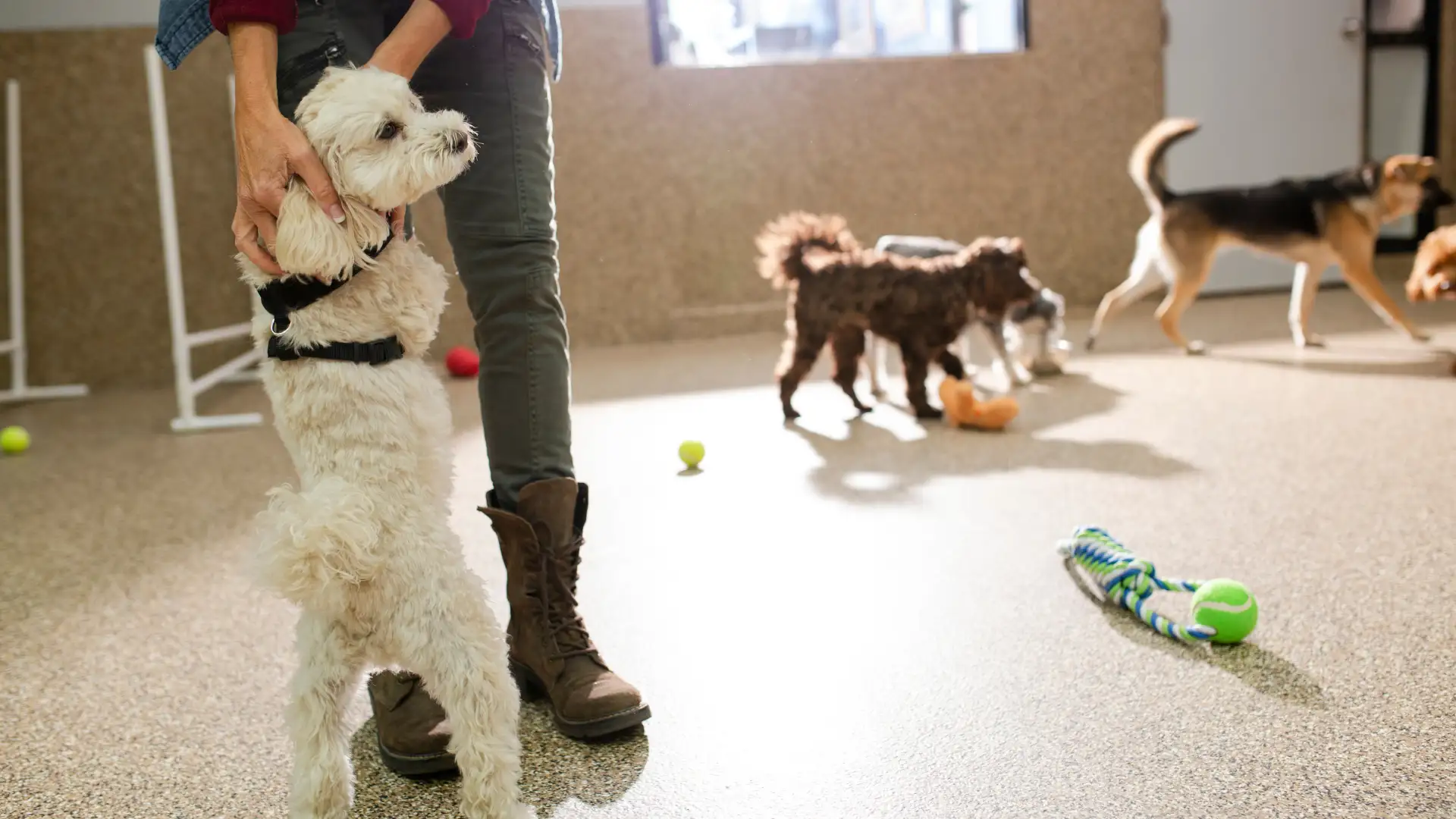
understanding Why Dog Breed Daycare Preparation Matters
Dog breed daycare preparation helps your dog understand what to expect before entering a busy social environment. Dogs do not naturally know that daycare is a safe place. They learn through repeated positive experiences.
Breed traits can influence how a dog reacts to daycare. Some dogs enjoy constant play, while others need more quiet time and slower introductions.
- ✦ Builds confidence
Preparation helps dogs feel comfortable around unfamiliar people, dogs, and places.
- ✦ Reduces stress
A prepared dog is more likely to handle changes in routine without fear or confusion.
- ✦ Improves safety
Basic training and social skills help staff manage your dog more easily.
How Breed Personality Affects Daycare Readiness
Different breeds have different needs. High-energy breeds may need more exercise and play time, while sensitive breeds may need slower introductions.
Understanding your dog’s personality matters more than breed labels alone. Each dog has unique experiences, habits, and comfort levels.
- ✦ Active breeds
They may enjoy structured play sessions and activities that use their energy.
- ✦ Calm breeds
They may prefer smaller play groups and more rest periods.
Complete Health Checklist Before Dog Daycare
A healthy dog is more prepared for daycare. Most professional daycare centers in the United States require updated vaccines and health records before accepting a dog.
Before your first visit, schedule a wellness check with your veterinarian. This helps identify health concerns that could affect your dog’s comfort or safety.

- ✦ Vaccination records
Keep required vaccines updated according to your veterinarian and daycare rules.
- ✦ Parasite prevention
Use proper flea, tick, and parasite prevention methods recommended for your dog.
- ✦ Emergency information
Provide contact details, medication needs, and veterinary information.
Grooming and Cleanliness Preparation
Clean grooming habits make daycare more comfortable for your dog and other pets. Trim nails, brush loose hair, and check ears before the visit.
A clean dog also allows daycare staff to notice changes in skin, coat, or behavior more easily.
- ✦ Nail care
Short nails reduce accidental scratches during play.
Training Skills Every Dog Should Know Before Daycare
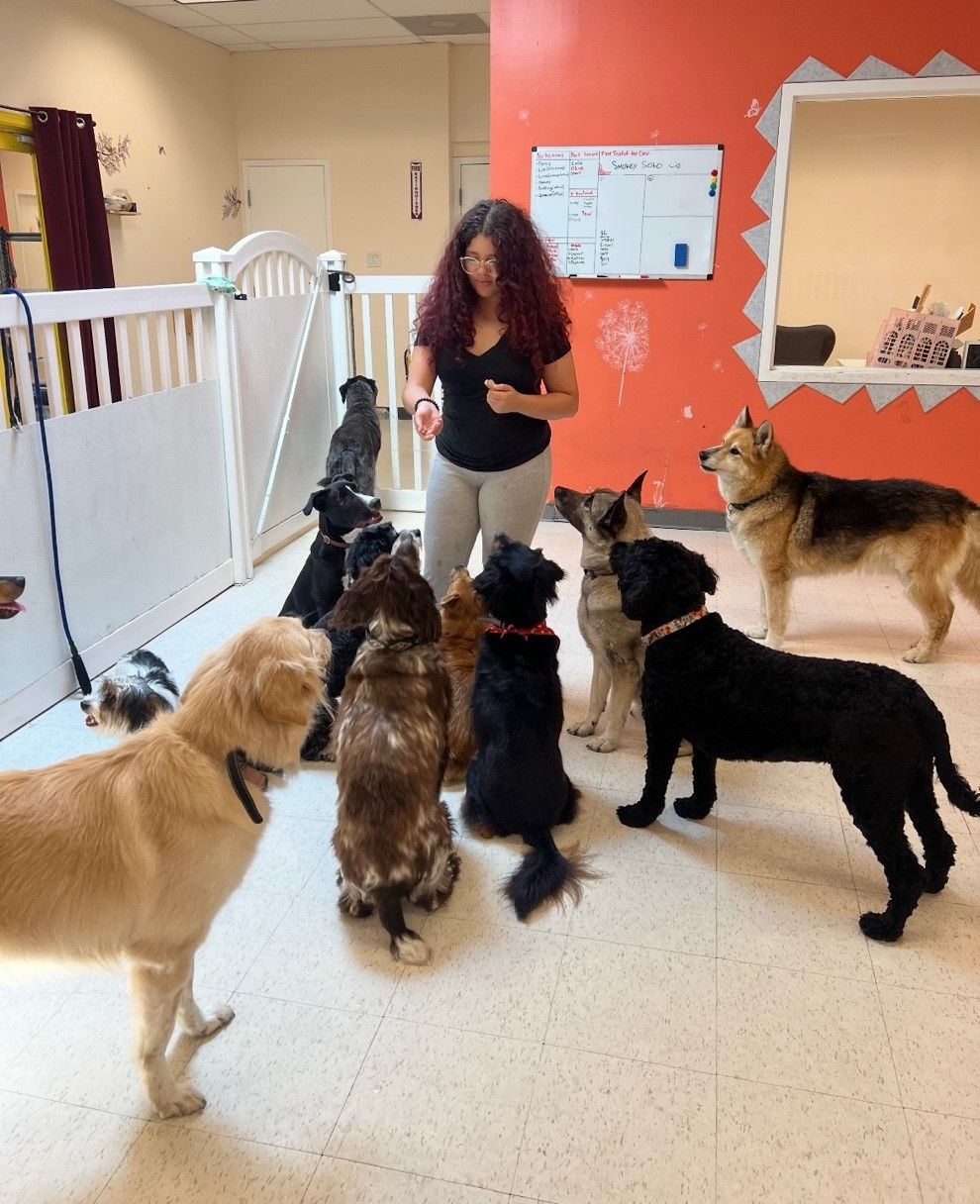
Basic obedience is one of the most valuable parts of dog breed daycare preparation. Commands like sit, stay, come, and leave it help staff guide your dog during busy moments.
Training does not need to be advanced. Simple communication between your dog and caregivers can prevent many problems.
- ✦ Recall command
Your dog should respond when called, especially during group activities.
- ✦ Calm greetings
Teach your dog to meet people and dogs without jumping or rushing.
- ✦ Handling tolerance
Dogs should feel comfortable with gentle touching for safety checks.
Socialization Before the First Visit
Socialization teaches dogs how to handle different situations. It should happen slowly and with positive rewards.
A dog that has never met other dogs may need short practice sessions before joining a daycare group.
- ✦ Start small
Begin with calm dogs and controlled environments before larger groups.
Creating a Comfortable Daycare Routine at Home
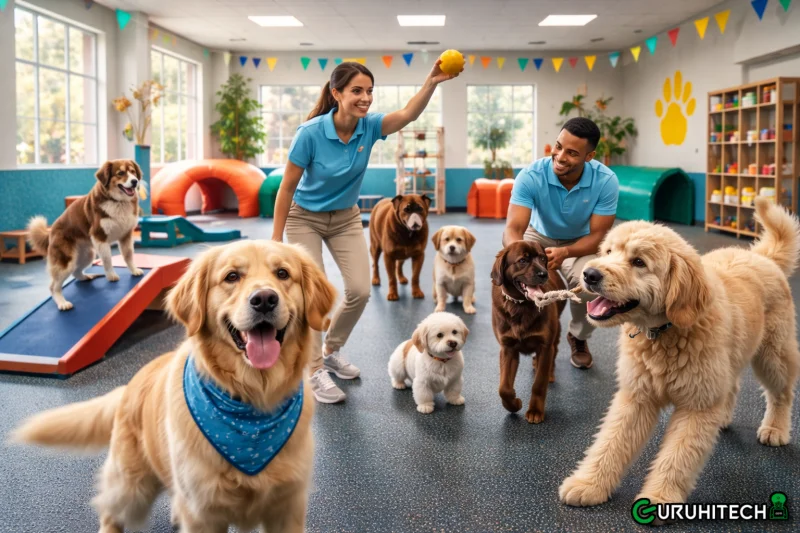
Dogs feel safer when they understand daily patterns. Before daycare begins, create routines that match the daycare schedule when possible.
Practice short periods away from your dog if they struggle with separation. This helps them learn that leaving is temporary.
- ✦ Adjust feeding times
Match meals with the expected daycare schedule to avoid stomach discomfort.
- ✦ Practice alone time
Short separation practice can build independence.
- ✦ Use familiar items
A favorite toy or blanket may help some dogs feel secure.
The First Day Drop-Off Strategy
Keep your goodbye calm and positive. Long emotional goodbyes can increase anxiety for some dogs.
Follow daycare instructions about arrival times, food, and personal items.
- ✦ Stay confident
Dogs often notice human emotions and may react to nervous behavior.
Choosing the Right Dog Daycare Facility
Choosing the right daycare is a major part of dog breed daycare preparation. A good facility should match your dog’s size, energy, personality, and comfort level.
Visit the daycare before enrolling. Look at cleanliness, staff interaction, play areas, rest spaces, and safety procedures.

- ✦ Ask about supervision
Learn how staff monitor dogs during play and rest periods.
- ✦ Check group sizes
Smaller groups may work better for shy or sensitive dogs.
- ✦ Review policies
Understand vaccination rules, emergencies, and behavior requirements.
Signs of a Quality Daycare
A quality daycare focuses on safety, enrichment, and healthy interactions. Staff should understand dog behavior and communicate clearly with owners.
A clean environment with structured activities is often a sign of thoughtful care.
- ✦ Professional communication
Staff should answer questions and explain daily routines clearly.
Common Mistakes Owners Make During Daycare Preparation
Many owners focus only on finding a daycare and forget the preparation process. Rushing the first visit can create fear or stress.
Good dog breed daycare preparation takes time and focuses on building trust.
- ✦ Starting too quickly
Dogs may need several short visits before full-day daycare.
- ✦ Ignoring personality
Not every dog enjoys the same level of social activity.
- ✦ Skipping training
Basic manners make daycare safer for everyone.
