
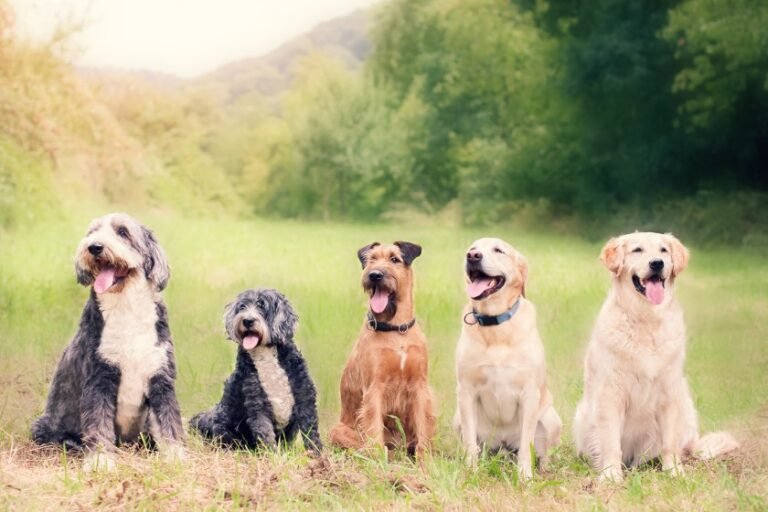
Preparing a dog for a kennel is more than placing a bed inside a crate. Good Dog breed kennel preparation considers your dog’s breed, personality, energy level, and daily routine. A prepared dog usually adapts faster because the kennel feels familiar instead of strange.
From my experience studying dog care routines, I have seen that small details matter. A familiar blanket, a clear feeding schedule, and short practice sessions can make a major difference. Owners in the United States often use kennels for boarding, travel, grooming visits, and veterinary stays, so early preparation is valuable.
Understanding Dog breed kennel preparation before a kennel stay
Dog breed kennel preparation starts with understanding how your dog responds to new spaces. Every breed has different needs. A working breed may need more exercise before kennel time, while a calm companion breed may need extra comfort and reassurance.
The goal is to create a positive connection with the kennel. Your dog should see it as a safe resting place, not a punishment area. This approach helps reduce fear and improves confidence.
- ✦ Know your dog’s breed traits
Learn your dog’s natural energy level, social needs, and stress signals before planning kennel training.
- ✦ Observe daily habits
Keep track of feeding times, sleep patterns, exercise needs, and favorite comfort items.
Why breed differences matter
A Border Collie may need more mental activity before kennel time, while a Bulldog may need more attention to temperature and comfort. Breed differences influence how dogs handle changes in their environment.
- ✦ Energy management
Active dogs often relax better after proper exercise and enrichment.
Choosing the right kennel for your dog’s breed and size
The kennel itself plays an important role in Dog breed kennel preparation. A kennel should provide enough space for your dog to stand, turn around, and rest comfortably. It should also provide proper airflow and safety.
Many owners choose kennels based only on size. However, material, design, and purpose also matter. Travel kennels, home crates, and boarding kennels may require different features.

- ✦ Correct kennel size
Choose a kennel that allows natural movement without giving excessive unused space.
- ✦ Safe materials
Use strong, easy-to-clean materials that match your dog’s behavior and needs.
Kennel comfort essentials
Add simple comfort items such as washable bedding, safe toys, and familiar scents. Avoid items that your dog may destroy or swallow.
- ✦ Comfort items
Use familiar items to help your dog feel secure during the kennel stay.
Training your dog before kennel boarding
Training is one of the most important parts of Dog breed kennel preparation. A dog that has practiced kennel time at home is more likely to stay relaxed during boarding.
Start with short sessions. Let your dog explore the kennel without pressure. Reward calm behavior and slowly increase the time spent inside.
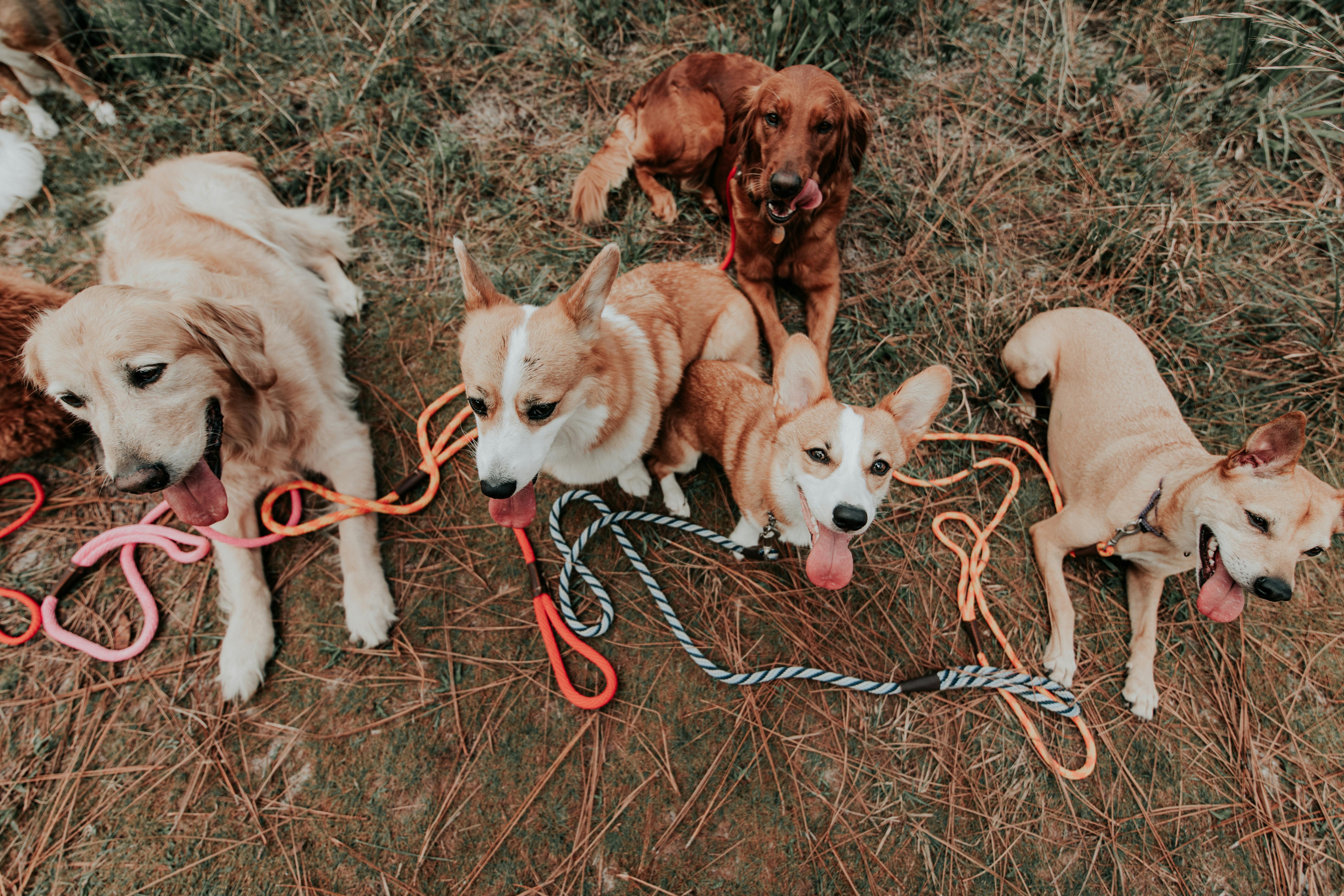
- ✦ Create positive experiences
Give treats, praise, and calm attention when your dog enters the kennel willingly.
- ✦ Practice gradually
Increase kennel time slowly to avoid creating fear or stress.
Common kennel training mistakes
Avoid using the kennel as punishment. Dogs learn from emotional experiences, and negative associations can make future stays harder.
- ✦ Avoid forced entry
Allow your dog to build trust with the kennel through positive practice.
Preparing food, health records, and supplies
A complete Dog breed kennel preparation plan includes all items your dog needs during the stay. Good preparation helps kennel staff follow your dog’s normal routine.
Many boarding facilities in the United States request vaccination records and emergency information. Prepare these documents before the drop-off day.
- ✦ Food supplies
Pack your dog’s regular food to reduce stomach problems caused by sudden diet changes.
- ✦ Health information
Provide medication instructions, veterinarian details, and vaccination records when needed.
- ✦ Daily routine notes
Share feeding times, walking habits, and behavior information with kennel staff.
Helping different dog breeds adjust to kennel environments
Different breeds may react differently during a kennel stay. Some dogs adjust quickly, while others need more time to feel comfortable. Dog breed kennel preparation should match the individual dog’s personality.
Watch for signs of stress such as excessive barking, hiding, pacing, or loss of appetite. These signals help owners and caregivers provide better support.
- ✦ High-energy breeds
Provide exercise and mental activities before kennel time.
- ✦ Sensitive breeds
Use calm routines and familiar items to create security.
Building confidence before boarding
Short visits to a kennel or daycare can help dogs become familiar with new smells, sounds, and people before a longer stay.
- ✦ Early exposure
Positive experiences help dogs develop better adjustment skills.
Final checklist for successful Dog breed kennel preparation
A final checklist helps prevent forgotten items and last-minute stress. Good planning makes the kennel experience smoother for both dogs and owners.
Before leaving your dog, confirm all instructions with the kennel team. Clear communication supports better care.
- ✦ Before drop-off
Confirm feeding instructions, emergency contacts, medications, and pickup details.
- ✦ During the stay
Stay consistent with your dog’s normal routine as much as possible.
