
Dog breed meal timing is one of the simplest ways to support a dog’s daily health. In my experience reviewing feeding routines, many problems come from inconsistent meal times rather than poor food choices alone. A steady schedule helps dogs know when to expect food and can make digestion easier.
In the United States, many families balance work, school, and busy routines. A practical feeding plan must fit real life while meeting a dog’s natural needs. The right Dog breed meal timing plan changes as a dog grows from puppy to adult and then senior years.

Why Dog Breed Meal Timing Matters
Dogs are creatures of habit. Regular meal times create a predictable daily rhythm that can reduce stress and support better eating habits.
Dog breed meal timing also helps owners track appetite changes. A sudden change in eating behavior can be easier to notice when meals happen at set times.
- ✦ Better digestion
Regular meals allow the digestive system to work on a predictable schedule.
- ✦ Weight management
Scheduled portions make it easier to avoid overfeeding and unwanted weight gain.
- ✦ Health monitoring
Changes in meal interest may reveal possible health concerns earlier.
The role of breed differences
Small breeds often have faster metabolisms and may need carefully planned portions. Large breeds need balanced meal timing because eating habits can affect growth and body condition.
Every dog is different. Breed information is useful, but owners should also consider activity, medical history, and veterinarian advice.
Dog Breed Meal Timing by Life Stage
A dog’s age is one of the biggest factors in choosing meal frequency. Puppies, adults, and senior dogs have different energy needs.
A young puppy needs smaller meals because its stomach is still developing. Adult dogs usually move to fewer meals, while older dogs may need adjustments based on health.

- ✦ Puppies
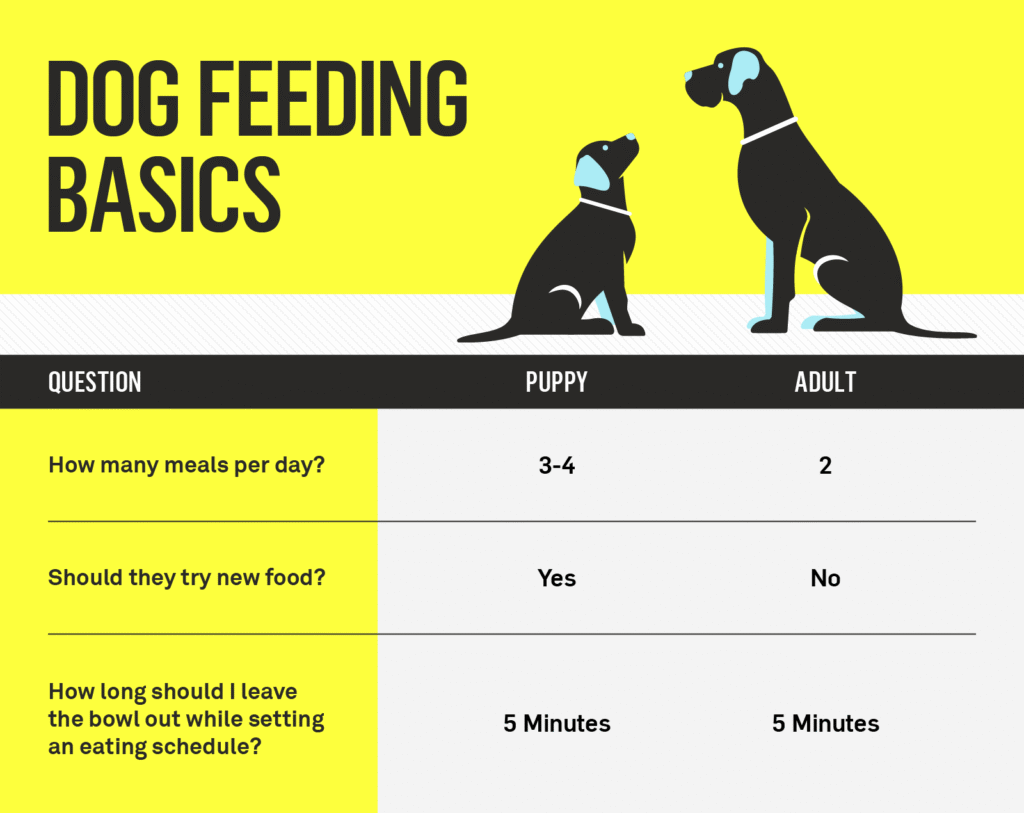
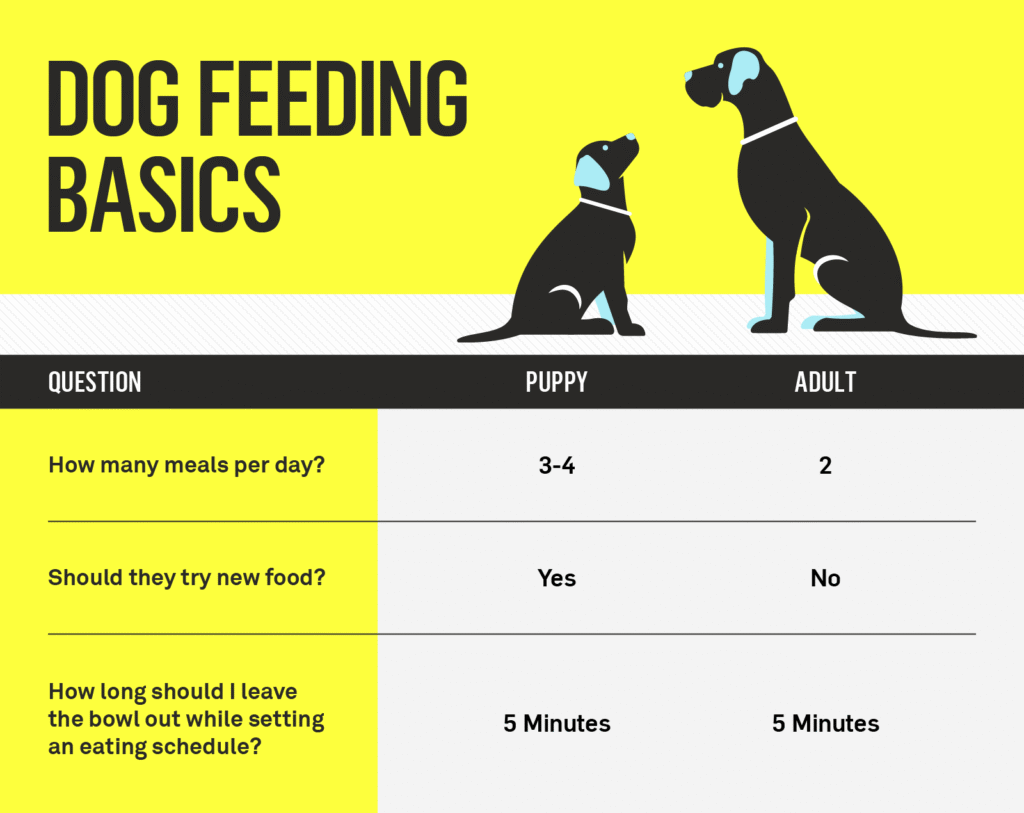
Young puppies often need three to four meals per day with portions divided evenly.
- ✦ Adult dogs
Many adult dogs do well with two meals daily, usually morning and evening.
- ✦ Senior dogs
Older dogs may need meal changes based on activity, weight, and medical needs.
Creating a puppy feeding routine
A puppy feeding schedule should be consistent every day. Regular timing can help with digestion and house training because bathroom patterns often follow meals.
How Often Should Different Dog Breeds Eat?
There is no single feeding schedule for every breed. A Chihuahua and a Great Dane have very different body sizes, energy needs, and digestion patterns.
Dog breed meal timing should match the dog’s lifestyle. Active working dogs may need different meal planning compared with calm household pets.

- ✦ Small breeds
Small dogs may benefit from divided meals because they have smaller stomach capacity.
- ✦ Large breeds
Large breeds often need controlled portions and careful routines.
- ✦ Active breeds
Highly active dogs may require meal timing that supports exercise and recovery.
Best Daily Feeding Schedule Examples
Many American dog owners prefer morning and evening meals because they fit common work schedules. The key is keeping the timing consistent.
A good routine should leave enough time between meals and avoid feeding large amounts right before intense exercise.

- ✦ Morning meal
A morning meal can provide energy for the first part of the day.
- ✦ Evening meal
An evening meal can support overnight energy needs and routine stability.
Adjusting meal timing safely
When changing a feeding schedule, make small adjustments over several days. Sudden changes may upset digestion in some dogs.
Common Dog Meal Timing Mistakes to Avoid
Many feeding problems happen because owners focus only on food type and ignore routine. Meal timing is an important part of complete dog care.
Avoiding simple mistakes can improve comfort and help maintain a healthy body condition.
- ✦ Free feeding without limits
Leaving unlimited food available can make weight control harder for some dogs.
- ✦ Irregular meal times
Changing feeding times often can make routines less predictable.
- ✦ Ignoring lifestyle changes
Dogs may need different meal timing after changes in activity or health.
