
A good feeding plan does more than fill a food bowl. Dog breed feeding management helps owners understand how different dogs use nutrients, how much food they need, and when they should eat. In my experience reviewing pet care routines, many health issues start with simple feeding mistakes like poor portions or irregular meals.
In the United States, dogs live many different lifestyles. A small apartment dog may need a different feeding routine than an active working dog on a farm. Effective Dog breed feeding management focuses on the individual dog instead of following one feeding rule for every breed.

Understanding Dog breed feeding management basics
Dog breed feeding management is the process of planning meals that fit a dog’s natural needs. It considers breed size, body condition, life stage, energy level, and medical history.
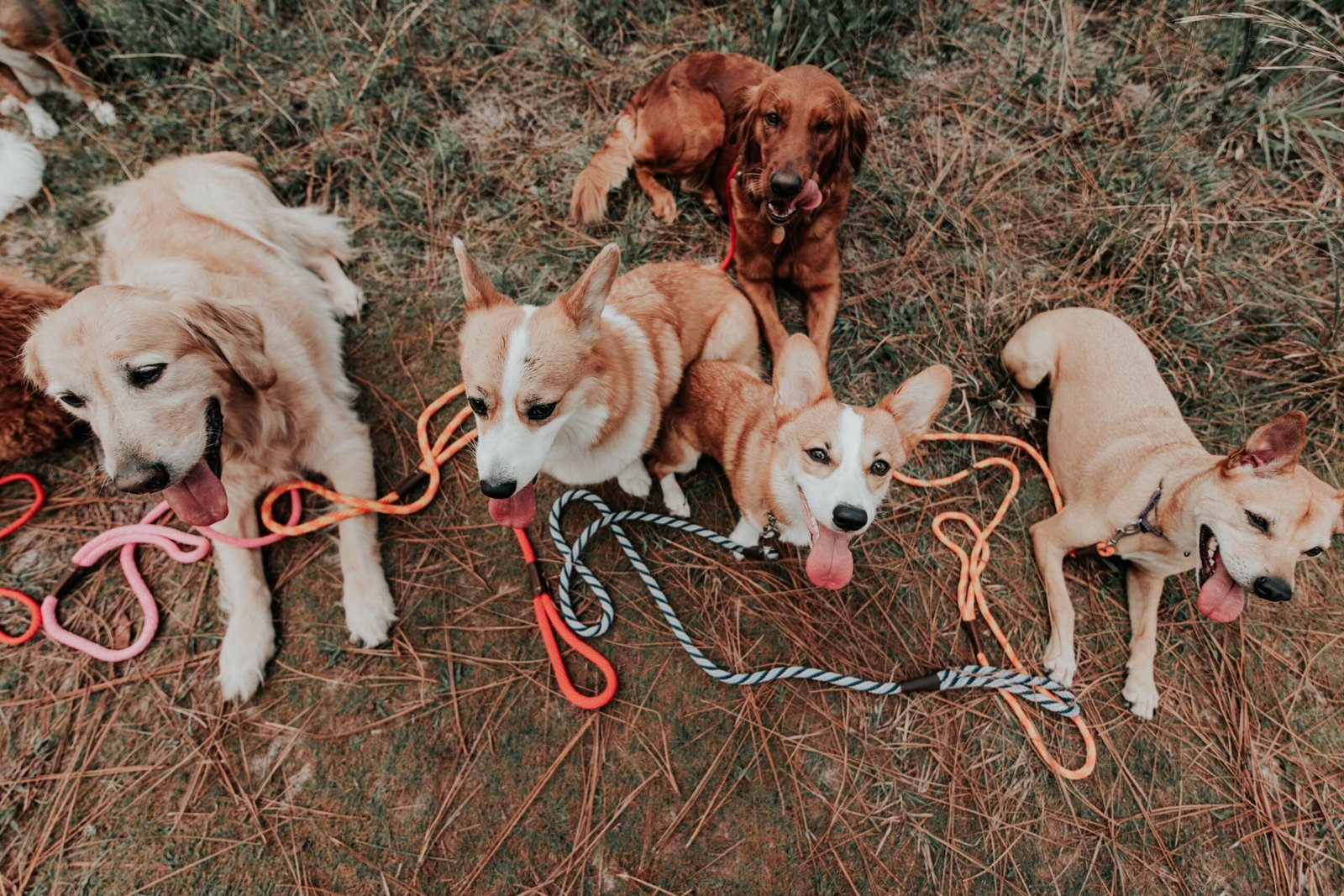
A Chihuahua, a Labrador Retriever, and a Great Dane do not need the same feeding approach. Their body size, metabolism, and growth patterns are different, so their food amount and schedule may also differ.

- ✦ Breed size
Small, medium, and large breeds often require different calorie levels and nutrient balance.
- ✦ Life stage
Puppies, adult dogs, and senior dogs need different feeding plans.
- ✦ Activity level
Active dogs usually need more energy than dogs with a calm lifestyle.
How breed size changes feeding needs
Size is one of the most important parts of Dog breed feeding management. Small dogs have faster metabolisms and often need calorie-dense food in smaller portions.
Large breeds need careful portion control because rapid weight gain can place stress on bones and joints. Owners should watch body shape instead of only looking at the food label.

- ✦ Small breeds
Use meals that support high energy needs while avoiding excessive calories.
- ✦ Medium breeds
Balance protein, calories, and activity to maintain steady body condition.
- ✦ Large breeds
Focus on controlled growth and healthy weight management.
Why portion control matters
Overfeeding is one of the most common feeding problems. Extra calories can slowly lead to weight gain, which affects movement and quality of life.
A measuring cup and a regular feeding schedule make Dog breed feeding management easier and more accurate.
Choosing the right food for different dog breeds
Food choice is a major part of Dog breed feeding management. A healthy diet should provide the right balance of protein, fats, carbohydrates, vitamins, and minerals.
Breed-specific food can be useful, but owners should look at the full picture. The dog’s age, health, allergies, and activity level often matter more than breed name alone.

- ✦ Dry food
Convenient and easy to measure for many household feeding routines.
- ✦ Wet food
Can add moisture and may help dogs that prefer softer textures.
- ✦ Fresh diets
Require careful planning to ensure complete nutrition.
Reading dog food labels
Owners should check ingredient lists, feeding directions, and nutrition statements. A good label helps create a safer feeding routine.
Food decisions should support the dog’s health rather than follow trends without evidence.
Creating a daily dog feeding schedule
A regular schedule is a key part of Dog breed feeding management. Dogs often feel more comfortable when meals happen at predictable times.
Most adult dogs do well with one or two meals each day, while puppies often need more frequent meals during growth periods. The best routine depends on the dog’s needs.
- ✦ Morning meal
Provides energy for the start of the day.
- ✦ Evening meal
Helps maintain a consistent daily pattern.
- ✦ Fresh water
Clean water should always be available.
Managing feeding problems and special needs
Some dogs need extra attention because of allergies, weight concerns, age, or medical conditions. Dog breed feeding management should change when a dog’s health needs change.
Owners should watch for signs such as sudden appetite changes, digestive problems, or unusual weight changes. These signs may require professional advice.
- ✦ Weight control
Adjust portions and activity to maintain a healthy body condition.
- ✦ Sensitive digestion
Some dogs may benefit from carefully selected foods.
- ✦ Senior dogs
Older dogs may need diets that support changing health needs.
Common mistakes in Dog breed feeding management
Many feeding mistakes happen because owners treat every dog the same. A feeding plan should consider the dog’s unique body and lifestyle.
Good Dog breed feeding management requires regular observation. Small changes in weight, energy, or digestion can show when adjustments are needed.
- ✦ Ignoring portion size
Large portions can slowly create unhealthy weight gain.
- ✦ Changing food too quickly
Sudden changes may upset digestion.
- ✦ Using too many treats
Treat calories should be included in the daily feeding plan.
